Medaro Mining prioritizes two copper-gold targets at Bastnäs
The company will combine earlier waste-dump assays with magnetic survey data before selecting drill locations in central Sweden.
 Mara Quinlan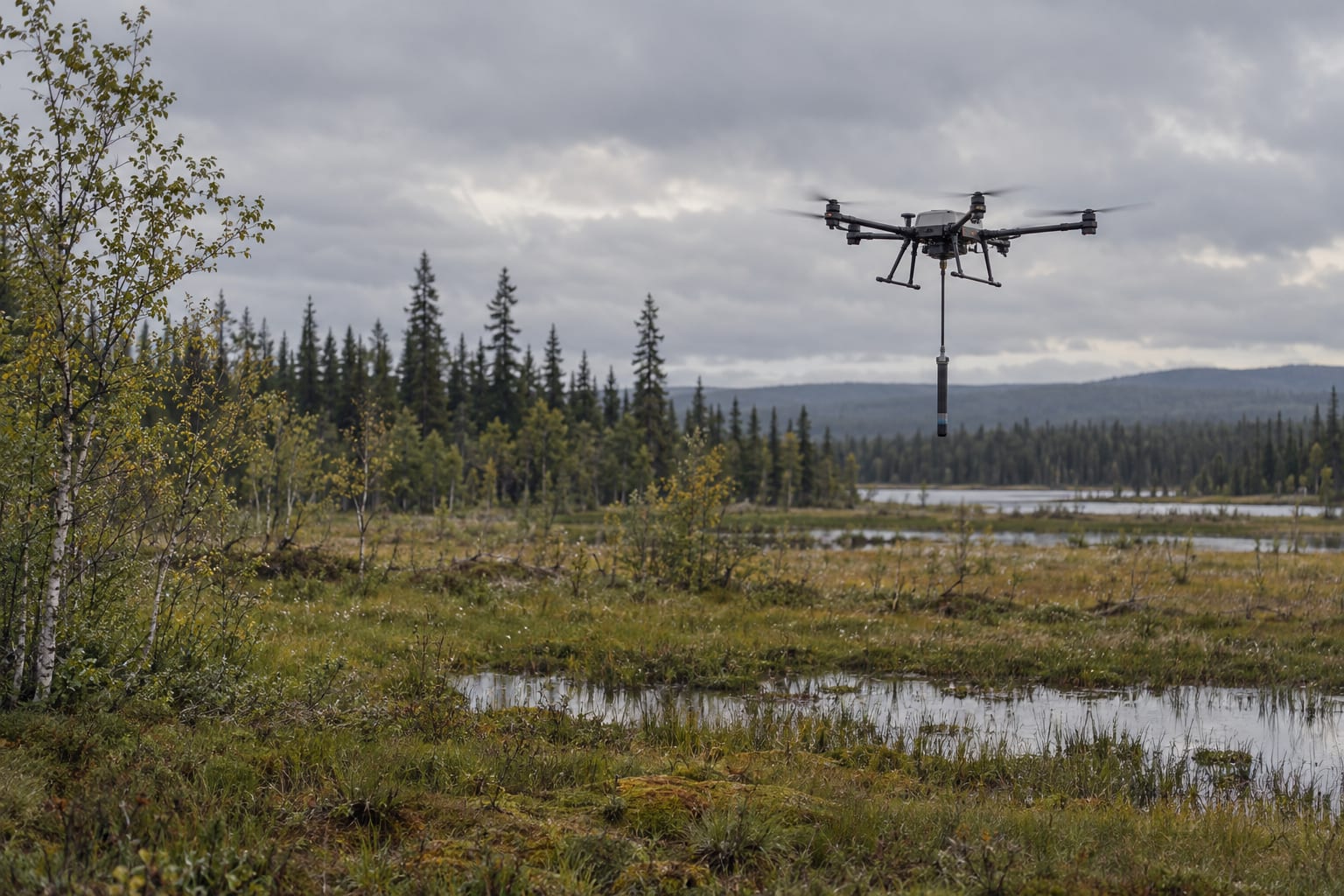
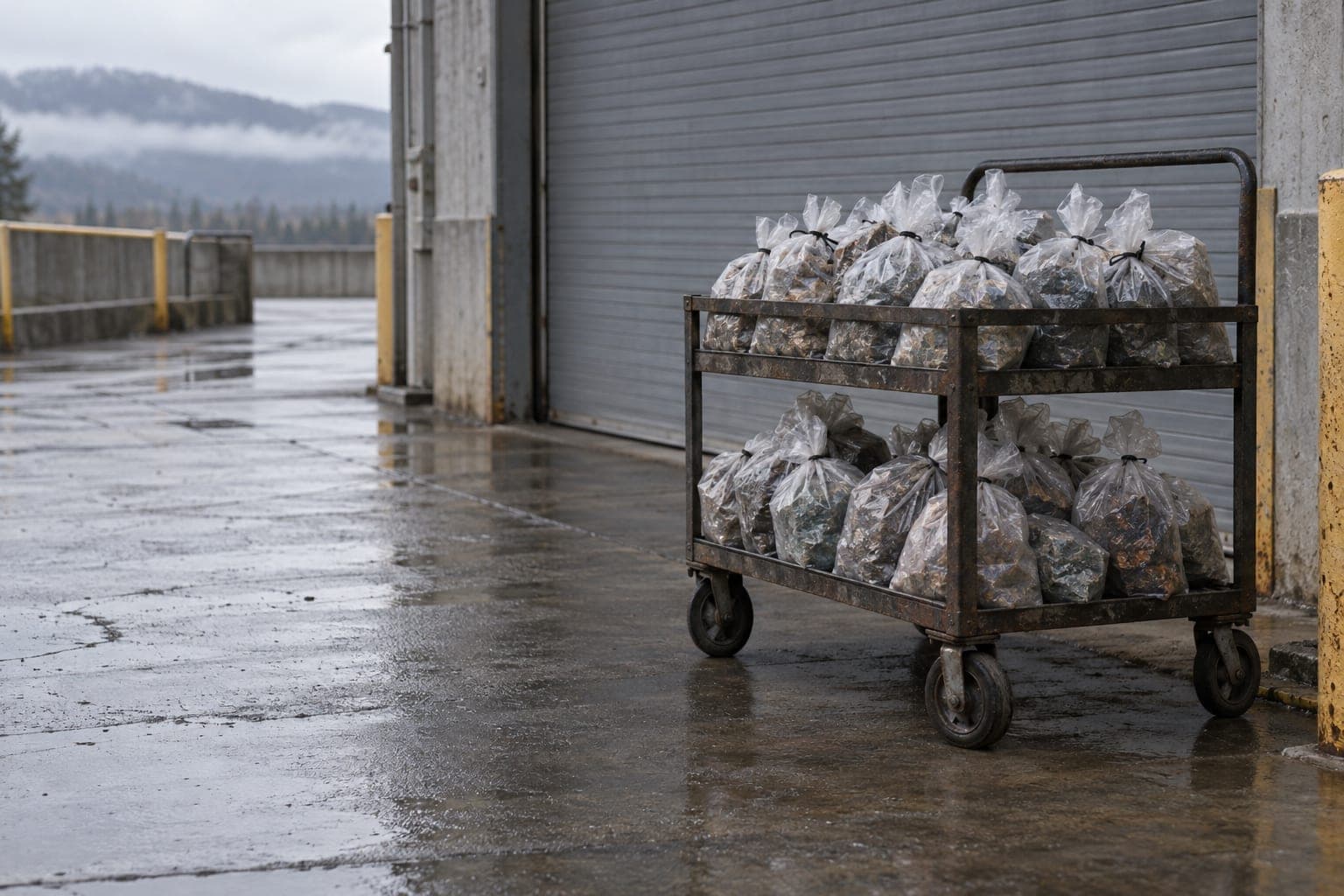
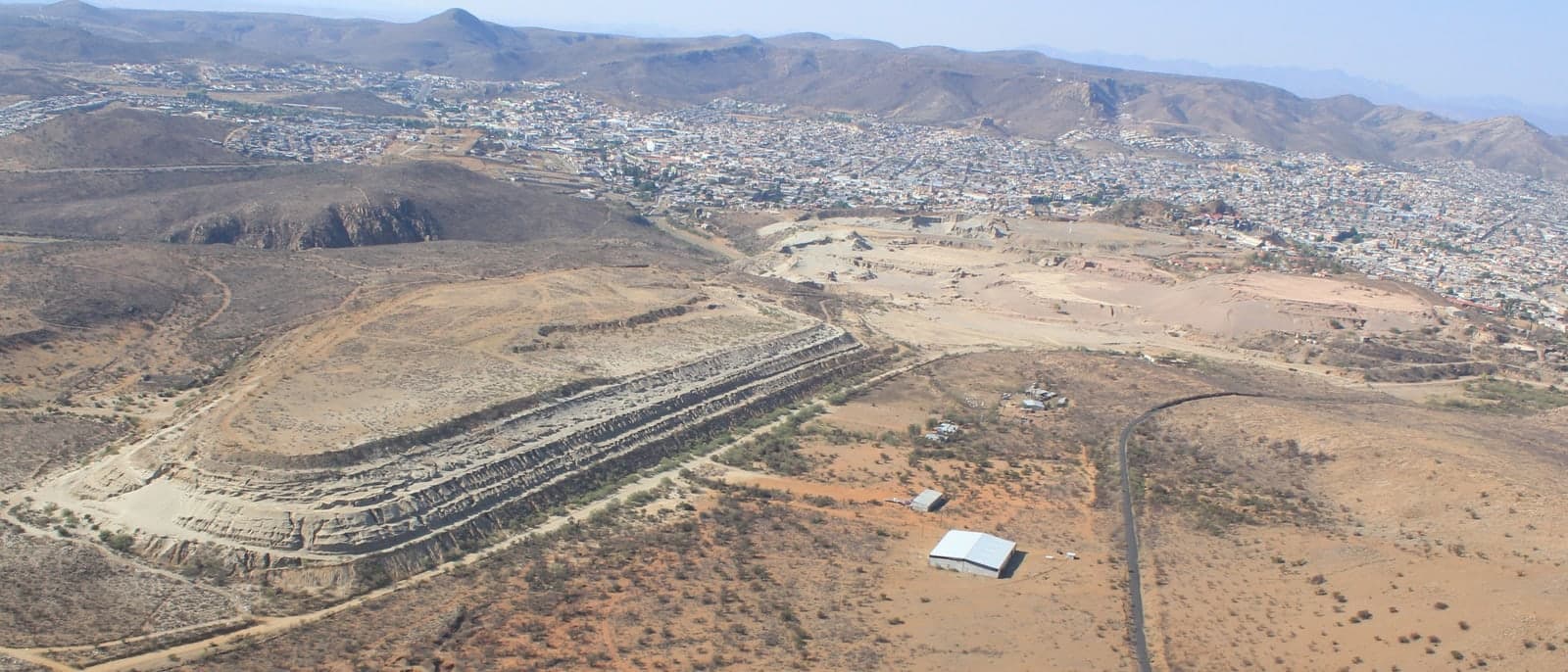
Medaro Mining Corp. CNSXMEDA OTCMKTSMEDAF FRA1ZY said on Thursday it is prioritizing two copper-gold target areas at Bastnäs in central Sweden using results from 218 surface samples. Persgruvan-Bössan accounted for seven of the 10 samples exceeding 10 per cent copper, directing follow-up toward those historic workings alongside the Stålklockan gold target.
Shares CNSXMEDA closed at C$0.27, up C$0.0050, on the Canadian Securities Exchange at 4:00 p.m. EDT on Wednesday, before Thursday's announcement.
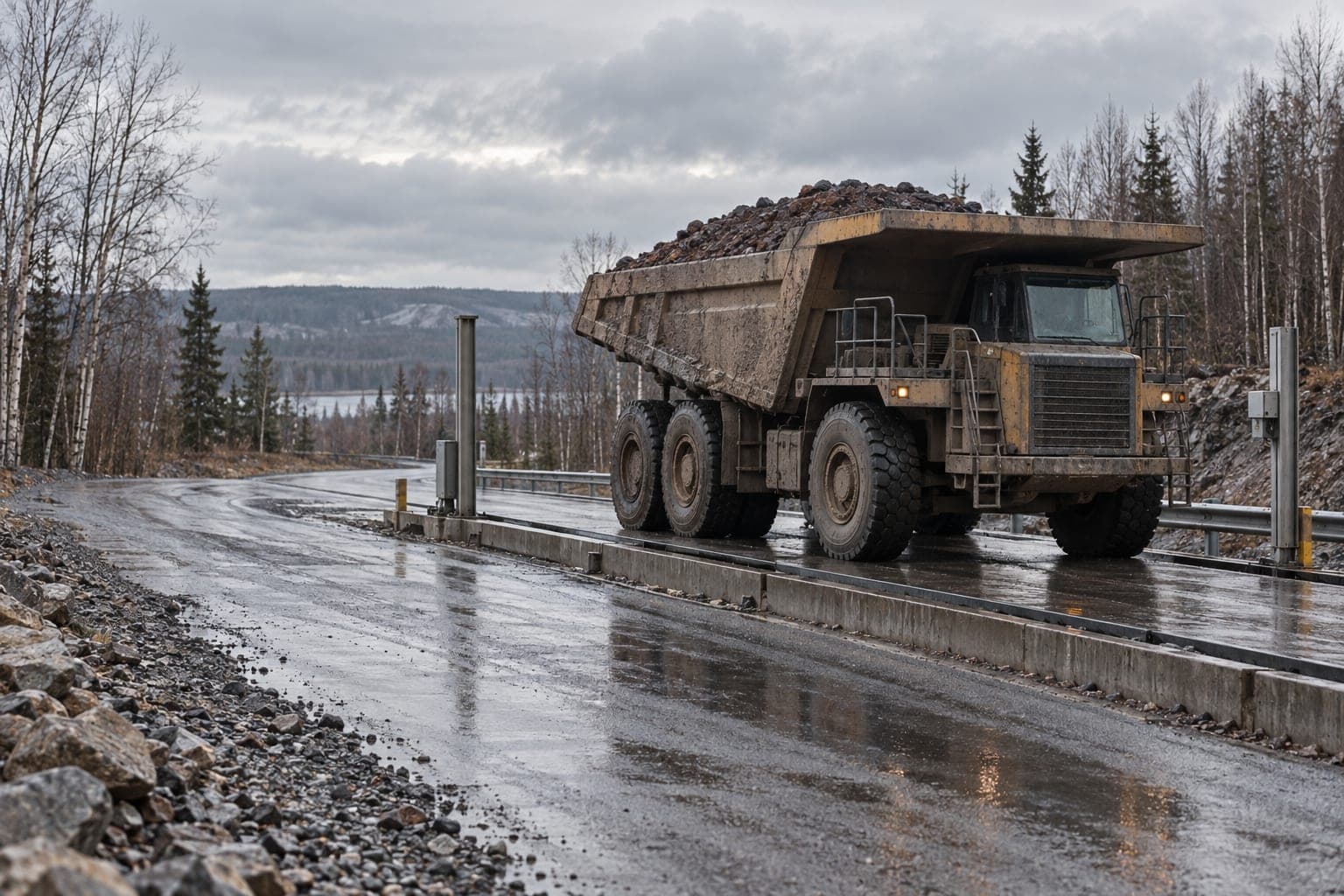
The Oct. 15 release reports no new assays: all cited results were first disclosed on Sept. 10. Every high-grade result came from selected historical waste-dump material, which does not establish the grade, width or continuity of mineralization underground.
Medaro plans to combine the surface results with its 2026 drone magnetic survey and available historical underground information before finalizing drill locations. The immediate priorities also include other historic workings where several samples returned elevated copper or gold.
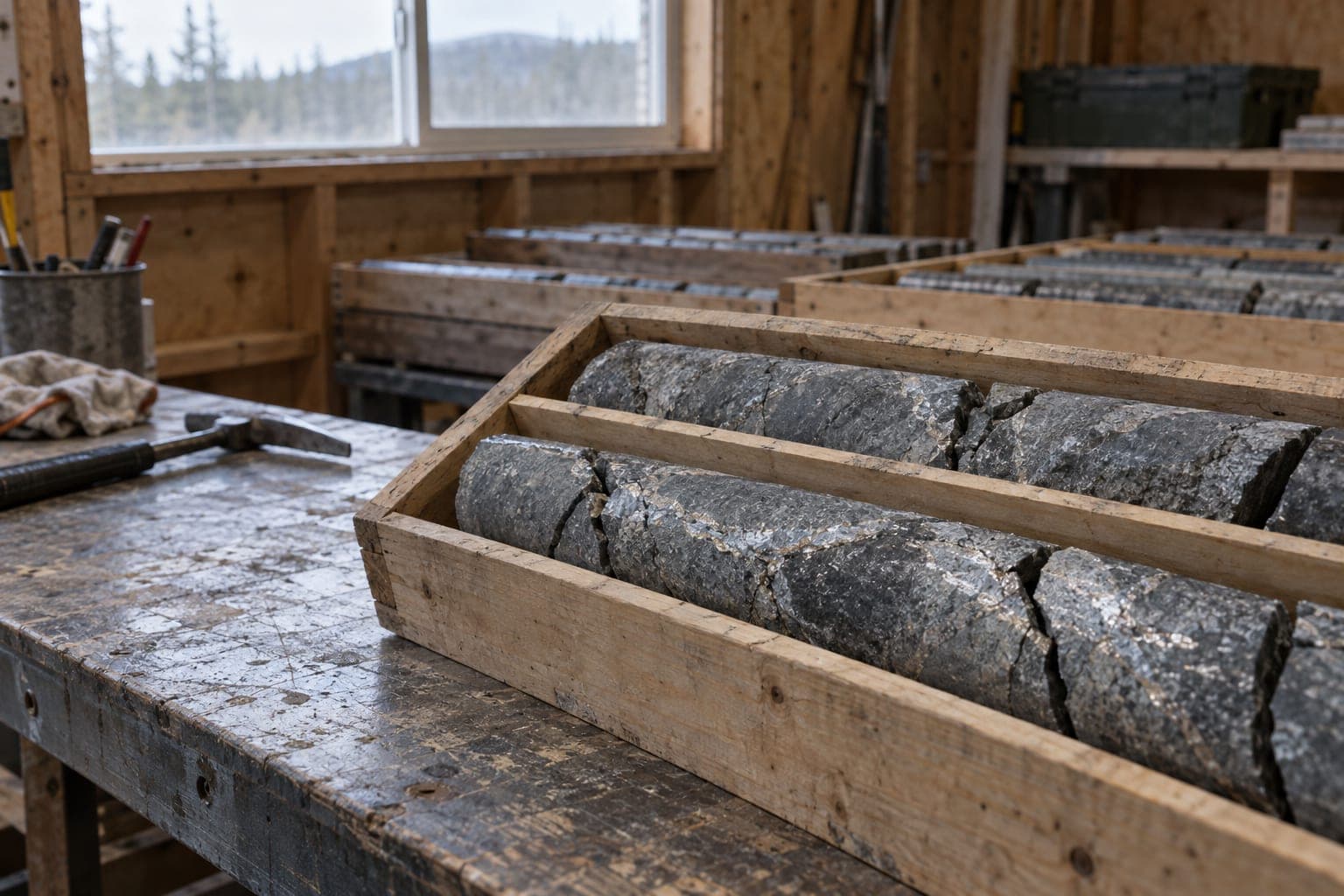
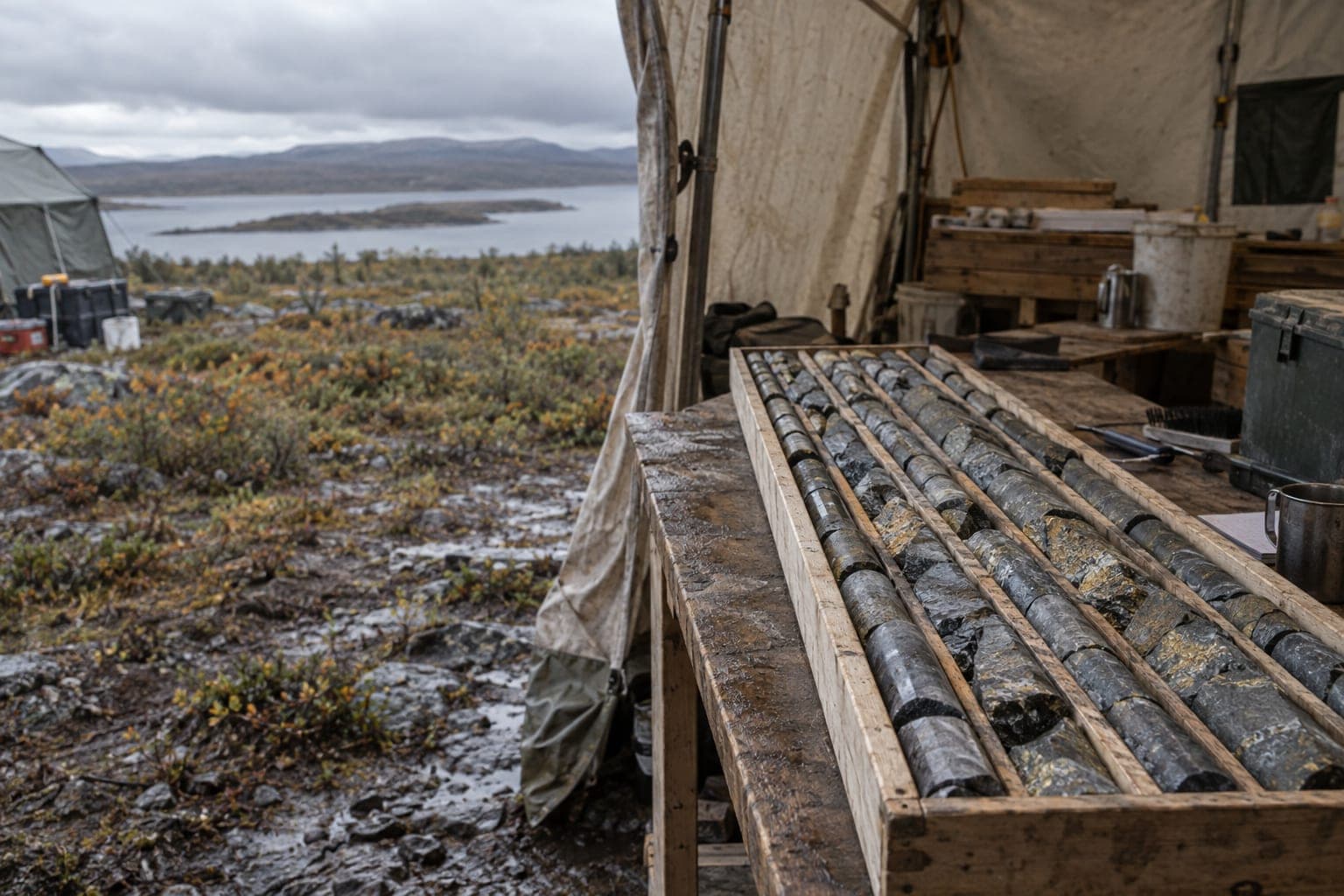
The 2026 sampling program returned 56 samples above 1.0 per cent copper, with a highest reported copper result of 23.7 per cent. Gold assays exceeded 2.0 grams per tonne in 15 samples, including two above 10.0 grams per tonne.
At Stålklockan, sample BS159 returned 16.5 grams per tonne gold alongside 3.82 per cent copper. The same skarn-sulphide waste-rock sample contained 11.68 per cent total rare earth oxides, giving Medaro a target combining gold, copper and rare earth mineralization.
The original underground source locations of the sampled waste material are unknown, so drilling would be needed to test where the mineralization originated and whether it continues below surface. Medaro also says it has been unable to verify historical drill data at Stålklockan.
"Persgruvan-Bössan contains a strong concentration of the highest-grade copper samples, while Stålklockan returned our strongest gold result together with copper and rare earth mineralization," chief executive Mark Carruthers said in the Oct. 15 release.
Medaro is a mineral explorer with projects in Ontario, Quebec and Sweden. Its Bastnäs exploration permits are held in trust, with transfer to Medaro subject to regulatory approvals, according to the Oct. 8 update.
The Oct. 8 magnetic survey update identified six principal areas of interest from combined geological, geochemical and geophysical results. The magnetic data cover the project's central section, with gaps caused by terrain, environmental and operational constraints.
The company cautioned that magnetic anomalies are indirect measurements and do not necessarily indicate economic mineralization. Geological work and drilling are needed to determine the source, grade, thickness and continuity of any mineralization.
Read more: P2 Gold identifies new gold-copper unit within Sullivan PEA pit shell
Medaro plans a second drone magnetic survey in 2027 to fill gaps in the existing coverage.