
Ontario has placed Kinross Gold Corporation‘s (TSE: K) (NYSE: KGC) Great Bear mine on a regulatory fast track, aiming to speed approvals for the proposed CAD$5 billion project near Red Lake.
Energy and Mines Minister Stephen Lecce announced the decision at NORCAT in Mississauga on Feb. 17. He said Ontario must show global investors that its regulatory system can move efficiently. The Ford government designated the combination open-pit and underground development under its One Project, One Process (1P1P) framework. Additionally, the move makes Great Bear the third project to enter the 1P1P portal since its launch last fall.
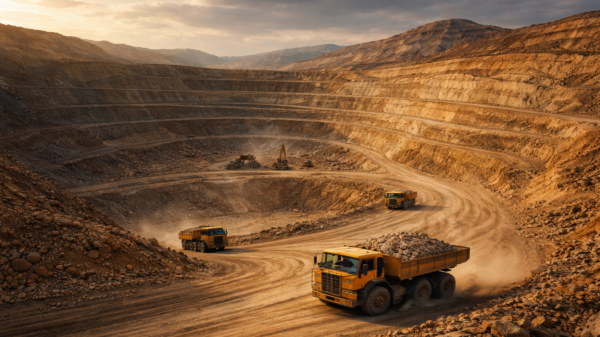
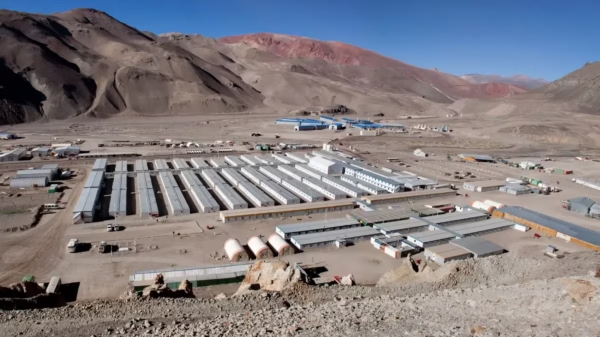
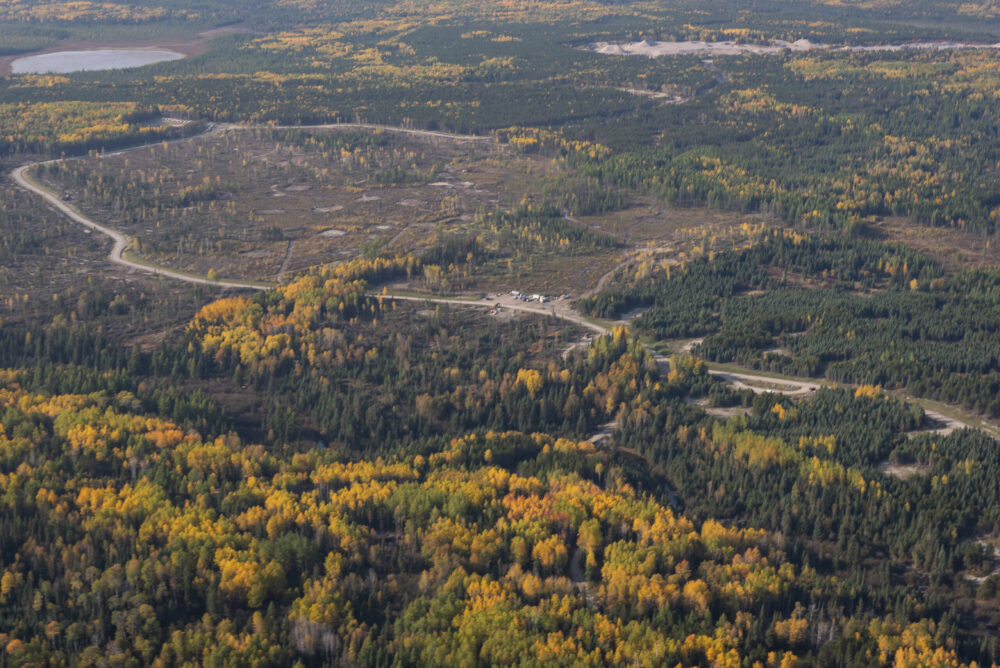
The project sits 24 kilometres southeast of Red Lake in northwestern Ontario. Furthermore, officials expect the mine to reshape the regional economy through jobs and supplier demand. Toronto-based Kinross plans to build one of Canada’s largest gold mines at the site. The company projects peak annual production of 518,000 ounces.
Over an initial 12-year life, the mine could produce more than 5 million ounces of gold. Consequently, the development ranks among the most significant gold investments in the province. The government introduced 1P1P to cut permitting timelines by 50 per cent. Additionally, the framework assigns a dedicated delivery team to manage reviews instead of splitting oversight among ministries.
Officials have long blamed a siloed approach for slowing mineral development in Ontario. Lecce said the new system improves accountability while maintaining environmental safeguards. He also noted the timing ahead of the Prospectors and Developers Association of Canada convention in Toronto. Meanwhile, the province wants to present itself as a competitive and responsive jurisdiction.
Read more: NevGold expands Bullet Zone discovery as drilling confirms oxide gold-antimony system
Read more: NevGold delivers major growth at Idaho gold project
Project could leave lasting economic mark
Great Bear follows Frontier Lithium’s PAK project and Canada Nickel’s Crawford project into the portal. Furthermore, Crawford holds federal “nation-building” status under Ottawa’s Major Projects Office.
The Crawford project, led by Canada Nickel Company Inc. (CVE: CNC), received federal fast-track treatment earlier this year. Additionally, Ottawa selected it as one of 11 priority projects. Kinross president Geoff Gold described Great Bear as a rare, high-grade opportunity for the company. He said the investment sends a clear signal about Ontario’s long-term mining prospects. Gold added that the project could leave a lasting economic mark on the region. Furthermore, he said Kinross continues to build trust-based relationships with nearby First Nations.
The company expects to employ more than 1,000 workers directly at the mine. Additionally, suppliers and contractors could create thousands of indirect jobs. Construction could begin in 2027 if permits proceed as planned. Subsequently, Kinross aims to pour first gold by 2029.
MineConnect executive director Marla Tremblay said faster approvals create certainty for mining service firms. She explained that predictable timelines encourage companies to hire, invest in equipment and seek financing. She also said steady mining activity can slow population decline in northern communities. Consequently, stronger labour demand may help keep families and businesses in the region.
Marathon Mayor Rick Dumas, who leads the Northwestern Ontario Municipal Association, called the designation a significant moment. He said it signals confidence in the region’s workforce and resource base. Dumas stressed that meaningful consultation with First Nations must remain central to development. Additionally, he said shared economic opportunities strengthen both communities and municipalities.
Read more: NevGold expands high grade antimony discovery at Nevada’s Limousine Butte Project
Read more: NevGold targets U.S. critical mineral supply chain with new antimony gold find
Ontario land Tribunal sided with First nation on consultation
However, the provincial fast track does not eliminate federal oversight.
Great Bear remains subject to a federal impact assessment led by the Impact Assessment Agency of Canada.
Ottawa determined in March 2024 that the project requires a federal review. The agency said it will assess potential effects on fish habitat, migratory birds and Indigenous communities. Provincial officials did not detail how 1P1P will align with the federal process. Meanwhile, Energy and Mines spokesperson Noah Mawji urged Ottawa to reduce duplication.
He said the provincial framework aims to accelerate projects by cutting red tape. Additionally, he called on the federal government to streamline its own reviews. Mawji said 1P1P does not override the Crown’s duty to consult Indigenous communities. He added that Kinross has engaged with First Nations partners and will continue consultations.
The project also faces a legal challenge from Grassy Narrows First Nation. The community lies about 100 kilometres south of Red Lake. Grassy Narrows argues that the mine could threaten the English-Wabigoon river system. Consequently, it has challenged certain provincial permits granted to Kinross.
Last year, the Ontario Land Tribunal sided with the First Nation on consultation concerns. The tribunal allowed the community to appeal a Permit to Take Water. Kinross withdrew that permit and reapplied for a new one. Additionally, the dispute continues to draw attention to environmental safeguards in the region.
The federal impact assessment will run alongside provincial approvals. However, neither level of government has provided a clear timeline for coordination. Ontario maintains that 1P1P will improve predictability without weakening standards. Meanwhile, industry groups argue that faster decisions can attract global capital to Canadian projects.