Codelco, Anglo American pursue dual-track approval for shared Chile copper mine
The approach seeks to accelerate permitting in Chile, where environmental reviews often move slowly
 Joseph Morton
Chile’s state-owned copper producer Codelco and Anglo American PLC LONAAL plan to file separate but nearly identical environmental studies for a shared copper mine, adopting what they describe as a novel dual-track approval strategy.
The companies aim to submit the parallel applications in December for the Andina-Los Bronces project.
Additionally, documents reviewed by Reuters show the filings would cover a single open pit jointly operated by both firms. The approach seeks to accelerate permitting in Chile, where environmental reviews often move slowly. Meanwhile, the model could help large miners expand output during a projected global copper supply shortage.
Codelco and Anglo finalized their agreement in September. Furthermore, they expect the combined project to add roughly 120,000 metric tons of copper annually between 2030 and 2051. The companies estimate the development could generate at least USD$5 billion in pre-tax value over its life.
Codelco chairman Máximo Pacheco confirmed the dual-application plan. In addition, a source familiar with Anglo American’s strategy also verified the timeline. Both parties intend to submit “mirror” applications that align environmental standards across overlapping operations.
The companies argue that Chile’s legal framework prevents a single joint filing. However, regulations require Codelco to retain full ownership of its mining concessions. As a result, each firm must apply independently, even for a shared operation.
The documents show the companies explored alternative structures. For instance, they considered filing three separate applications, including one for a joint operating entity. However, that option would have forced both firms to relinquish existing open-pit permits. Consequently, they rejected the idea to preserve regulatory continuity and operational flexibility.
Read more: Eldorado Gold completes Foran Mining acquisition, secures McIlvenna Bay copper asset
Read more: McEwen Mining seeks USD$4B to advance Argentina’s Los Azules copper project
Companies also plan upgrades to supporting infrastructure
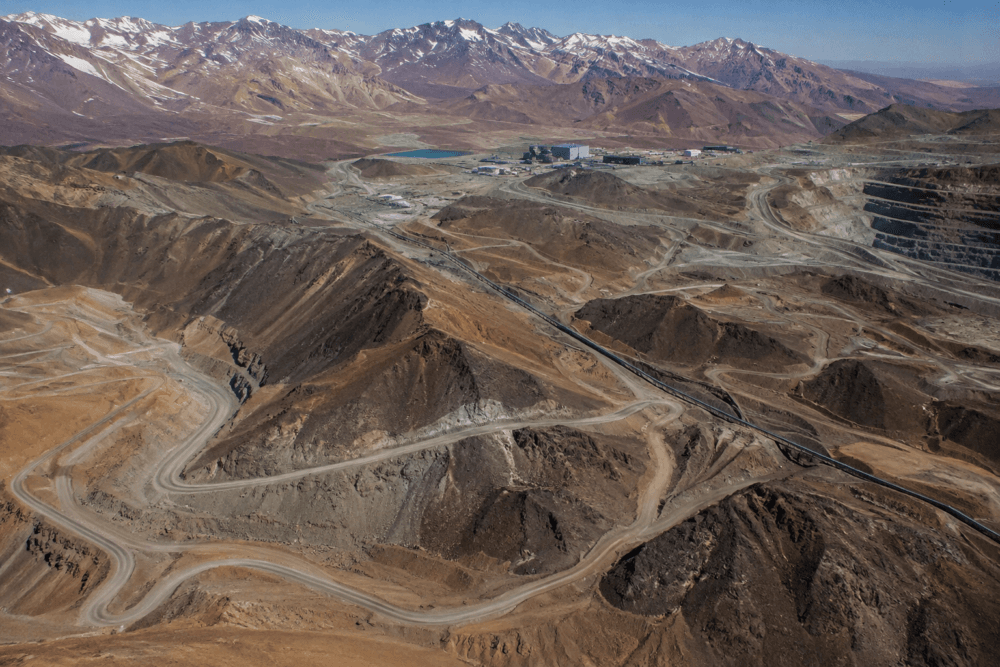
Under the current plan, the companies will create one large pit from two adjacent sites. Anglo American’s Los Bronces and Codelco’s Andina mines sit side by side in Chile’s Andes Mountains. Additionally, engineers plan to remove the rock barrier between them to form a single integrated excavation area.
The firms intend to process extracted ore at both existing facilities. Meanwhile, they will distribute waste rock to each company’s designated storage areas. This setup allows them to share infrastructure while maintaining separate operational systems.
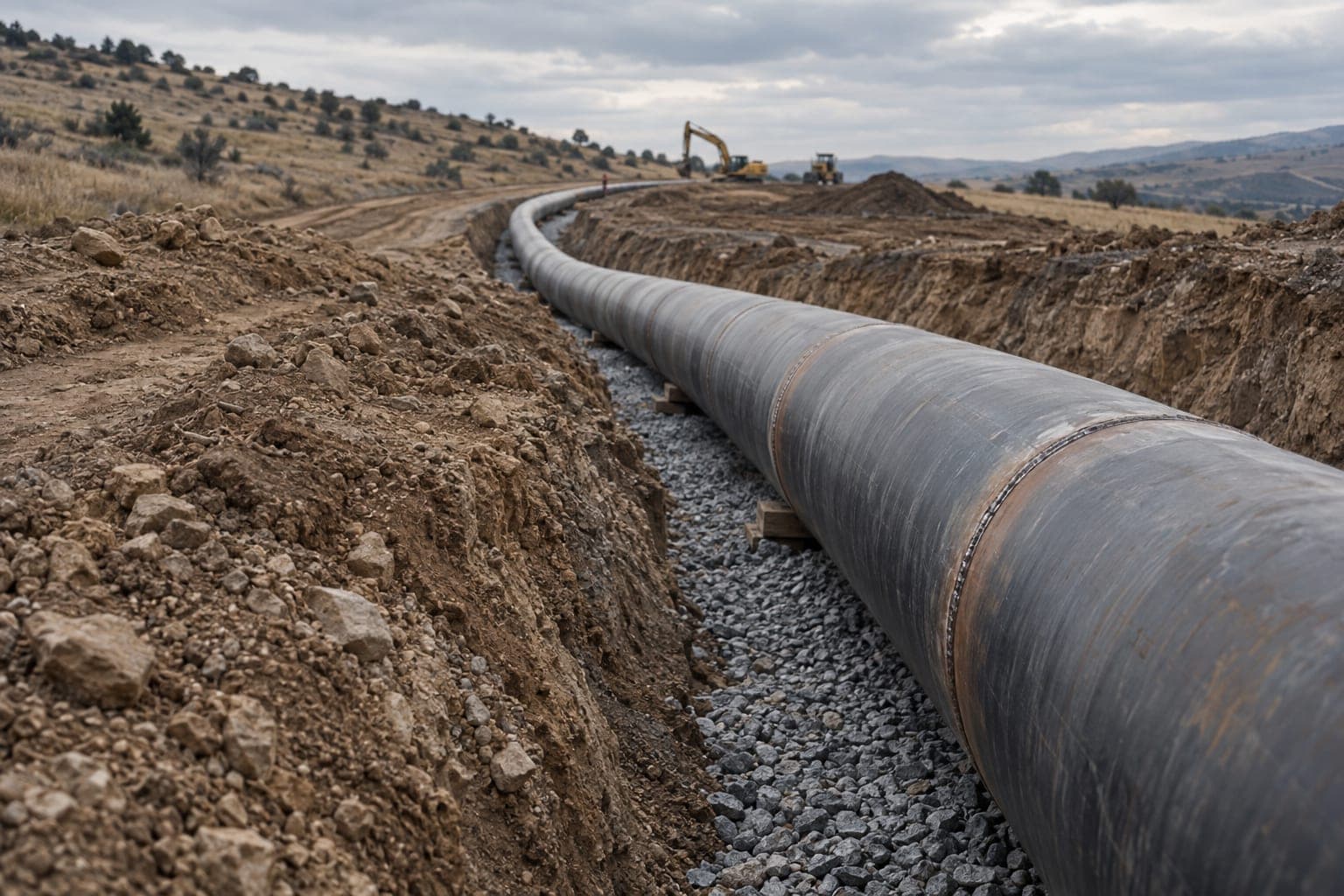
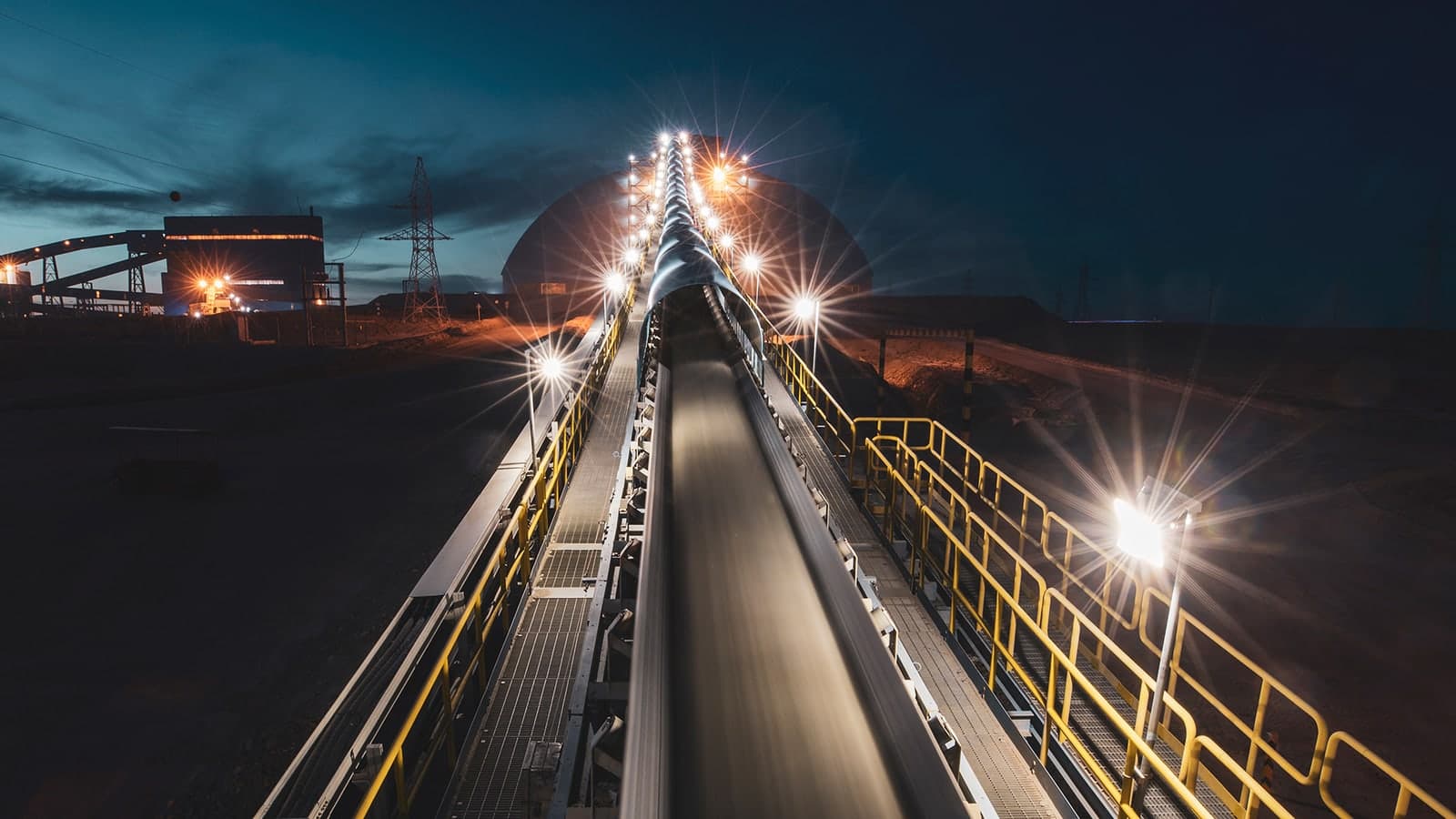
The companies also plan upgrades to supporting infrastructure. For example, they will modify waste dumps, tailings facilities, pipelines and transport systems. Furthermore, shared infrastructure could reduce freshwater use and limit environmental disruption in the region.
Executives believe the dual-track approach may streamline approvals. However, the strategy carries notable risks. Chile’s environmental review system already faces delays, and coordinating two parallel applications could strain regulators further.
The companies acknowledged the project’s high public visibility. Additionally, environmental groups and local communities may argue that two filings obscure the full scale of potential impacts. Critics have long scrutinized Los Bronces for alleged effects on air quality, water resources and nearby glaciers.
The firms contend that identical environmental measures across both filings will improve transparency. Conversely, they admit the structure could create redundant or overlapping mitigation requirements. This duplication may increase costs or complicate compliance efforts.
The dual structure also preserves long-term flexibility. For instance, each mine could revert to independent operations if conditions change. Consequently, the companies retain optionality while pursuing a shared expansion.
The documents indicate that community engagement will begin later this year. Meanwhile, both companies plan outreach efforts with local stakeholders and regulators during the second half.
.