Chile solar and wind curtailment hits record 2,680 GWh
Chile curtailed 6,084 GWh of renewable electricity during all of 2025
 Joseph Morton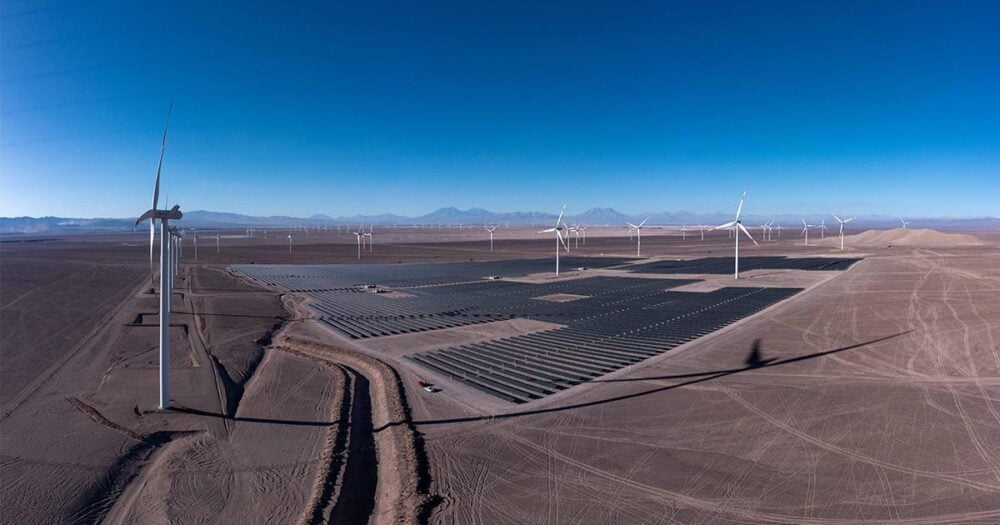
Chile curtailed a record 2,680 GWh of solar and wind power during the first seven months of 2026, renewable energy association Acera reported. The total marked the country’s highest January-to-July curtailment and rose 1.6 per cent from the same period last year.
Acera’s figures, published Thursday, draw on a July 31 operating summary from Chile’s national electricity system coordinator. The association tracks renewable generation that the grid cannot accept despite available wind and solar resources. Additionally, cumulative curtailment through July exceeded levels recorded during the same period in previous years.
Chile curtailed 6,084 GWh of renewable electricity during all of 2025, up 7.8 per cent from 2024. However, the latest total represents a record for the seven-month period rather than a full-year record. Acera estimated wind and solar could have supplied 49.4 per cent of Chile’s electricity in 2025 without curtailment. The two sources actually provided 42.4 per cent.
Acera has attributed rising curtailment partly to transmission bottlenecks and weak electricity demand during periods of strong renewable output. Additionally, the association has called for greater flexibility across Chile’s national electricity system. Northern Chile and daylight hours face particularly persistent curtailment problems.
The curtailment figures show that adding renewable generation alone cannot resolve Chile’s electricity challenges. Solar and wind farms can produce more electricity than consumers need at certain times, while transmission limitations prevent operators from moving some surplus power elsewhere.
Read more: Ballard completes £275M GeoPura hydrogen power acquisition
Read more: Nova Scotia approves largest-ever wind farm to power EverWind hydrogen project
Chile continued adding battery systems to store electricity
Consequently, energy storage could help Chile use more of its existing renewable generation rather than allowing available electricity to go unused. Battery systems can absorb surplus solar power during daylight hours and return electricity to the grid when demand increases. The country’s growing storage pipeline therefore complements its expanding wind and solar sector while addressing some causes of curtailment.
Meanwhile, the country had 2,655 MW of battery storage operating by the end of July. Those systems provided 11,250 MWh of energy storage capacity. Furthermore, developers had another 3,151 MW undergoing testing and 5,040 MW under construction.
The projects being tested represented 14,698 MWh of storage capacity. An additional 21,721 MWh was under construction. Of the battery capacity under construction, 71 per cent was connected with solar projects. Meanwhile, stand-alone storage systems accounted for another 22 per cent.
Wind and solar generated 3,058 GWh in July and supplied 38.6 per cent of Chile’s electricity during the month. Additionally, solar PV produced 1,388 GWh, representing 17.5 per cent of total generation. Wind farms also generated 1,308 GWh, or 16.5 per cent of the country’s electricity during July.