BHP Group copper output falls 19% in September quarter
Escondida, Spence and Copper South Australia produced less copper, while BHP retained its annual forecast of 1.65 million to 1.8 million tonnes.
 Mara Quinlan
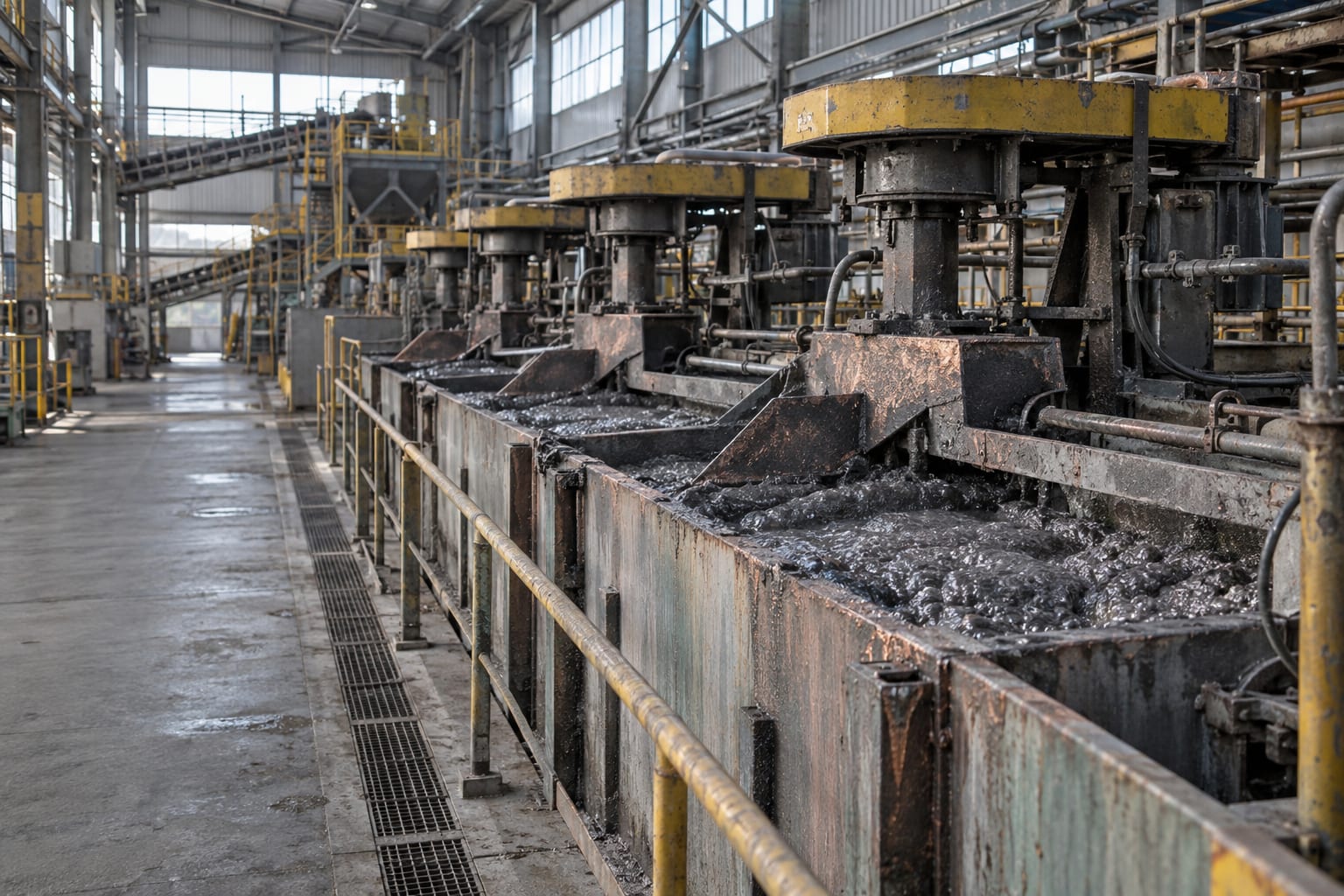
BHP Group Limited ASXBHP NYSEBHP reported on Tuesday that copper production fell 19 per cent to 401,000 tonnes in the quarter ended Sept. 30. It retained its annual copper forecast of 1.65 million to 1.8 million tonnes, leaving the production outlook unchanged despite disruptions across its operations.
Shares fell 1.59 per cent to A$59.50 on the Australian Securities Exchange at 2:54 p.m. AEDT on Tuesday, according to ASXBHP.
Escondida in Chile produced 252,600 tonnes of copper on a 100 per cent basis, down 23 per cent from the same quarter a year earlier. BHP retained the mine's annual forecast of 1 million to 1.1 million tonnes after scheduled maintenance, lower ore grades and severe weather reduced quarterly output.
Copper South Australia's production fell 16 per cent to 60,700 tonnes, primarily because of a conveyor belt failure at Carrapateena. The replacement belt became operational within seven weeks and is now running at full capacity following a progressive ramp-up through September.
"Copper production was lower in the first quarter, reflecting planned grade declines and scheduled maintenance, alongside temporary disruptions from severe weather in Chile, stops for safety and the conveyor failure at Carrapateena," chief executive Brandon Craig said in the review.
Escondida's concentrator feed grade fell to 0.81 per cent from 0.94 per cent a year earlier. BHP kept its full-year feed-grade forecast at about 0.70 per cent, while cathode production increased because of improved recoveries and sulphide leaching performance.
BHP said a fatal incident involving an employee at Escondida on Sept. 23 led to a temporary suspension of all mining activities. Severe weather in July and August also constrained logistics and truck fleet utilisation.
Spence produced 47,400 tonnes, down 15 per cent from a year earlier, as lower feed grades and difficulties managing ore variability reduced concentrate output. Its annual forecast remains 210,000 to 230,000 tonnes, with production weighted toward the second half.
Copper South Australia's annual forecast remains 290,000 to 320,000 tonnes. At Olympic Dam, BHP began building anode inventory ahead of smelter maintenance scheduled for the first half of fiscal 2028.
Antamina partly offset the declines, increasing copper production 18 per cent to 40,000 tonnes because of higher feed grades and strong operating performance. BHP retained its annual forecast of 120,000 to 140,000 tonnes for that operation.
Iron ore production rose 4 per cent to 66.5 million tonnes in the September quarter. BHP also kept its annual iron ore forecast at 260 million to 272 million tonnes.
Read more: South32 copper output rises 2 per cent but misses analyst estimates
BHP will provide further details of its Copper South Australia growth strategy at a site visit in November.