Argentina, Chile advance Andes mining projects under revived treaty
The framework could unlock more than USD$20.7 billion in investment
 Joseph Morton
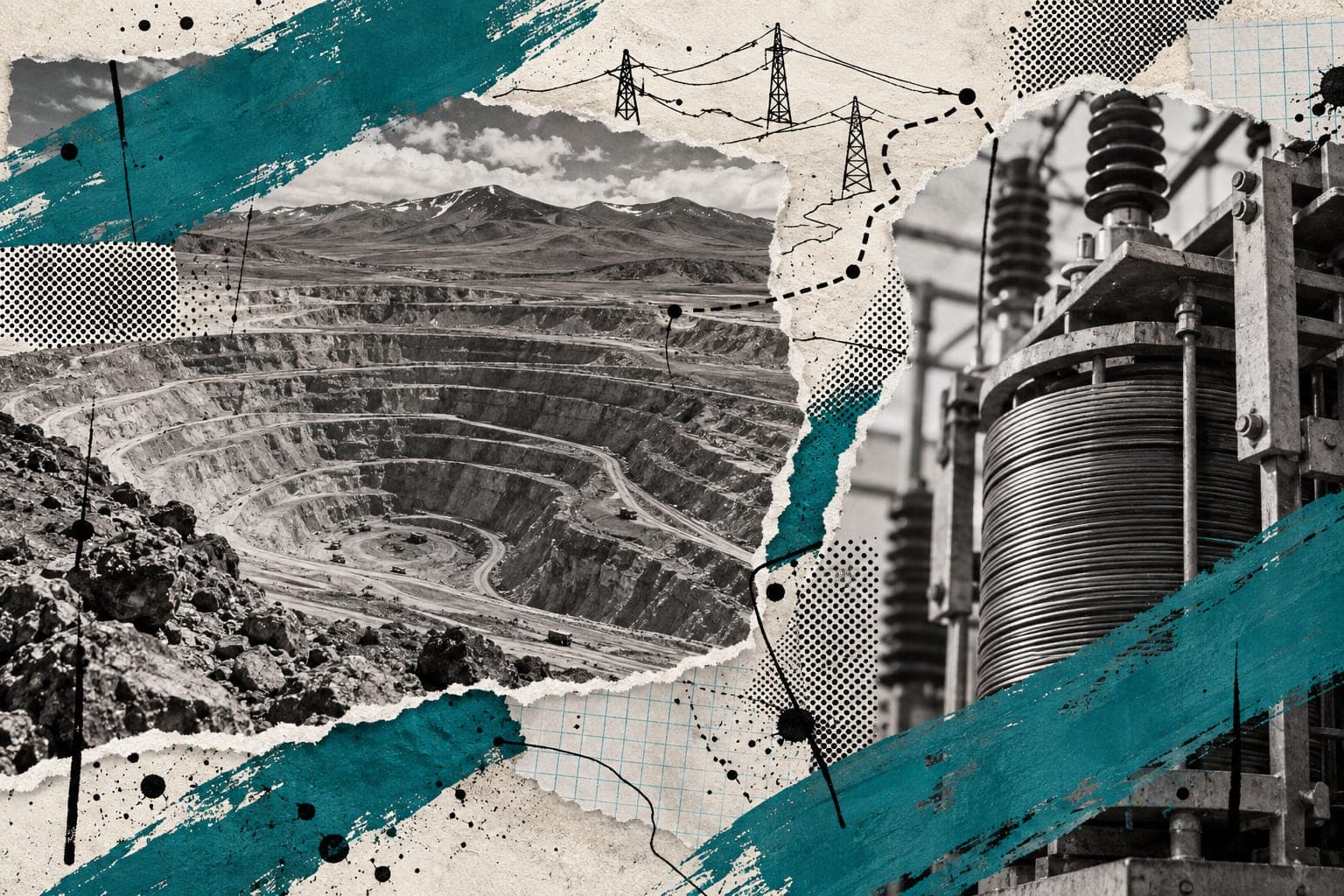
Argentina and Chile are advancing cross-border mining rules that could unlock more than USD$20.7 billion in investment across the Andes Mountains.
Officials from both countries met Thursday under the Mining Integration and Complementation Treaty, which the governments revived in July. The 1997 agreement allows mining companies to share infrastructure and resources across the Argentina-Chile border.
At the meeting, officials approved operating protocols for the Vicuña, NexoAndino and Filo Sur mining projects. Their mineral deposits straddle Argentina’s San Juan province and Chile’s Atacama region.
Additionally, the governments continued technical work on other projects that could benefit from the treaty. Chile’s Mining Ministry did not provide further details about the newly approved protocols.
The renewed effort follows decades of limited progress in developing mining projects under the agreement. However, Chilean President Jose Antonio Kast and Argentine President Javier Milei have made attracting private investment a priority.
Chile’s Mining Minister Daniel Mas said this month that the framework could unlock more than USD$20.7 billion in investment. It could also add 540,000 metric tons of annual copper production.
Meanwhile, mining companies could gain access to infrastructure on both sides of the Andes. Argentine projects near the border could potentially use Chilean roads, ports, power systems and other mining infrastructure.
That access could reduce costs and shorten transportation routes for mines located high in the Andes. Consequently, developers could bring some projects into production faster than if they built separate infrastructure in Argentina.
Chile already operates the world’s largest copper-producing industry and has extensive infrastructure serving its mines. In addition, Chilean suppliers could provide equipment and services to new Argentine operations.
Read more: NevGold Corp’s Limousine Butte drill program targets first Gold-Antimony resource estimate
Read more: GoldMining chooses to retain its NevGold shares for next 18 months
Governments have not established an implementation outline
Chile’s Mining Council head Joaquin Villarino said cross-border development would create opportunities for infrastructure owners, suppliers and service companies. He also said the framework could encourage partnerships with Argentina’s growing mining industry.
However, Chile’s Deputy Mining Minister Alvaro Gonzalez said the governments have not established a fixed implementation timeline.
Representatives from several major copper projects are scheduled to meet Friday at a mining integration seminar in Santiago. They include McEwen Copper’s Los Azules project and Glencore plc (LSE: GLEN) subsidiary El Pachón.
The Vicuña project will also participate in the discussions. Lundin Mining Corp. (TSE: LUN) and BHP Group Ltd. (ASX: BHP) (NYSE: BHP) jointly own the cross-border copper development.
Vicuña plans to use desalinated Pacific Ocean water, although it has not specified whether it would use existing Chilean infrastructure. Meanwhile, the company declined to comment on the government-level negotiations.
Los Azules currently does not plan to use desalinated water or export through Chilean ports. Nevertheless, the company remains interested in the talks because the project sits close to the border.
BHP has not said whether it plans to use infrastructure already operating in the region.
Argentina has not produced copper since the Alumbrera mine closed in 2018. However, several projects under development could return the country to significant copper production.
Analysts expect that pipeline could place Argentina among the world’s 10 largest copper producers by 2030. Together with Chile, the projects could expand regional supplies of copper needed for power grids, electric vehicles and other energy technologies.
.