
A heat-resistant metal vital to defence, aerospace and advanced manufacturing is worth a high dollar at the moment and the UK government is digging deep into its pockets to procure a suitable quantity.
The National Wealth Fund has put up to £71 million (about US$97 million) into Tungsten West PLC (LON: TUN) (FRA: 540) to restart the company’s Hemerdon tungsten and tin mine near Plymouth. The deal mixes equity and loans and gives the government first refusal on up to half the mine’s yearly tungsten output.
Shares in the London Stock Exchange-listed firm rose nearly 20 per cent on Aug. 25 as a result, hitting a four-year high. The money will pay for the final construction and processing work needed to reach full production in early 2027.
“We are living in a more dangerous world, which is why backing British industry is more important than ever before,” said Chancellor of the Exchequer (UK financial minister equivalent) John Healey. “That is what this deal does. We are tapping into one of the largest deposits of tungsten in the world, right here in the UK.”
Read more: NevGold appoints Nevada government affairs veteran Scott Bensing to board
Years of quiet rebuilding
Tungsten West took over the Hemerdon site in late 2019 after the previous operator failed. The company spent the following years redesigning the process plant and updating the feasibility study. It also put a full restoration bond in place and began repairing the roads, power supply and crushing circuits left behind by earlier owners.
By 2026 those efforts had moved from paper to the ground. Capital works advanced through the year, trial batches of concentrate left the plant, and the workforce grew past 100 people. The company now expects the mine to support around 350 direct jobs once it runs at full strength.
Those steps are important because the site already held hundreds of millions of pounds of infrastructure. Restarting an existing mine costs less and takes less time than building one from scratch, which is why the government money can push the project across the finish line relatively quickly.
Strategic metal, strategic pressure
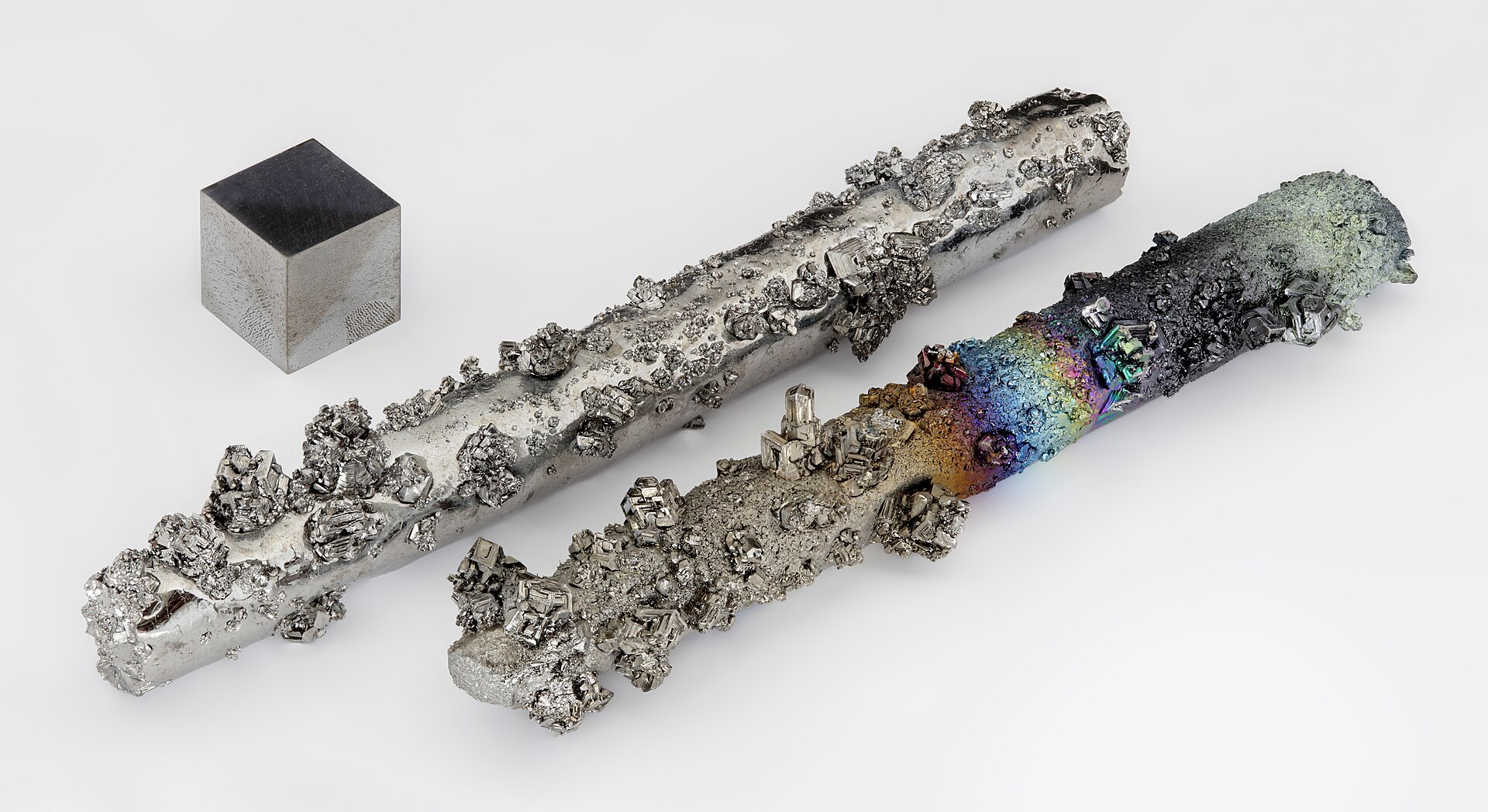
Tungsten’s extreme melting point and hardness make it essential for cutting tools, aerospace parts, semiconductors, renewable energy systems and defence equipment. Britain imports every tonne it uses, so any disruption hits manufacturing and military supply chains at once.
China still dominates global production. From early 2025 it tightened export licences on the metal and its main intermediate product, ammonium paratungstate (the white powder refined from tungsten ore before it becomes pure metal or carbide). International prices for that intermediate have since climbed approximately 550 per cent higher than a year earlier as Western buyers remain short of reliable supply.
By backing Hemerdon the government gains a domestic source at one of the largest non-Chinese deposits. Whether the offtake talks deliver the promised volumes, and whether the mine can stay competitive once Chinese controls ease or other Western projects come online, remains to be seen.
Other governments are likely to follow suit after seeing UK government taking a stake in Tungsten West.
US is probably next in line.
The question is who will they take a stake in?
And when they do, it's Tungsten bull 2.0 pic.twitter.com/vbKsaubDKq
— Teo (@Teo_Sinamin) August 25, 2026
Read more: Strategic U.S. antimony resource emerges in NevGold’s Nevada MRE
Follow Rowan Dunne on LinkedIn
rowan@mugglehead.com