
An innovative new drone is getting rid of pesky bugs by colliding with them at high speed.
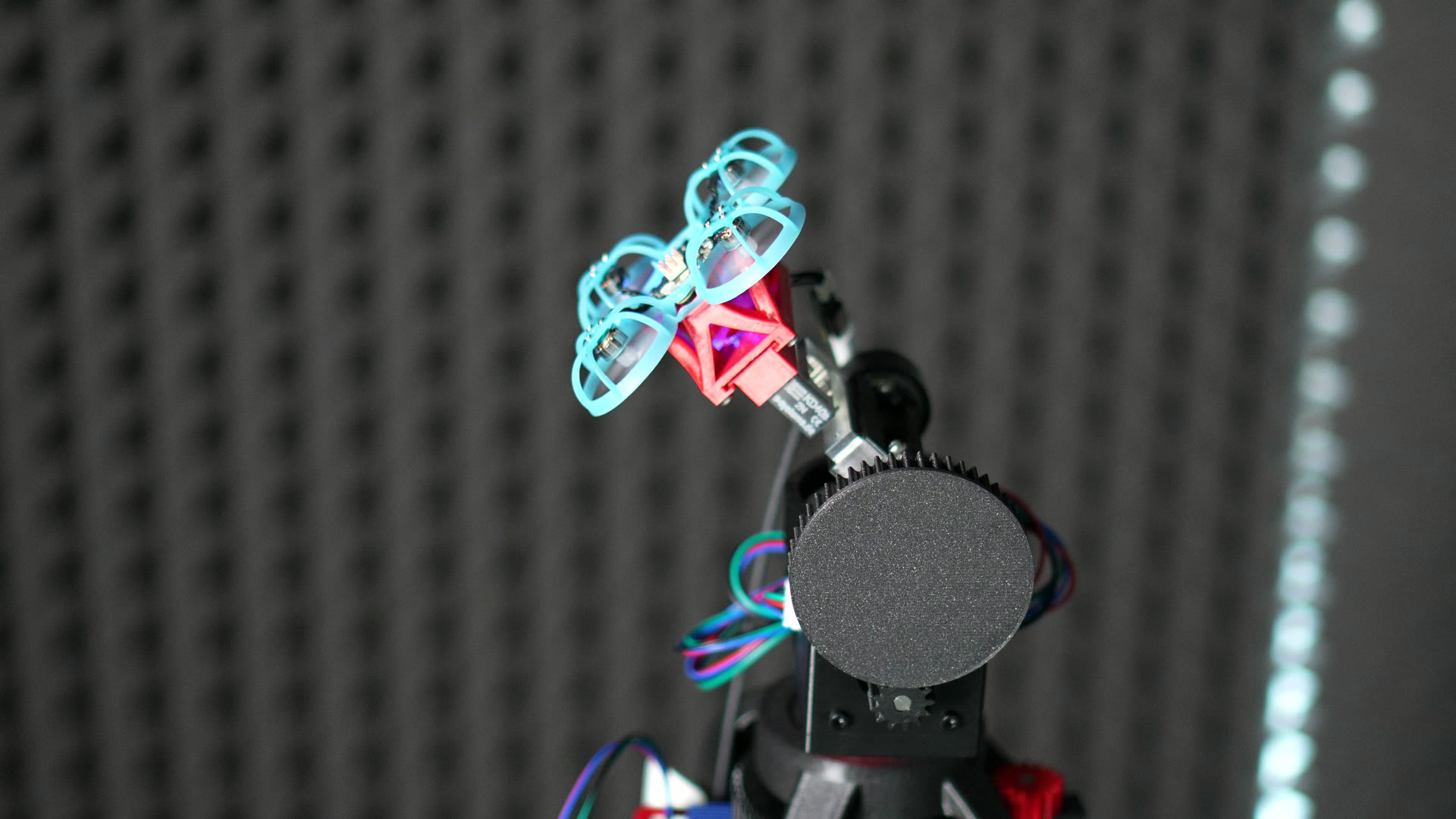
French startup Tornyol grabbed headlines this week after it released video of its small autonomous drone chasing down and striking a moth in a controlled test. Successful use of the palm-sized machine in this trial, which weighs just 40 grams, marks an early win for the Paris-based company as it works toward its bold goal of wiping out mosquitoes without chemicals.
The two French founders, Alex Toussaint and Clovis Piedallu, built the drone with simple parts. It sends out sound pulses and listens to the echoes that bounce back from flying insects. Software analyses the unique pattern made by wingbeats to spot and track targets. The drone then flies straight at the insect and knocks it out of the air. A base station lets it patrol an area, return to recharge, and head out again around the clock.
Tornyol aims to cut the cost of mosquito control by up to 100 times — an ambitious objective. The team believes a small group of these drones could sufficiently clear mosquitoes from the airspace throughout 1 square kilometre. Their long-term vision focuses on homes, gardens and eventually larger urban zones to fight diseases that kill hundreds of thousands of people each year.
Influential venture capital firm Y Combinator currently backs the startup. Early versions could reach users as soon as 2027.
Engineers at Tornyol say their autonomous micro-drone has achieved its first successful mid-air kill, taking down a moth during a test flight, a milestone that could pave the way for swarms of miniature drones designed to track, hunt and eliminate disease-carrying mosquitoes.…
— Massimo (@Rainmaker1973) July 16, 2026
Read more: Bizarre airborne thing in Pentagon’s new UFO files clearest yet
Doubts surround the young technology
Critics question whether the idea will work in the real world. The recent test used a moth, not a mosquito, and relied on some help in a lab setting.
Some point out that the drone has yet to prove it can reliably catch and kill the much smaller, faster mosquitoes that spread illness. Skeptics wonder if the system will handle wind, rain, multiple targets or busy outdoor spaces as well as it performs indoors.
“While a ‘100 per cent chemical-free’ physical intercept sounds elegant on paper, the sheer energy cost per kill makes it an incredibly heavy-handed solution compared to passive mesh screens or low-power UV traps,” commented an American aerospace and defence account manager. “Brilliant engineering, but a tough sell on practical efficiency.”
Mosquitoes still kill far too many
Mosquitoes rank among the deadliest animals on Earth. They spread malaria, which caused around 610,000 deaths in 2024, mostly among young children in Africa.
Dengue cases have also hit a record high in recent years, with over 14 million reported in 2024 and thousands of deaths. These illnesses hit hardest in tropical cities where people live close together and water collects in containers. They impact the elderly and those with other health conditions the worst, leading to death in many instances.
Current methods include insecticide sprays, bed nets and vaccines that are now rolling out in some areas. These tools save lives but face problems such as rising resistance in mosquitoes and high ongoing costs.
Tornyol’s approach stands out because it targets adult mosquitoes on the wing instead of relying on chemicals or waiting for bites. It could one day complement these efforts by offering local protection without harming other insects.
Tornyol (@tornyolsystems) is building micro-drones that kill mosquitoes.
They use smartphone microphones, car park assist sensors, and some clever DSP and control to transform 40-gram toy drones into mosquito killers. pic.twitter.com/SBqWueq7h7
— Y Combinator (@ycombinator) November 7, 2025
Read more: Robotic hand maker Tesollo initiates IPO proceedings
Follow Rowan Dunne on LinkedIn
rowan@mugglehead.com