
Demand for antimony in the United States keeps climbing with only a select number of home-grown companies stepping up to meet it. This small group is working hard to reduce heavy dependence on uncertain foreign supplies.
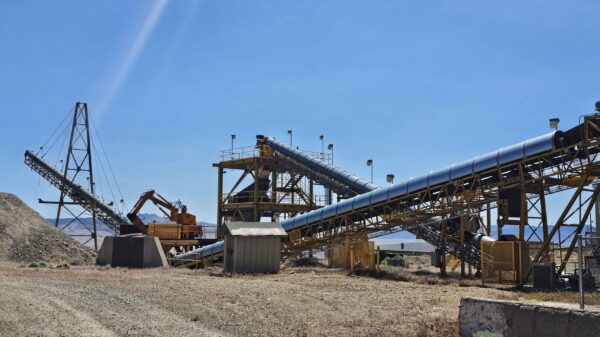
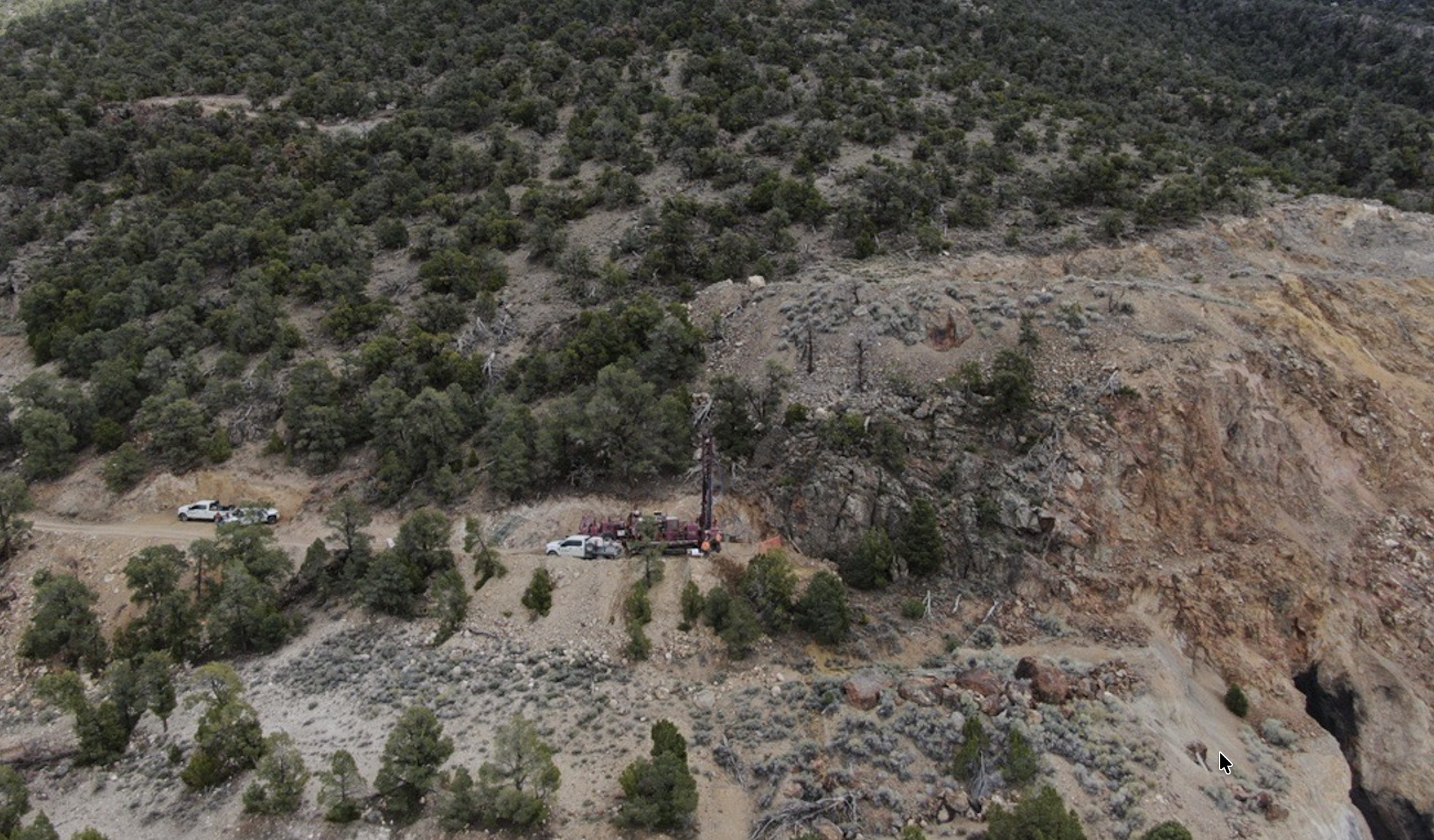
NevGold Corp (CVE: NAU) (OTCMKTS: NAUFF) (FRA: 5E50) is one such junior miner in the industry. On Jul. 15, the mining firm released its first resource estimate at the Limousine Butte antimony-gold project in Nevada. The company outlined 29,600 tonnes of antimony in the measured and indicated categories at 0.26 per cent, plus 48,100 tonnes inferred at 0.18 per cent. At current North American antimony prices of roughly US$50 per kilogram, the total antimony resource carries an in-situ value approaching US$3.9 billion — well above NevGold’s ~C$350 million market cap.
NevGold also reported 181,400 ounces of gold measured and indicated, and over 1.2 million ounces inferred. All of it, including the antimony, is in oxide form that is convenient to process. Most international antimony projects are sulphide, a key differentiating factor.
“Having oxide antimony allows us to leach the antimony, which is the most simple and cost effective way of producing the metal,” said chief executive Brandon Bonifacio in June.
This estimate marks a big step forward. It de-risks the brownfield site, which already saw past gold mining and antimony work before low pricing led to temporary stagnancy. NevGold’s team has spent years reviewing old drill data, mapping the ground and running new tests. They drilled many holes in 2025 to confirm the geology and prove up the antimony alongside the gold. The project now shows clear potential for near-term antimony output.
“We have the potential to advance to a near-term antimony production scenario from the already mined material on surface,” said Bonifacio in a press release, “while we systematically advance the other deposits including Resurrection Ridge, Cadillac Valley, and the Northern Zones.”
NevGold’s stock barely moved from the news. However, it stays up strongly year-to-date, with gains near 98 per cent after a remarkable 330 per cent rise during 2025.
The Nevada-focused firm’s progress could help ease worries in Washington. Officials are continually seeking steady domestic sources of antimony to support national security.
“New 2026 drill results focused on expanding the current MRE will be released shortly as assays are received from the lab,” Bonfiacio added.
Read more: NevGold Corp. reports antimony grades up to 53.7 per cent at Nevada project
Officials pushed to scour the globe
Washington has been turning to partners abroad because China, the world’s top producer, sends very little antimony to the United States. Export limits have tightened the market and pushed prices higher.
Secretary of State Marco Rubio recently met Tajikistan’s foreign minister. They discussed trade deals that could open reliable antimony flows from the second-largest global producer. The U.S. government is also backing the revival of a brownfield antimony mine in North Macedonia with funding for studies and feasibility work.
Closer to home, officials work with United States Antimony Corp (NYSE: UAMY). The company is processing imported material from places such as Chad, Bolivia and Mexico to help rebuild the national stockpile and produce ingots. It has received millions in government support to expand refining along with major contracts.
Amid this activity, efforts continue at projects like Perpetua Resources Corp‘s (TSE: PPTA) (NASDAQ: PPTA) Stibnite operation in Idaho, NevGold’s promising asset in Nevada, and others such as the Estelle project in Alaska.
Antimony’s role in defence
The critical metalloid strengthens military gear in many ways. Producers add it to ammunition to harden lead bullets and improve performance. It appears in night-vision goggles, infrared sensors, flame retardants for equipment, and vehicles. Certain alloys get used in missiles and electronics too.
Stockpiles are growing more important now. The uncertain conflict in Iran and broader global tensions raise risks to supply lines. Reliable antimony sources at home and from trusted allies can help keep defence production steady when international flows are disrupted.
Companies like Perpetua and NevGold show how local projects can play a real role in closing the gap. Production is ideally expected to commence at Limo Butte within the next year and a half while Stibnite will not start that phase until around 2029.
“We simply have the fastest path to antimony production compared to other projects,” Bonifacio stated in an interview last month.
Read more: NevGold launches 20,000-metre drill campaign at Nevada antimony-gold project
NevGold is a sponsor of Mugglehead news coverage
Follow Rowan Dunne on LinkedIn
rowan@mugglehead.com