U.S. government funds brownfield antimony mine revival in North Macedonia
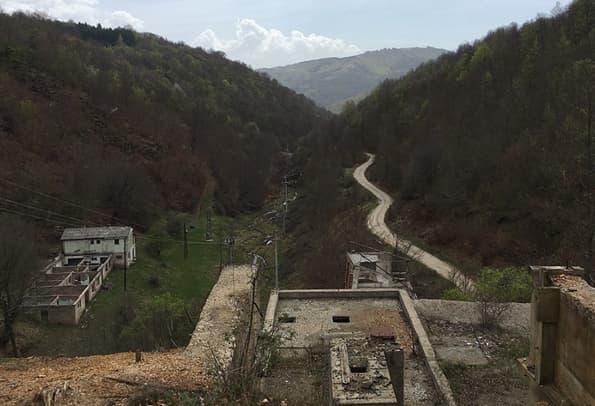
Krstov Dol operated intermittently between 1962 to 1988
 Rowan Dunne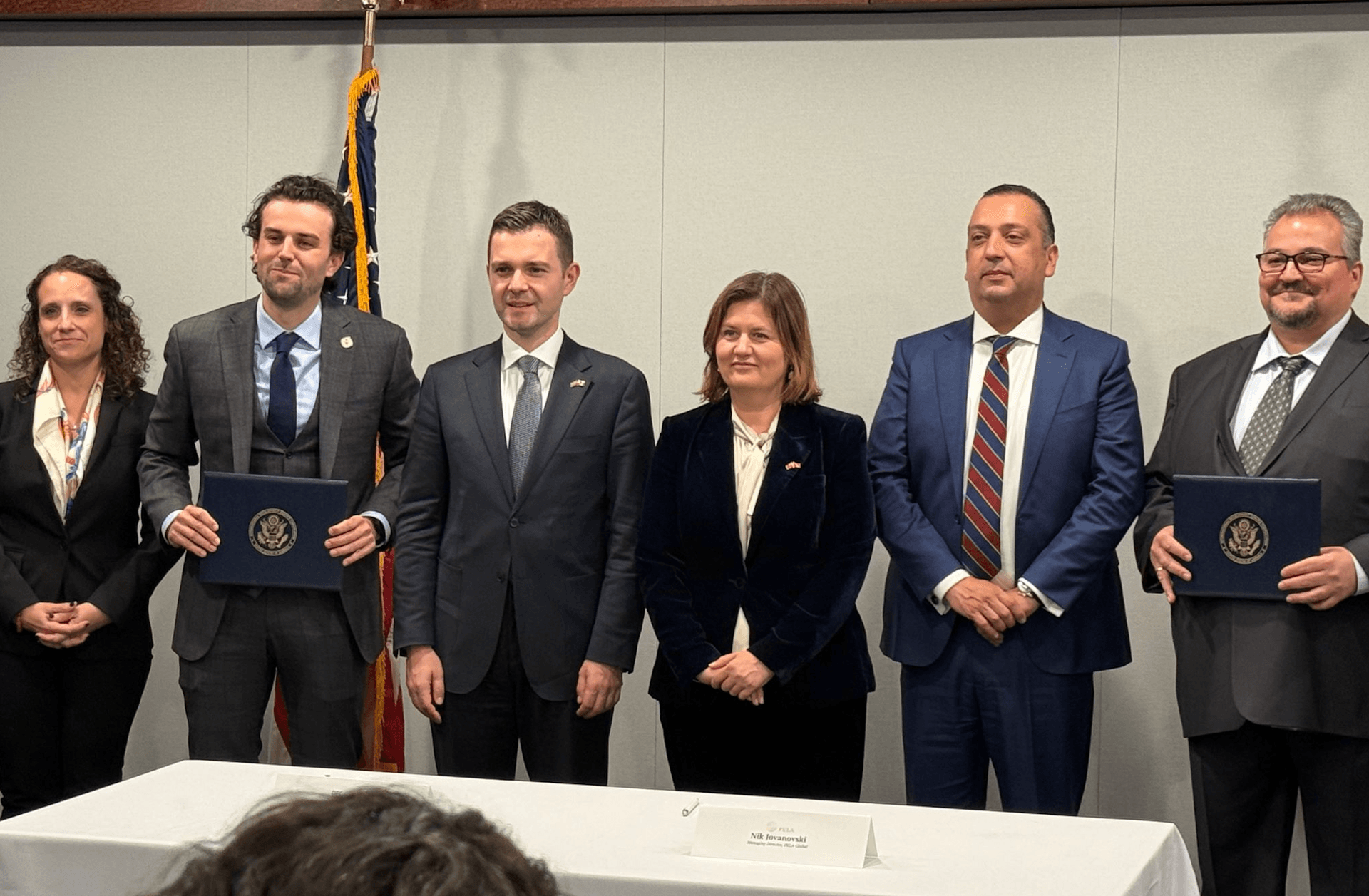
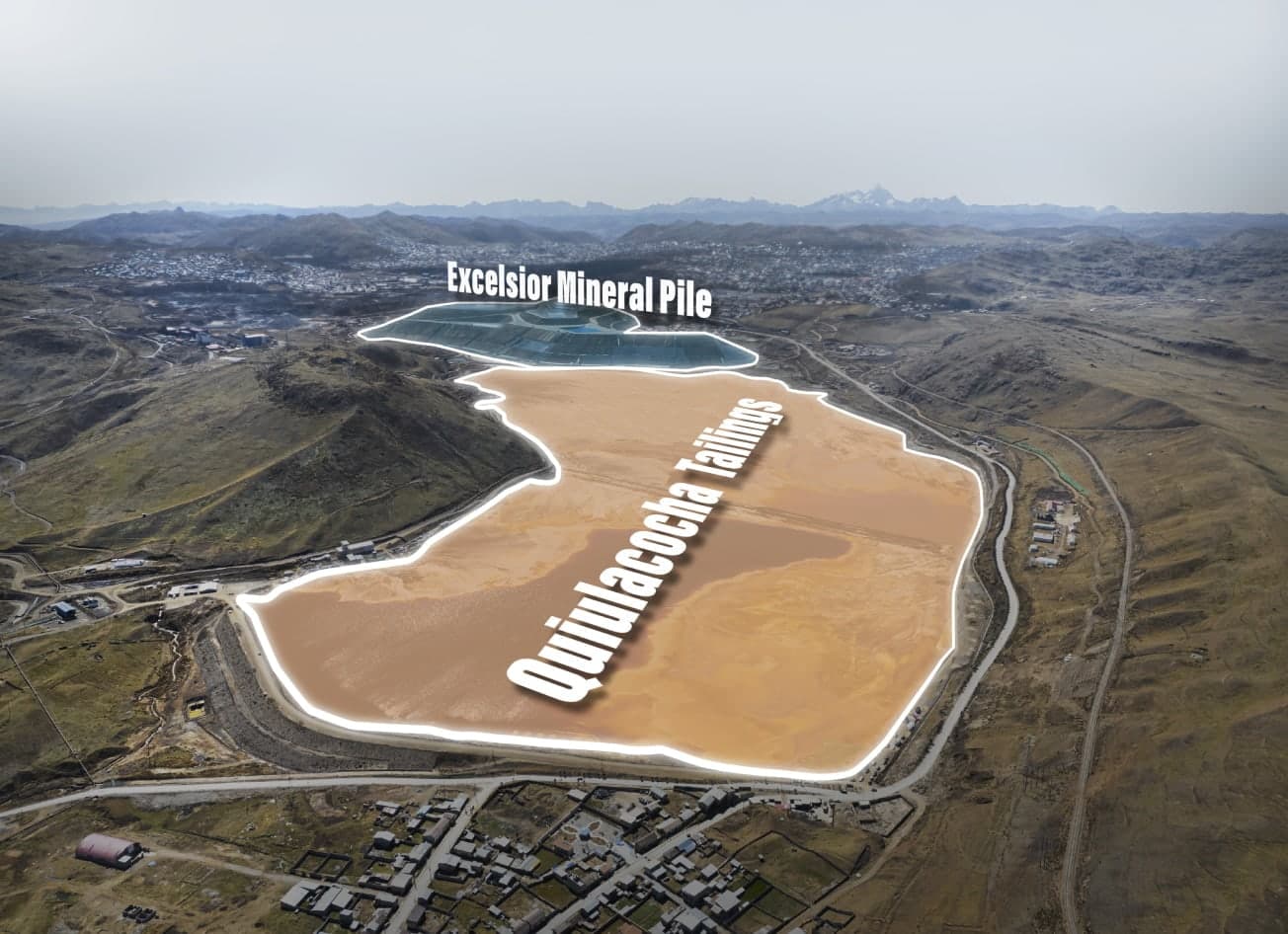
The U.S. International Development Finance Corporation signed a project development agreement with Pela Global Limited on Apr. 7 to revive the dormant Krstov Dol antimony mine in North Macedonia. The federal government agency is providing up to US$5 million.
This funding advances technical studies, resource estimates and feasibility work on the brownfield site, positioning the project as a near-term supplier of the critical mineral for U.S. and allied markets.
Officials describe the deal as DFC’s first antimony investment and its first project in the country, aimed squarely at reducing reliance on Chinese supply chains amid export restrictions and rising geopolitical tensions.
Pela Global operates as an Australian company focused on mining and renewable energy projects across southeastern Europe. It holds the Luke concession in North Macedonia where Krstov Dol sits along with a gold prospect. The firm plans to list on an Australian securities exchange through an initial public offering as early as July 2026, using the capital to accelerate development and meet international environmental standards.
Read more: NevGold positions Nevada project for near-term antimony output
Antimony’s long shadow in North Macedonia
Mining activity involving this critical metalloid in the country traces its roots to the Ottoman period, when miners at the Allchar deposit extracted the metal alongside arsenic and thallium for centuries.
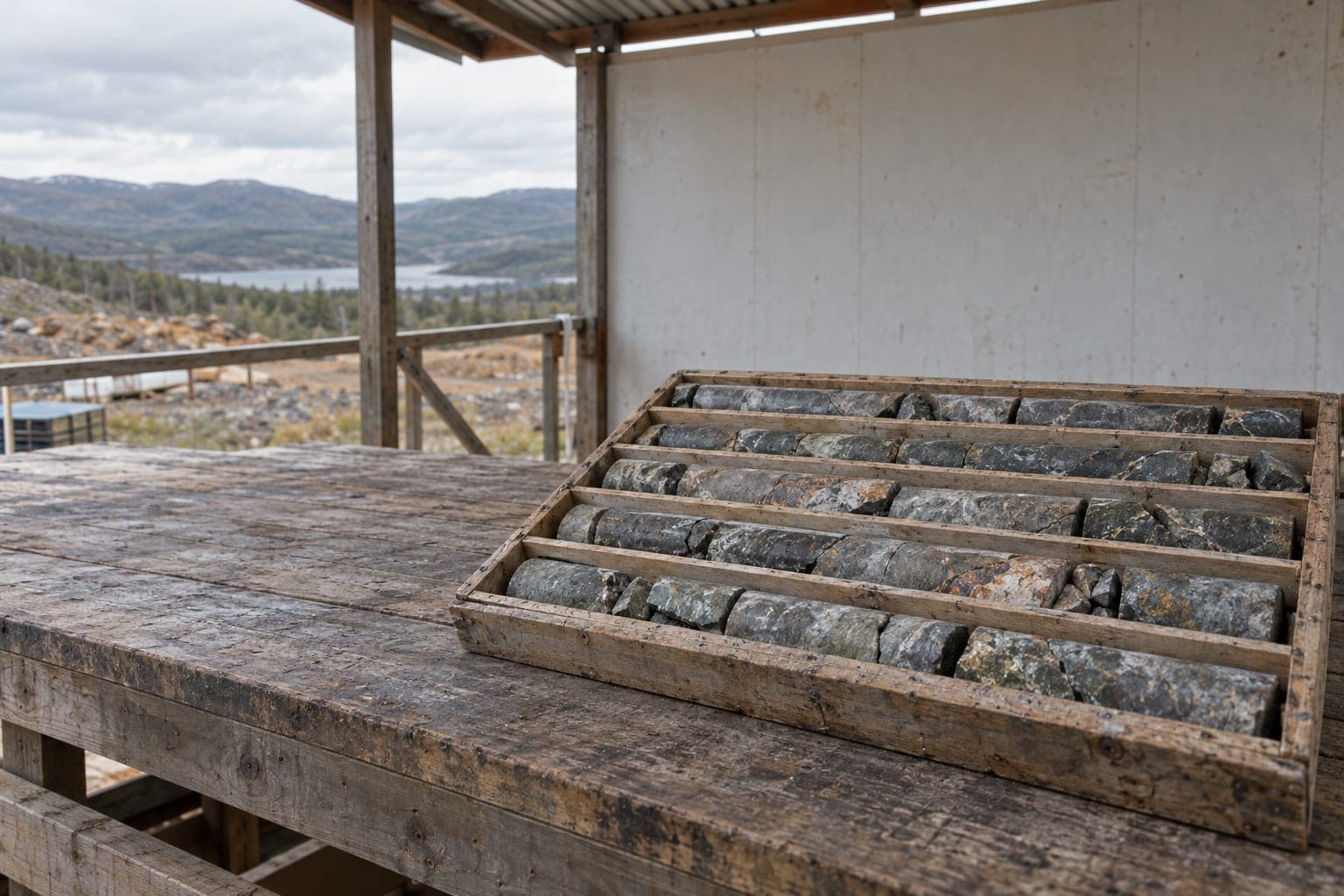
Industrial-scale activity surged in the 20th century at sites such as Lojane and Krstov Dol, where underground operations pulled stibnite ore until the late 1970s. Production at Krstov Dol itself ran intermittently from the 1960s into the 1980s before the government shuttered the mine in 1981.
Decades of low global prices rendered these operations uneconomic, leaving infrastructure intact but idle. Today, however, antimony trades at up to US$52 per kilogram in North America, buoyed by strong demand and constrained supply.
The price surged dramatically in recent years, more than quadrupling from early 2024 levels and hitting a peak above US$90 per kilogram in mid-2025. It has since pulled back, but continues to trade at historically elevated levels compared to the low-price era that shuttered many mines.
Washington doubles down on domestic and allied antimony
The United States now treats antimony as a strategic priority and backs it with serious money. These moves build a full domestic supply chain for flame retardants, batteries, semiconductors and defence technologies.
The government funnels Defense Production Act funds into Perpetua Resources Corp‘s TSEPPTA NASDAQPPTA Stibnite project in Idaho and recently awarded United States Antimony Corp NYSEUAMY US$27 million to expand refining in Montana while launching extraction in Alaska. Moreover, Nova Minerals secured US$43 million to fast-track military-grade antimony output from its Alaskan assets.
In Nevada, NevGold Corp CVENAU OTCMKTSNAUFF FRA5E50 has been adding fresh momentum with recent drill results delivering high-grade antimony intercepts right at surface. The junior is currently racing toward its first antimony-gold resource estimate at the Limousine Butte project.
Together, the investments highlight a shift toward securing allied production abroad, rebuilding capacity at home and lessening China’s dominance as much as possible.
Read more: NevGold reports over 93 per cent gold recovery after antimony processing at Limousine Butte
NevGold is a sponsor of Mugglehead news coverage
Follow Rowan Dunne on LinkedIn
rowan@mugglehead.com