
AI is steadily transforming oncology by spotting patterns in vast data that humans might miss, speeding up diagnoses and personalising treatments in ways once unimaginable.
Now, Scottish scientists have delivered a breakthrough that could slash waiting times for key lung cancer insights from weeks to minutes. Researchers at the University of Edinburgh and NHS Lothian developed an AI-assisted technique that predicts epidermal growth factor receptor (EGFR) gene mutations directly from untreated tissue samples. The team published its findings in the journal Cancer Research on Jul. 13.
Previously, doctors had to treat the biopsy tissue with special chemicals or send it for gene sequencing tests that often use up or damage the small sample. This new method works straight on the fresh, untouched piece of tissue instead. Subsequently identifying these mutations more quickly with this method can guide doctors toward targeted therapies that work far better than standard chemotherapy for many patients.
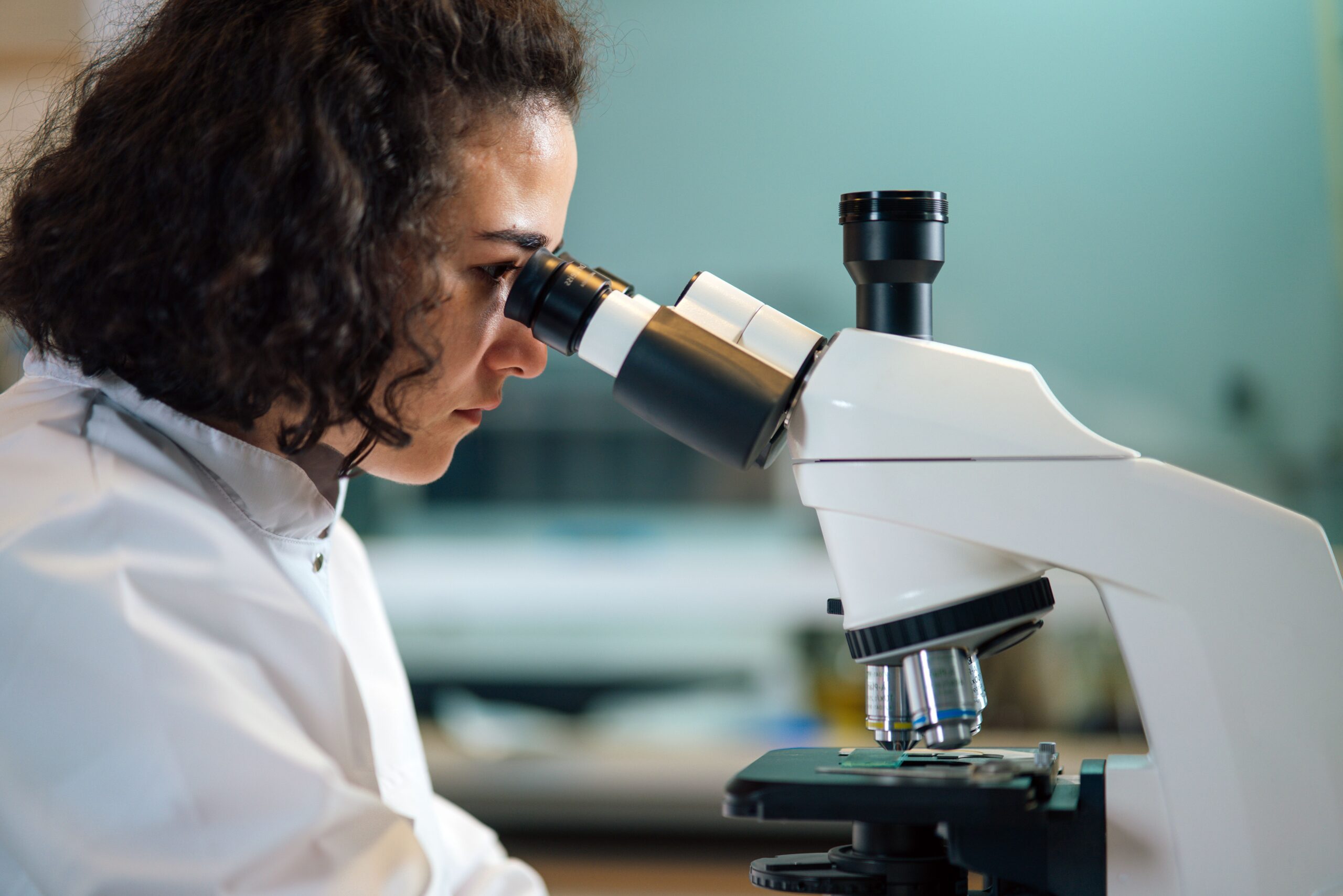
The approach uses what’s called fluorescence lifetime imaging microscopy (FLIM). It captures natural light signals that tissues emit when illuminated. An AI model then analyses these signals for subtle patterns linked to the mutations.
In testing, the technique achieved very high accuracy. It not only detects the presence of EGFR mutations but also distinguishes between the two most common types that influence specific drug choices. Unlike traditional gene sequencing, which consumes valuable biopsy material and comes with a high price tag, this label-free scan preserves the tissue intact for other tests and operates far more cheaply and quickly.
“This is a significant step towards a future where a single, non-destructive fluorescence scan of a biopsy could quickly inform clinicians whether a patient has cancer, what type of cancer they have and now, with this work, if it is likely to respond to targeted treatment,” said study co-lead Ahsan Akram, “helping to ensure the right treatment reaches the right patient more quickly.”
Read more: Breath Diagnostics advances pre-op pneumonia screening with FDA breakthrough designation
Building on Decades of Edinburgh Expertise
This advance extends a long tradition of cancer research at the University of Edinburgh.
Scientists there have explored lung cancer diagnostics for decades, with other recent FLIM studies showing the technique reliably separates cancerous from non-cancerous tissue and major non-small cell lung cancer subtypes.
Earlier work established FLIM as a real-time biopsy guidance tool, and the current study adds mutation prediction without wrecking samples. These steps turn a promising imaging method into a practical clinical asset.
Wider lung cancer medtech momentum ramps up
This innovation arrives alongside other promising technologies that make lung cancer care faster and less invasive.
Guardant Health Inc‘s (NASDAQ: GH) (FRA: 5GH) Guardant360 CDx blood test, for instance, detects multiple lung cancer mutations through a simple liquid biopsy.
On the emerging breath testing front, Breath Diagnostics’ OneBreath system analyses volatile organic compounds with the help of AI to spot early-stage disease. This technology has not been widely deployed in clinical settings, but shows great promise.
Moreover, companies like BioMark Diagnostics Inc (OTCMKTS: BMKDF) (CNSX: BUX) (FRA: 2OB) and bioAffinity Technologies Inc (NASDAQ: BIAF) have developed urine-based screenings that offer convenient, non-invasive options for early detection. bioAffinity’s is more advanced and widely deployed.
Read more: Prestigious medtech intelligence firm recognizes Breath Diagnostics for innovation
Follow Rowan Dunne on LinkedIn
rowan@mugglehead.com