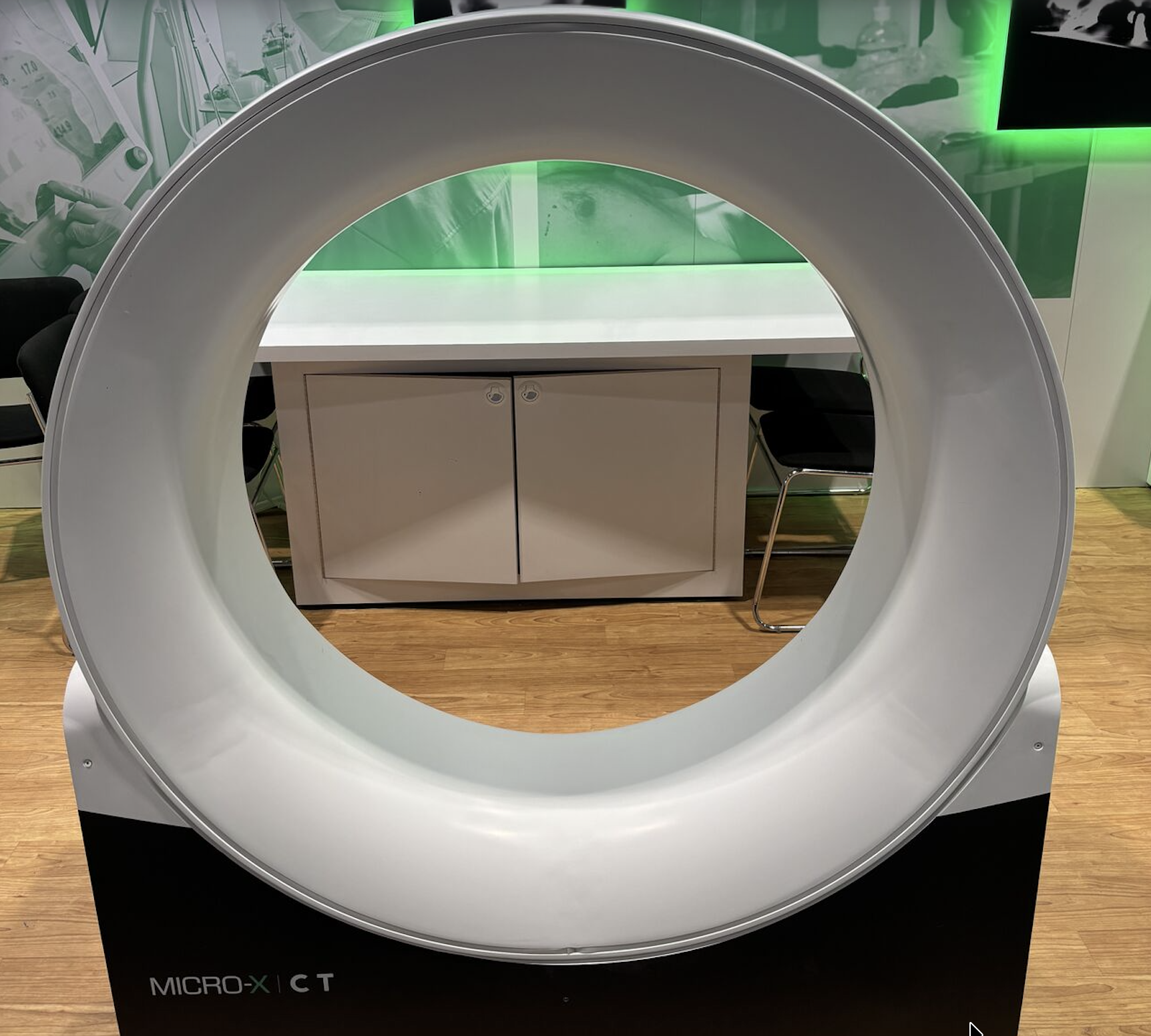

Lung cancer screening technologies are advancing rapidly, shrinking bulky machines into tools that could reach patients sooner and save more lives.
In this dynamic field, Micro-X Ltd (OTCMKTS: MCRXF) (ASX: MX1) has launched a research partnership with the University of Sydney. The collaboration assesses the company’s Nano Electronic X-ray (NEX) technology for potential miniaturised lung CT applications.
Funding valued at AUD$1.9 million will be provided to the company and school through the Australian government-backed Critical Technologies Challenge Program. Micro-X is supplying its existing imaging hardware, high-voltage components and technical expertise from its Head CT programme.
The 18-month project will build a laboratory test system that uses several fixed NEX X-ray tubes. Researchers will study the best ways to arrange the tubes, measure the X-rays, and combine everything into a working scanner to spot lung cancer. This work builds on earlier tests that already proved a stationary NEX CT system can work.
The main goal is to create a smaller, lighter and cheaper scanner than today’s big hospital machines. This would make lung cancer screening easier to roll out, especially as more countries launch programmes for people at high risk.
Academic institution is well-versed with lung cancer studies
The University of Sydney has a strong history in lung cancer research and care. Its Image X Institute currently leads the VITaL clinical trial. This study explores whether special CT ventilation imaging can protect healthy lung tissue during radiation therapy and help patients enjoy a better quality of life.
Micro-X recorded a net loss of about AUD$13.9 million for the full fiscal year ending in June of 2025, with revenue of roughly AUD$13 million. The company continues to invest in its technology while moving its products closer to commercial use.
Micro-X is currently developing a mobile head CT scanner for use in ambulances to quickly image stroke patients. It uses the same technology being assessed in the new study. The medtech creator also builds X-ray systems for security screening. It manufactures its products in Adelaide and maintains a base in Seattle, Washington.
Read more: Breath Diagnostics advances pre-op pneumonia screening with FDA breakthrough designation
Miniaturisation attracts other innovators
Micro-X does not act alone in shrinking lung cancer screening technology.
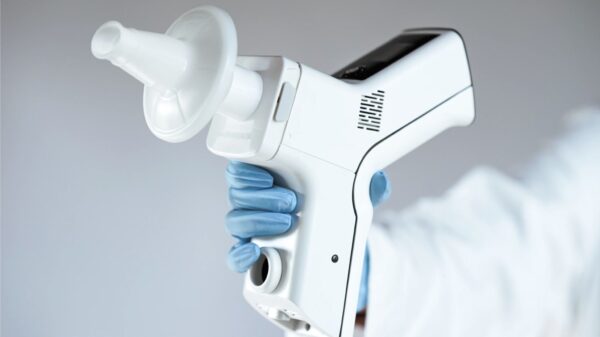
Minnesota’s Vocxi Health and Forj Medical successfully miniaturised Vocxi’s MyBreathPrint device into a handheld tool the size of a deck of cards. They overcame electrical noise and humidity issues, secured joint patents, and produced an initial run of 500 units. The device analyses volatile organic compounds in breath with nano-sensors and AI for rapid, non-invasive results.
Breath testing continues to intrigue healthcare professionals for its potential in widespread, accessible, radiation-free and convenient screening.
Breath Diagnostics’ OneBreath system also stands out in this medical technology niche. It examines a single exhale via a microreactor and lab analysis, achieving strong sensitivity and specificity in studies. In addition to lung cancer diagnostics applications, OneBreath recently gained FDA Breakthrough Device Designation for pre-operative pneumonia risk assessment.
As CT scanners become mobile and breath analyses yield quick results, the diagnostic bottleneck that once delayed prompt treatment is finally beginning to clear.
Read more: Prestigious medtech intelligence firm recognizes Breath Diagnostics for innovation
Follow Rowan Dunne on LinkedIn
rowan@mugglehead.com