
The next frontier for AI infrastructure lies far above our heads where enhanced solar power could solve the energy crunch strangling data centres on Earth.
Solidion Technology, Inc (NASDAQ: STI) (FRA: 52N0) just unveiled a battery system built specifically for that harsh environment. On Jun. 4, the company announced its Generation Extreme-Climate Battery (Gen-ECB) platform. It is designed to power satellites, low Earth orbit AI data centres, spacecraft and future lunar operations.
News of this breakthrough sent shares of the small Nasdaq-listed firm soaring more than 300 per cent in a single session, closing around US$22.71 after starting near US$5.00.
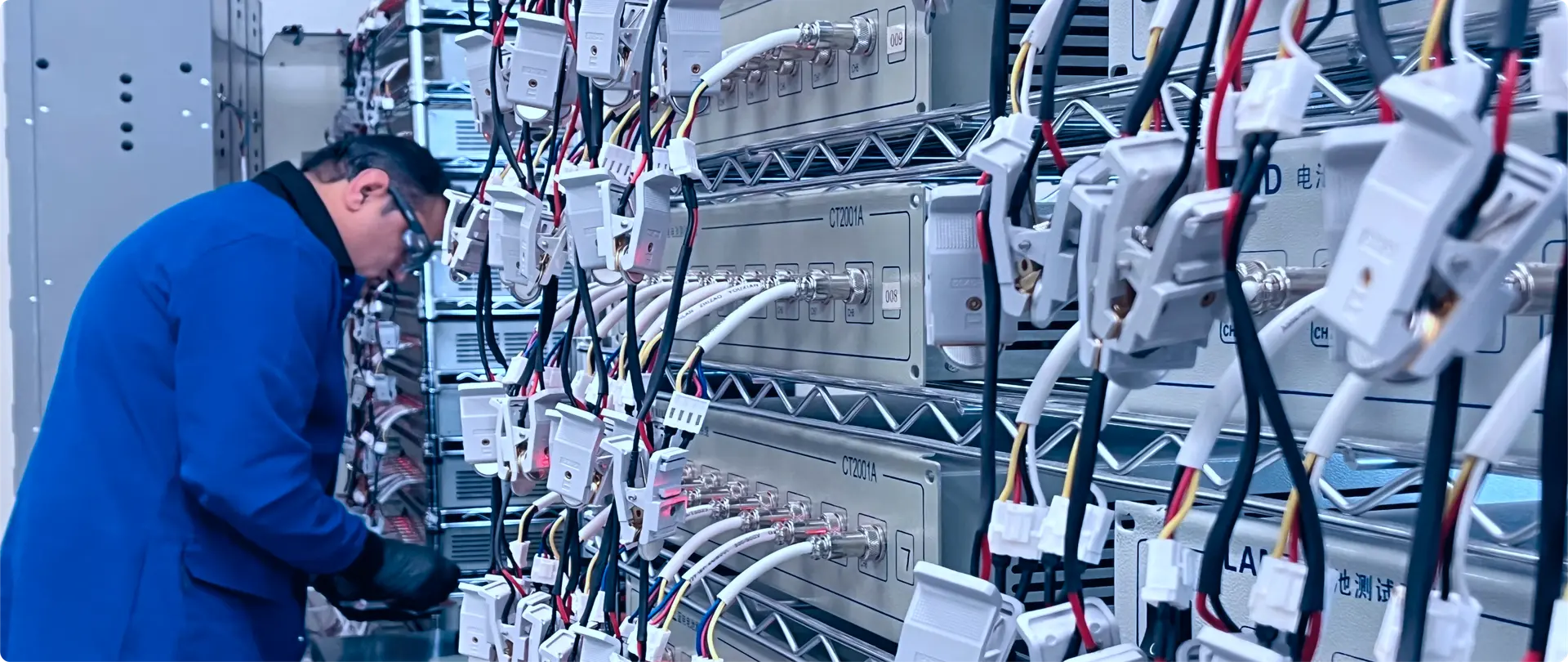
The batteries use graphene to manage extreme temperatures. They reportedly work reliably from -80°C to +60°C, with tests showing more than 500 charge cycles at -40°C. Solidion also says its new batteries can pack a lot of power into a small, light package — more than 380 watt-hours per kilogram. They use simple materials like silicon, solid-state and lithium-metal designs that are much less likely to catch fire. That’s a big deal in space, because every extra kilogram you send up costs a fortune in rocket fuel.
“Powering missions in the vacuum of space requires technology that can perform amid intense solar radiation, extreme temperature fluctuations, and the severe vibrations of a launch payload,” stated chief executive Jaymes Winters in a news release.
“Solidion’s Gen-ECB and advanced battery platforms deliver exactly that,” he added, “stable, reliable energy storage engineered for the harshest environments humanity has ever operated in.”
This move lines up neatly with Elon Musk’s vision. He has predicted that within a few years, most heavy AI computing will shift into orbit because building and powering it here is too expensive and constrained. He argues orbital data centres make sense because space offers constant sunlight and fewer limits than terrestrial grids strained by AI’s massive power demands.
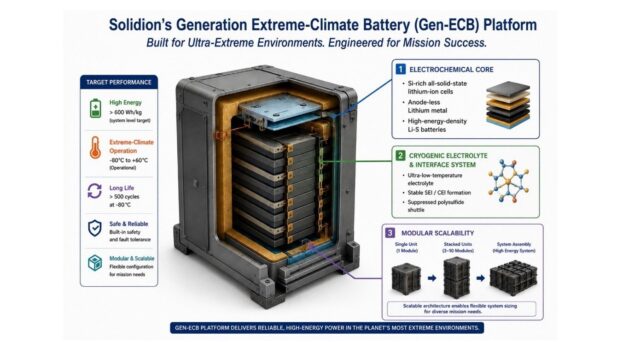
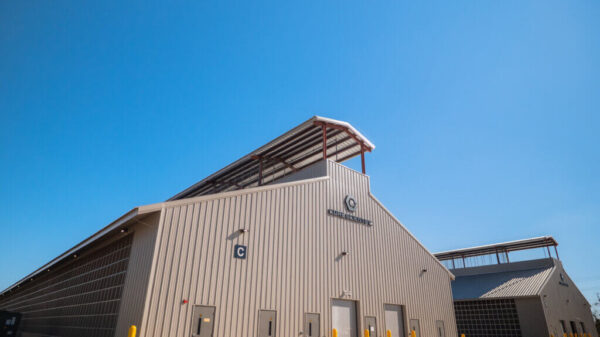
Image credit: Solidion Technology
Read more: XOS skyrockets on launch of AI data centre energy storage systems
Stock lift off followed by bold patent claims
Solidion followed up by emphasising its “highest-performing patented lithium anode protection technology,” backed by more than 30 patents in this area (part of a larger portfolio exceeding 500).
The space tech company claims this platform solves major hurdles for ultra-high-energy lithium-metal batteries. This includes stopping unwanted reactions with the electrolyte, preventing dangerous dendrite growth that causes shorts and closing gaps that diminish performance.
These sound impressive on paper and could matter if proven in real space conditions. Solidion positions the tech for both orbital AI and down-to-earth uses like EV batteries and data centre backup power. However, the announcements read like forward-looking statements typical of early-stage tech firms.
Independent verification, flight-qualified testing or signed contracts with NASA, SpaceX or satellite operators remain absent so far. Many battery breakthroughs promise much but struggle with the jump from lab to orbit, where radiation, vibration and decades-long reliability matter. Investors should treat the “highest-performing” label with caution until third-party data backs it up.
Valuation concerns linger despite the rally
Amid this momentum, questions about whether the surge can be sustained or if it has left the firm overvalued remain.
The company’s fundamentals tell a more cautious story. In the first quarter of 2026, Solidion reported its first-ever quarterly revenue of just US$85,426 alongside a US$1.43 million net loss and tiny cash reserves.
Solidion disclosed substantial doubt about its ability to continue as a going concern in the financial statements for the period ending Mar. 31. The company stated that its very low cash balance, ongoing losses and limited liquidity raised serious questions about whether it could keep operating for the next 12 months without raising more money. This week’s announcement has brought hope amidst a concerning financial situation.
The rally runs on exciting future possibilities rather than current sales or confirmed aerospace deals. No major customer contracts appeared in the releases. For a micro-cap company with thin trading history, such momentum can fade quickly without tangible progress like partnerships or revenue growth.
Solidion faces tough competition in the race to build better batteries for space. Rivals like Addionics are working on advanced 3D parts that help batteries hold more power and last longer. Furthermore, other companies like Amprius Technologies Inc (NYSE: AMPX) are already shipping high-energy silicon anode batteries for satellites and aerospace use.
Read more: Pope Leo releases 42,000-word manifesto about AI dangers
Follow Rowan Dunne on LinkedIn
rowan@mugglehead.com