
Tether plans to expand its stablecoin business into Eastern Europe with a new Georgian lari-pegged digital asset backed by government cooperation in Georgia.
The stablecoin issuer announced Monday that it will launch GELT, a digital token tied to the Georgian lari. Tether said the asset will support faster payments, lower transaction costs and programmable financial services across the region.
Additionally, the company described GELT as a digital version of Georgia’s national currency designed for cross-border commerce and settlement. Tether said the project aligns with Georgia’s effort to modernize its financial infrastructure through digital assets.
The stablecoin issuer added that Georgia has built a regulatory framework compatible with emerging United States stablecoin rules, including the GENIUS Act. Furthermore, Tether said that regulatory clarity could help attract innovation and broader adoption within the country’s financial sector.
Georgian Prime Minister Irakli Kobakhidze said the partnership could help create a more transparent and digitally connected financial system. Meanwhile, Tether CEO Paolo Ardoino said stablecoins have evolved beyond niche financial products and now function as infrastructure for global payments.
Ardoino also said Georgia moved early to establish serious digital asset regulations. Consequently, he believes the country has positioned itself to support long-term stablecoin adoption and financial technology development.
Tether said it will release more details about GELT’s structure, rollout timeline and regulatory implementation later.
The Georgia initiative follows Tether’s broader strategy of launching fiat-backed stablecoins for specific jurisdictions. In May 2022, the company introduced MXNT, a stablecoin pegged to the Mexican peso. The token remains active today.
Read more: South Carolina signs crypto bill protecting Bitcoin mining and self-custody
Read more: Coinbase faces lawsuit over alleged seizure of USD$2.8 million in crypto assets
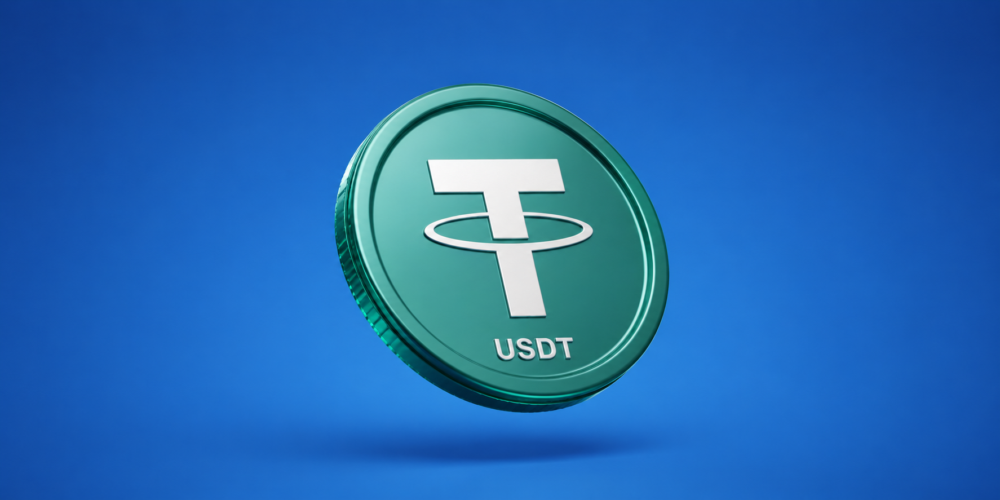
USDT holds reserves in U.S. dollars
However, Tether later shut down EURT, its euro-backed stablecoin, after regulatory changes in Europe altered the market environment. Redemptions for EURT officially ended in November 2025.
Earlier this year, Tether launched USAT to expand deeper into the American market after lawmakers passed the GENIUS Act last summer. Additionally, Tether’s flagship USDT stablecoin now carries a market capitalization of roughly USD$189 billion.
Although USDT holds reserves primarily denominated in U.S. dollars, the token remains unavailable to American clients.
The Georgia launch arrives as stablecoins attract growing attention from governments, financial institutions and payment companies worldwide. What began primarily as a cryptocurrency trading tool has expanded into one of the fastest-growing areas of digital finance.
Meanwhile, rising transaction volumes and new regulatory frameworks have pushed stablecoins deeper into mainstream discussions surrounding payments, banking and global commerce.
The stablecoin sector has grown into a market worth more than USD$300 billion globally, led primarily by dollar-backed digital assets. Tether’s USDT remains the dominant player with a market capitalization approaching roughly USD$189 billion, while Circle Internet Group’s (NYSE: CRCL) USDC controls another substantial share of the industry. Additionally, stablecoins processed trillions of dollars in transaction volume during the past year as businesses, traders and consumers increasingly adopted blockchain-based payments.
Governments and financial institutions have also accelerated involvement in the sector. The United States moved further toward formal regulation through the GENIUS Act, while multiple countries explored stablecoin frameworks tied to national currencies. Meanwhile, major banks and payment firms have started developing tokenized payment systems as demand grows for faster settlement, lower transfer costs and around-the-clock digital transactions.
.