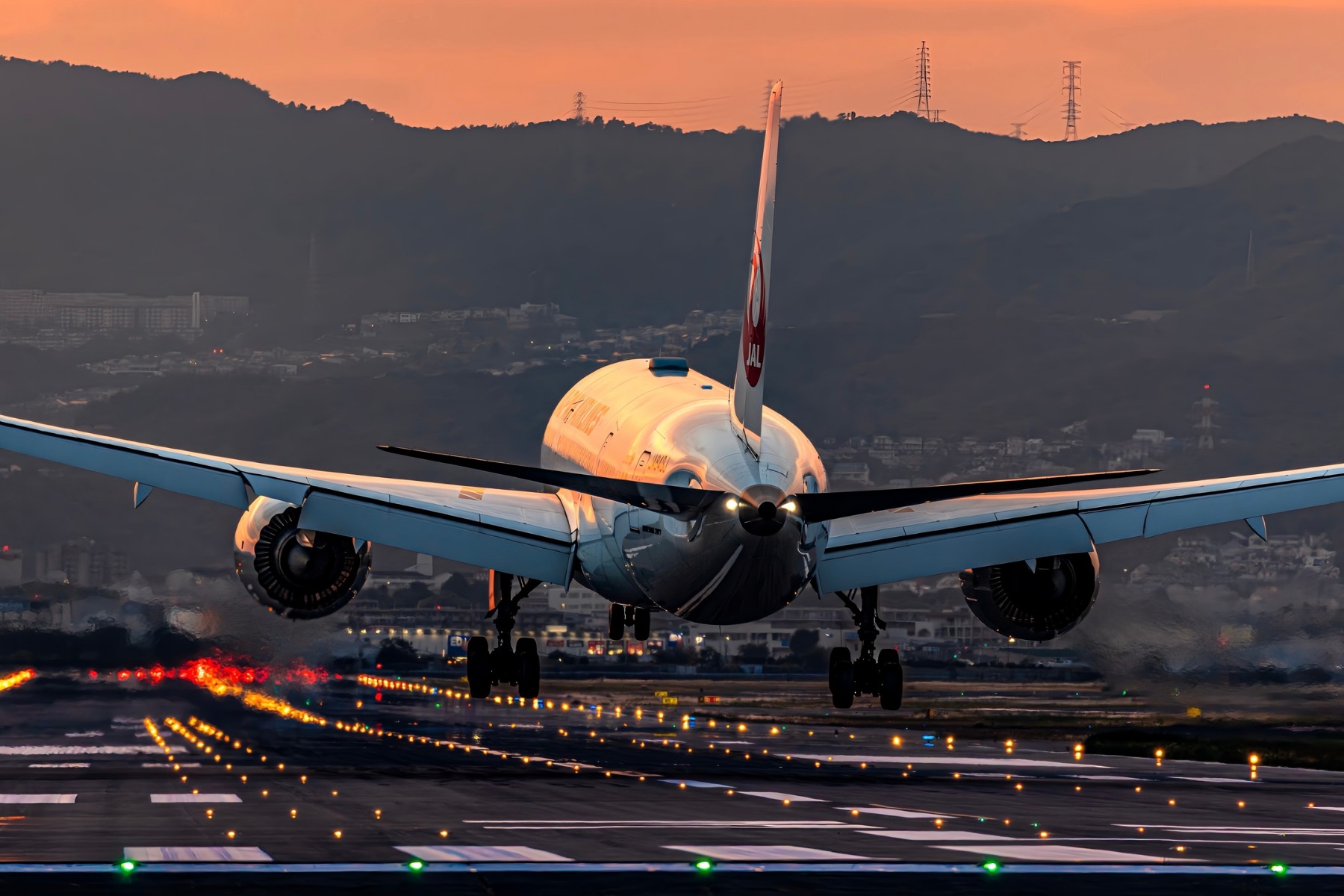

Japan Airlines Co Ltd (OTCMKTS: JPNRF) (FRA: JAL) has launched a pilot project that introduces humanoid robots to assist with ground operations at Tokyo’s Haneda Airport. The initiative addresses growing labour shortages caused by surging tourism and a shrinking workforce.
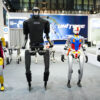
Announced on Apr. 27, the initiative will see that the airline’s Ground Service partners with GMO AI & Robotics to test Unitree’s G1 humanoid robots in live airport conditions. It will also employ the Walker E robot from Ubtech Robotics Corp Ltd (OTCMKTS: UBTRF) (FRA: 7US) (HKG: 9880) for heavier tasks. The trial begins in May and is expected to continue for two to three years.
GMO AI & Robotics serves as the key integrator and solution provider in the project. As the trading company responsible for AI and robotics within the GMO Internet Group Inc (OTCMKTS: GMOYF) (FRA: X1M), GMO supplies the humanoid robots to JAL Ground Service. It also develops and optimizes their motion programs using expertise from its Humanoid Dispatch Service and the newly opened GMO Humanoid Lab in Shibuya, Tokyo.
This enables the robots to perform tasks such as transporting cargo containers and operating levers to secure them, while working within Japan Airlines’ existing infrastructure and facilities with minimal modifications. Human staff maintain full oversight for safety during the initial phases.
The Unitree G1 stands about 132 centimetres tall and weighs roughly 35 kilograms. It offers advanced dexterity with up to 43 degrees of freedom, force-controlled hands and sensors that include LiDAR and depth cameras. Its battery supports two to three hours of operation, which suits repetitive physical work in confined airport spaces.
Walker E complements the smaller Unitree G1 by handling heavier or more physically demanding ground tasks. It is primarily deployed for loading and unloading cargo containers, moving baggage and operating levers to secure loads. These are roles where its greater height, reach and strength provide advantages over the more compact G1.
Aside from labour applications, Unitree’s G1 is renowned for impressive agility in martial arts routines, such as shadowboxing and precise kicks. Although occasional delays in motion capture can produce imperfect results, these demonstrations highlight its potential for complex actions in real-world settings.
Founded in 2016 in Hangzhou, Unitree has grown rapidly over the past 10 years. It now prepares for an initial public offering on Shanghai’s STAR market and targets a valuation of around US$7 billion.
JAL just announced humanoid robots at Haneda Airport!
From May 2026 they’ll test kid-sized Unitree G1 and adult-sized UBTECH Walker E for heavy ground work like baggage and cargo. Japan’s aging population + tourism boom making this necessary.
Future is here 🤖 pic.twitter.com/zokm7OQLQt
— Alvin Foo (@alvinfoo) April 28, 2026
Read more: Designer brand Caviar transforms Unitree’s G1 robot into world’s 1st luxury humanoid
Follow Rowan Dunne on LinkedIn
rowan@mugglehead.com