
Sleeping with a noisy breathing machine remains one of the biggest frustrations for people with obstructive sleep apnea.
However, researchers said an older epilepsy drug may offer a simpler treatment option in press releases on Wednesday.
A recent clinical trial found the drug significantly reduced nighttime breathing interruptions in patients diagnosed with obstructive sleep apnea during multi-country testing. Researchers tested the anticonvulsant drug sultiame in a stage II clinical trial that concluded in 2023.
The trial enrolled 240 adults with moderate to severe obstructive sleep apnea across Belgium, Czechia, France, Germany and Spain. Participants received either a placebo or one of three daily sultiame doses.
Those doses measured 100 milligrams, 200 milligrams, or 300 milligrams taken roughly an hour before bedtime. Researchers tracked breathing disturbances, oxygen levels and daytime sleepiness throughout the multi-site study.
Patients taking the highest doses experienced the strongest improvements. The 200-milligram and 300-milligram groups saw sleep apnea severity fall by roughly 30 to 50 per cent compared with the placebo group.
Meanwhile, the placebo group showed far smaller changes in breathing interruptions overnight. Researchers reported better overnight oxygenation among participants taking sultiame during the study period.
Furthermore, many participants reported less daytime fatigue after several weeks of treatment with the medication. Jan Hedner, a pulmonary medicine specialist at the University of Gothenburg, helped lead the research team.
He said the findings suggest doctors may eventually treat sleep apnea with medication rather than mechanical devices. Hedner said researchers have worked for years to test whether drug therapies could influence sleep-related breathing disorders.
Read more: Five-star Singapore hotel integrates sleep technology into its 156 rooms
Read more: Luxury hotel in Singapore starts using ‘DeepSleep’ sound tech from NuCalm
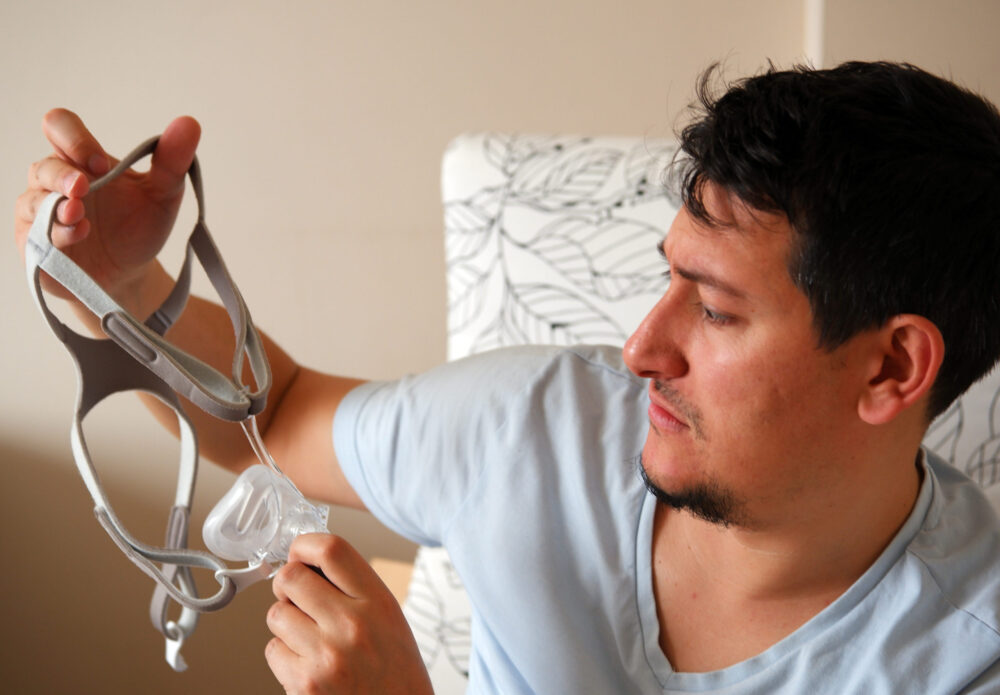
CPAP machines help to facilitate sleeping in sleep apnea sufferers
However, the team plans larger and longer trials to confirm that the benefits remain consistent and safe across broader patient groups. Obstructive sleep apnea occurs when muscles in the upper airway relax and block airflow during sleep.
Consequently, breathing repeatedly stops and starts throughout the night. These interruptions lower oxygen levels and fragment normal sleep cycles.
Many patients wake feeling exhausted even after spending a full night in bed. Doctors commonly treat the condition using continuous positive airway pressure devices known as CPAP machines that force air through a mask.
These machines push air through tubing to keep the airway open during sleep. However, many patients struggle to tolerate the equipment because the mask and airflow can feel intrusive or uncomfortable.
Some patients abandon the therapy despite its strong clinical effectiveness. Meanwhile, researchers have spent years searching for alternatives that patients might find easier to use consistently.
At the end of 2024, regulators approved the first medication specifically indicated for obstructive sleep apnea. The US Food and Drug Administration cleared tirzepatide, sold under the brand names Mounjaro and Zepbound.
The drug was developed by Eli Lilly and Company (NYSE: LLY). However, its sleep apnea benefit appears to come primarily from weight loss rather than direct changes to airway physiology.
Researchers say fat loss around the neck can widen the airway and reduce obstruction during sleep. However, that approach does not directly address airway muscle tone or the body’s neurological control of breathing.
Read more: Somnigroup invests US$25M into smartbed tech creator Fullpower-AI
Read more: Equinox Hotels launches luxurious Sleep Lab experience
Medication may influence nerve signals
Sultiame may work differently by stabilizing airway muscles and respiratory signalling pathways. In addition, earlier European studies suggested the drug improves upper airway muscle tone and breathing stability during sleep cycles.
Scientists believe the medication may influence nerve signals that control breathing rhythm overnight. Consequently, fewer airway collapses occur during sleep in patients taking effective doses.
However, higher doses produced more side effects, which prompted researchers to favour the 200-milligram daily dose. The drug has existed since the 1950s and already treats partial seizures in several countries, including parts of Europe and Japan.