Xcite Uranium Inc.'s Lorado gamma probe records 2,281 cps as Gulch drilling starts
The other two Lorado holes showed no significant anomalous radioactivity; Gulch drilling is planned for 900 metres in three holes.
 Mara Quinlan
Xcite Uranium Inc. CNSXXRI said on Monday that a 0.6-metre interval in Lorado hole LO26003 reached a peak of 2,281 counts per second on a downhole gamma probe as it started drilling at its Gulch project in Saskatchewan. No uranium assay has been reported for the Lorado core, and Gulch's newly started program calls for 900 metres in three holes.
Xcite shares last closed at C$0.34 at 4 p.m. EDT on Friday, Sept. 25, on the Canadian Securities Exchange, according to the CNSXXRI quote. The Sept. 28 release was issued before Monday's Canadian trading session.
The company's Sept. 28 drill table locates the peak between 27.8 and 28.4 metres downhole. The 0.6-metre span averaged 930 counts per second, and the other two Lorado holes showed no significant anomalous radioactivity.
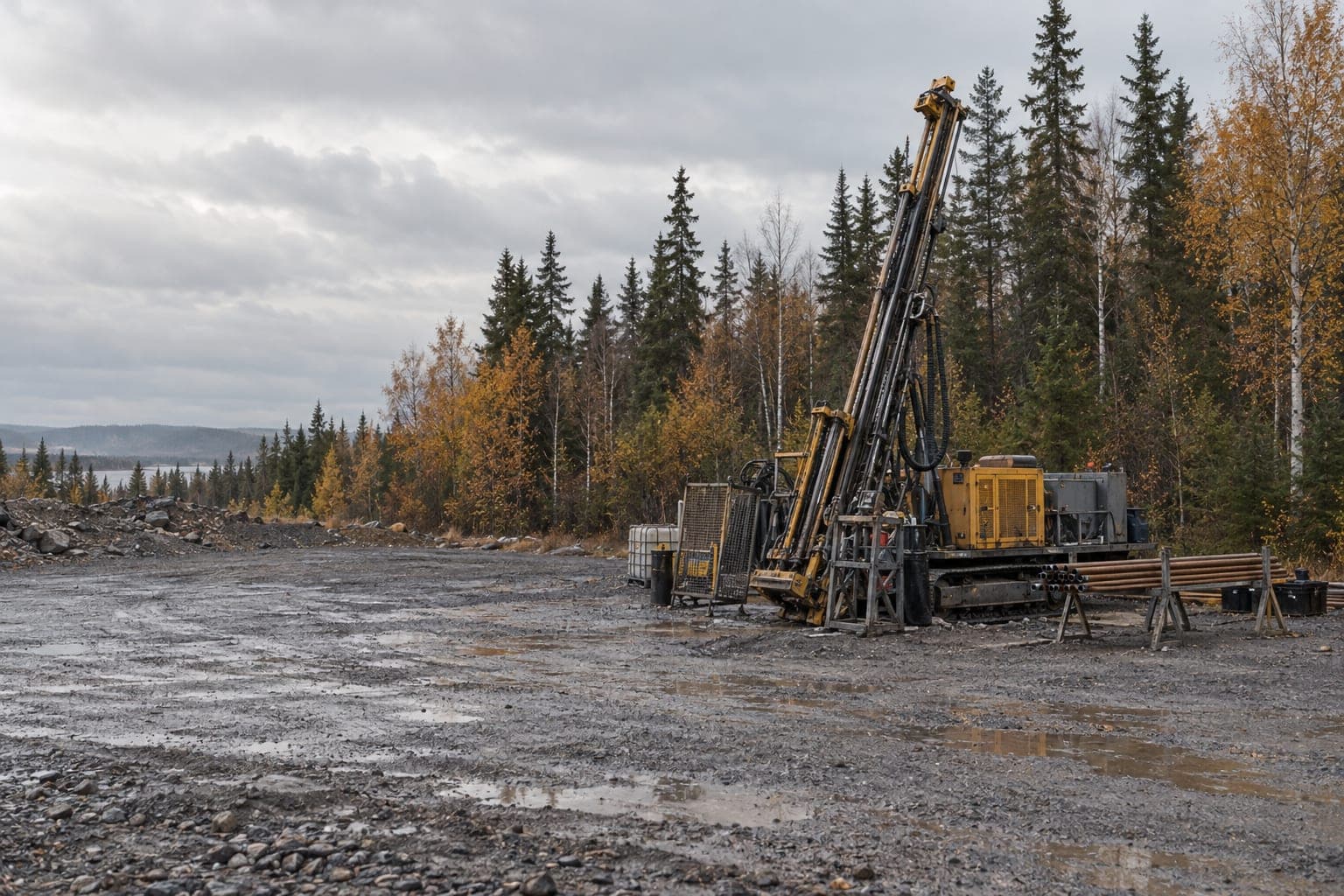
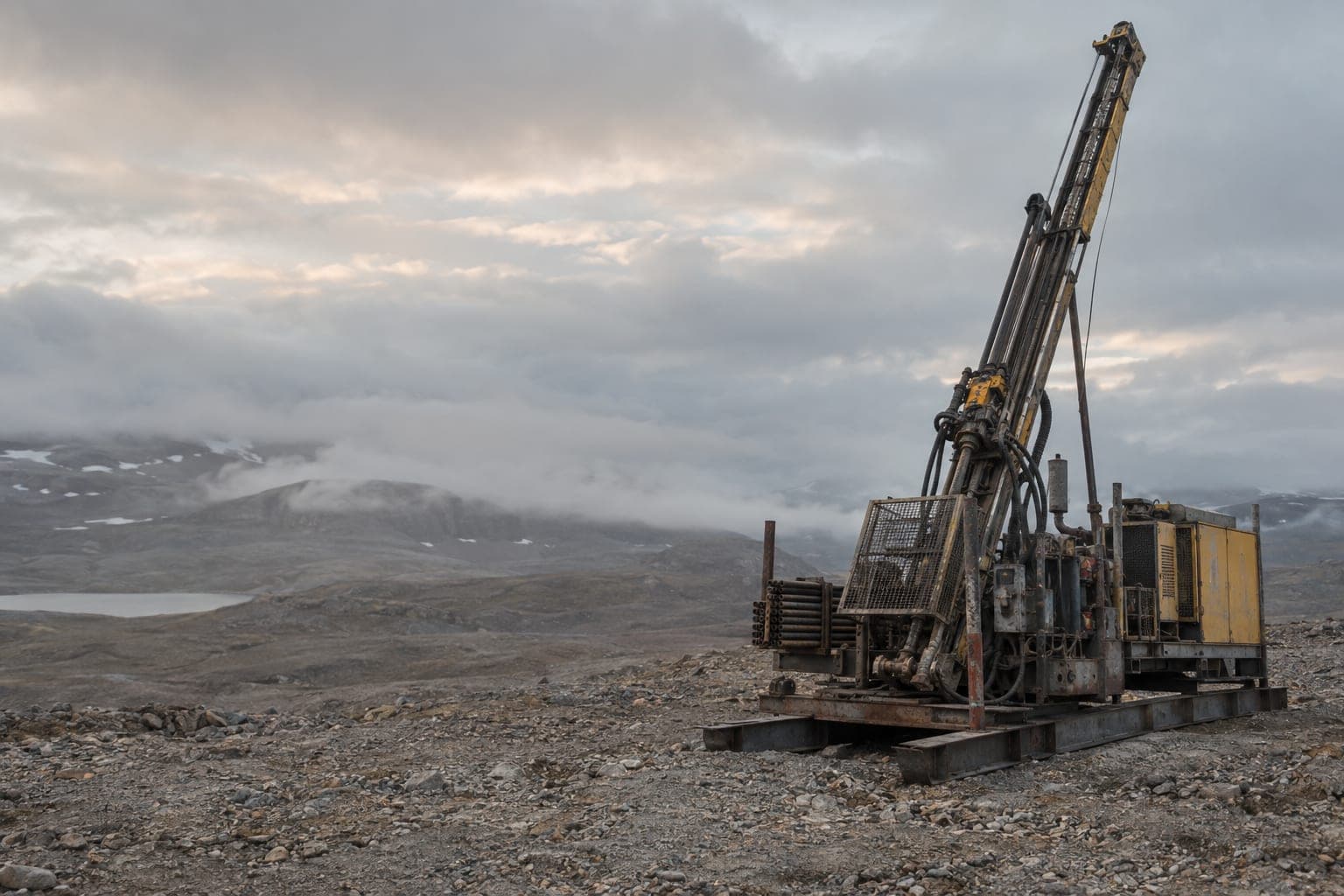
At Gulch, Xcite has begun a three-hole, 900-metre diamond-drilling program from separate pads. The company's approved 2026 budget for Gulch is approximately $1.1 million. It allocated $700,000 to drilling and $400,000 to fieldwork, which it said is complete.
A counts-per-second reading measures radiation detected by the probe; it is not a uranium assay. Xcite said spectral analysis indicated uranium was the dominant source of the Lorado anomaly, but the core still needs laboratory testing to establish grade. The reported lengths are downhole intervals, and the company said true thicknesses cannot yet be determined.
The company's method note says its downhole probe sampled total gamma radiation at 10-centimetre intervals. Xcite listed five additional radioactive intervals in LO26003, the deepest ending at 191.0 metres downhole. No core assays were included in the Sept. 28 release.
"Geochemical assays of drill core samples are pending," Xcite said in its Sept. 28 release.
Xcite's 2026 Gulch program included selective rock sampling. Two samples returned 1.6 and 3.75 per cent uranium oxide (U3O8). Xcite cautioned that grab samples may not represent mineralization across the property, so those grades cannot be applied to the planned drill holes.
RadonEx collected 700 radon samples at Gulch. Xcite reported 31 rock samples from its field program. Airborne surveys covered 377 line-kilometres, and Xcite said its interpretation identified about 14 kilometres of electromagnetic conductors near fault structures. The new holes target breaks in those conductors where they coincide with radon anomalies and anomalous rock chemistry.
Gulch lies about 20 kilometres south of Uranium City, where Apex Drilling's crews are based. Fieldwork at Gulch included prospecting, structural mapping and scintillometer surveys.
Xcite also completed 2.9 square kilometres of drone lidar mapping at Gulch in 2026. The company's investor page listed about $4 million in cash as of September 2026.
The investor page lists Dec. 31, 2026 as the next deadline under Xcite's North Athabasca property option, including $1 million in exploration spending.