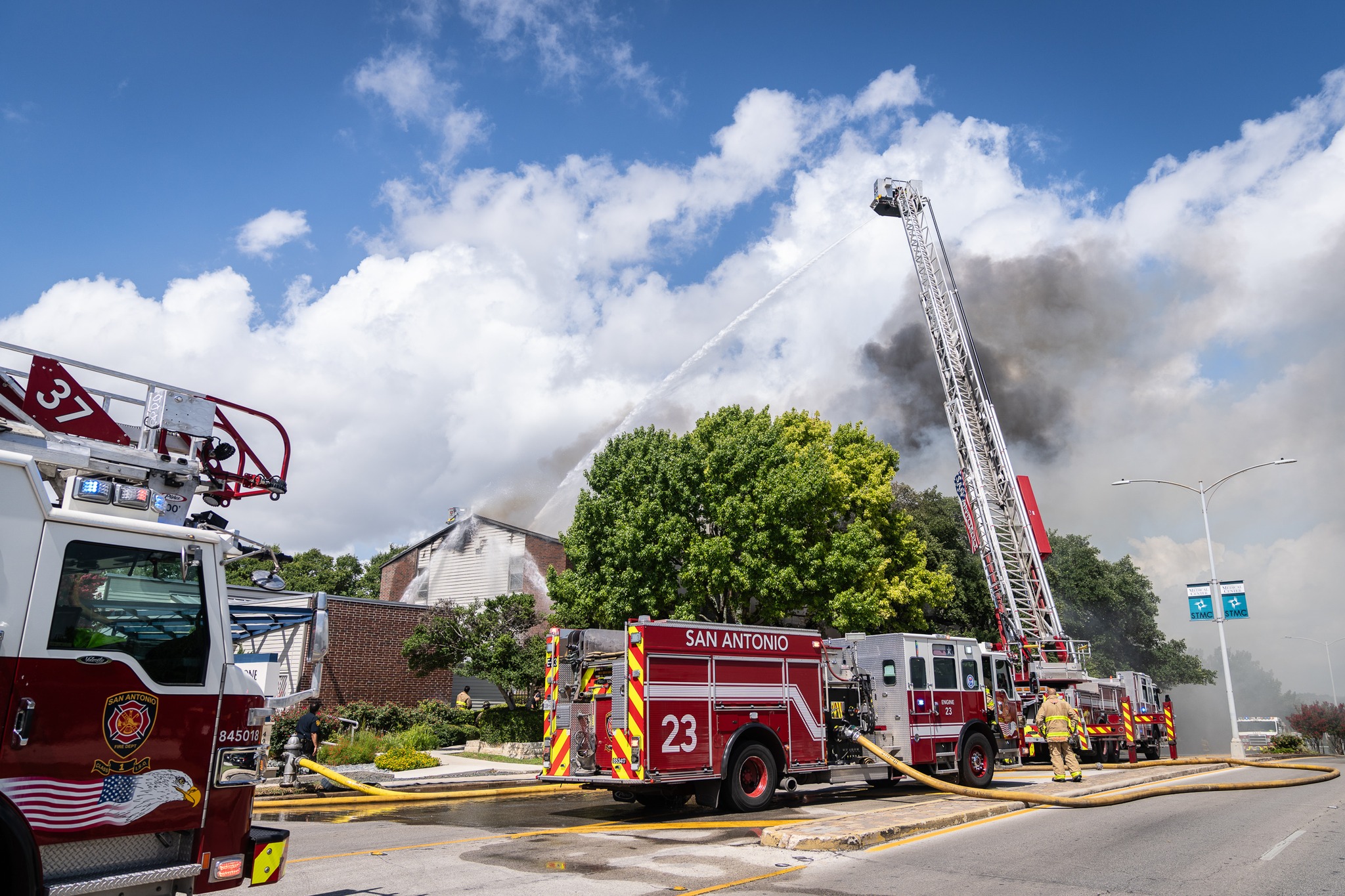

Juan Torres Valenzuela, a 31-year-old United States Army veteran and former infantry officer, has fought battles abroad and at home.
Commissioned from St. Mary’s University, he deployed to Afghanistan from 2019 to 2020. Upon returning at 25 years of age, he collapsed after experiencing a sharp pain in his head and was later diagnosed with Stage 3 brain cancer.
Valenzuela had his tumour surgically removed and received several subsequent radiation and chemotherapy treatment sessions. Amid cognitive decline, he chose to avoid prescribed opiates and researched psychedelics via VA trials. Unable to participate in these studies due to his active-duty military status, he procured two psilocybin capsules from a family member and ingested them with the intention of improving brain function.
Later, following his medical retirement from the Army in 2022, Valenzuela pursued a firefighting career with the San Antonio Fire Department. In 2023, he passed all of the department’s necessary tests but was disqualified the following year after review of a disclosure on his application that he had used psilocybin.
He appealed the decision with the Civil Service Commission, which reinstated him in October of 2024, but City Manager Erik Walsh overruled citing the same reason of illicit substance usage.
Reapplying last year, Valenzuela faced disqualification again and the commission deemed Walsh’s decision final. Disappointed, the Afghanistan veteran highlighted inconsistencies he viewed as unfair, like the fact that another applicant was hired despite admitting to using ecstasy and ketamine when she was 17.
“Policies should protect public safety, absolutely. But they should also evolve with science, medical reality, and basic fairness especially when dealing with veterans who have already sacrificed so much,” said former San Antonio firefighter Joe Castaneda.
“This situation highlights a real need for modernized hiring standards, transparency, and a more compassionate review process,” he added.
Valenzuela decided to complete his training elsewhere and joined a neighbouring fire department by late 2025. His story came to light in an article from local San Antonio media outlet KSAT 12 on Feb. 3.
This case highlights the controversial views held about medicinal psychedelic use in certain states. Texas is known for maintaining a conservative stance, unlike Colorado or Oregon.
However, exceptions like the 2025 Texas Ibogaine Initiative have recently emerged for research purposes. On Jun. 11, state Governor Greg Abbott signed Senate Bill 2308 into law, thereby allocating US$50 million for clinical trials on ibogaine. This psychedelic compound has garnered interest for treating veterans suffering from PTSD, addiction and brain injuries.
The bipartisan effort, backed by figures like Rick Perry, signals targeted openness for veteran mental health and contrasts broader prohibitions.
Read more: New Jersey hops on the medical psilocybin therapy train
Follow Rowan Dunne on LinkedIn
rowan@mugglehead.com