U.S.-backed South Africa rare earths project targets mining waste
The Trump administration has also placed renewed focus on reducing reliance on China for these resources
 Joseph Morton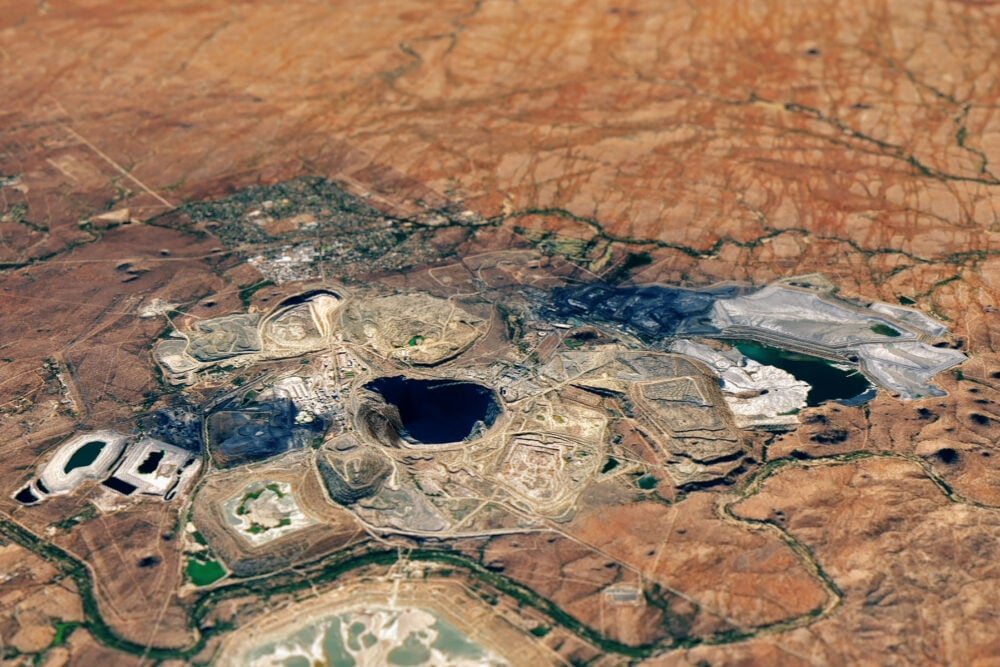
A U.S.-backed initiative in South Africa aims to turn decades-old mining waste into a new source of rare earth elements, as Washington accelerates efforts to secure critical mineral supply chains outside China.
The Phalaborwa Rare Earths Project centres on two massive dunes of phosphogypsum at a former chemical processing site, according to the Sunday announcement.
Additionally, the effort has drawn USD$50 million in equity funding from the U.S. International Development Finance Corporation through its partnership with TechMet. The project is being developed by Rainbow Rare Earths LONRBW OTCMKTSRBWRF.
The initiative forms part of a broader U.S. push to secure minerals essential for electronics, electric vehicles and defence systems. Furthermore, policymakers have identified rare earth elements as vital inputs for modern technologies, particularly high-performance magnets used in wind turbines and robotics. The 17 rare earth elements represent a subset of a larger group of critical minerals.
The Trump administration has also placed renewed focus on reducing reliance on China for these resources. It has also committed nearly USD$12 billion toward building a domestic strategic reserve of critical minerals. The move reflects intensifying competition over supply chains tied to advanced manufacturing and defence.
The Phalaborwa site contains approximately 35 million tons of phosphogypsum, a byproduct from phosphate mining and fertilizer production. Meanwhile, developers plan to extract rare earth elements from this material using an above-ground processing method. The project aims to begin production in 2028 and operate for roughly 16 years.
However, the initiative carries both technical promise and uncertainty. Neha Mukherjee, a research manager at Benchmark Mineral Intelligence, described the project as relatively low cost but still unproven at scale.
Read more: NevGold targets U.S. critical mineral supply chain with new antimony-gold find
Read more: NevGold expands high-grade antimony discovery at Nevada’s Limousine Butte Project
Execs say the project will supply US market
Additionally, Mukherjee noted that global supply remains constrained outside China. She suggested that projects like Phalaborwa could help address future demand gaps if they perform as expected. However, she cautioned that the technology and output levels remain uncertain until operations begin.
The U.S. government has continued backing the project despite diplomatic tensions with South Africa. Earlier this year, Washington halted broader financial assistance to the country following a policy dispute. Nevertheless, officials have maintained support for strategic mineral investments.
Further, the DFC has framed its involvement as part of a wider effort to unlock Africa’s mineral potential while advancing U.S. economic interests. The agency originally committed funding to the project in 2023 during the Biden administration. The current administration has chosen to proceed with the investment.
Rainbow Rare Earths executives say the project will primarily supply the U.S. market. In addition, CEO George Bennett indicated that defence applications played a major role in attracting U.S. interest. The company plans to produce elements such as neodymium, praseodymium, dysprosium and terbium.
These materials are critical for manufacturing permanent magnets used in electric motors and military systems. In addition, demand for these elements continues to rise as countries expand clean energy infrastructure and advanced manufacturing capacity.
Project developers emphasize the cost advantages of processing mining waste rather than extracting new ore. They also expect the operation to use up to 90 per cent renewable energy. This approach could reduce both environmental impact and production expenses.
Rainbow Rare Earths executives argue that the site benefits from prior industrial processing. Alberto Bruttomesso, a project director, explained that earlier operators already applied energy-intensive steps such as crushing and heating.
Read more: NevGold delivers major growth at Idaho gold project
Read more: Antimony recovery results from NevGold’s Limo Butte project exceed expectations
US continues to fund Lobito Corridor railway
Meanwhile, the company believes it can compete with Chinese producers on cost. China currently dominates global rare earth supply and refining capacity. However, Western governments are increasingly seeking alternative sources to reduce geopolitical risk.
Additionally, the Phalaborwa project forms part of a broader U.S. strategy in Africa. Washington has backed several mining and infrastructure initiatives across the continent. These include feasibility studies and transport corridors aimed at improving access to mineral-rich regions.
In February, the U.S. Trade and Development Agency signed a USD$1.8 million agreement to support a feasibility study in Mozambique. Furthermore, the U.S. continues to fund the Lobito Corridor railway linking mineral deposits in central Africa to the Atlantic coast.
Experts say these efforts reflect a broader attempt to counter China’s longstanding dominance in African mining. Patience Mususa, a mining specialist at the Nordic Africa Institute, described the U.S. as playing catch-up in the region. She noted that China remains the leading investor in many African mining projects.
However, the success of these initiatives will depend on execution and long-term economics. Rare earth extraction remains technically challenging due to low concentrations and complex separation processes. Market prices can also fluctuate based on supply and geopolitical factors.
The Phalaborwa project represents an unconventional approach by targeting industrial waste rather than traditional ore bodies. Its success could further influence how companies view legacy mining sites as potential resource opportunities.
Developers expect to begin construction of the processing facility in early 2027. Additionally, the USD$50 million DFC investment will be deployed once construction starts. The project timeline positions it to contribute to supply during a period of anticipated global shortages.
Read more: NevGold raises up to CAD$25M to fast-track Limo Butte development
Read more: NevGold reports more positive drill results as gold-antimony resource estimate nears
Washington leans on FAST-41 framework
Global demand for rare earth elements continues to expand alongside electrification and defence modernization. Governments and companies are racing to secure reliable supply chains. Projects like Phalaborwa may play a growing role in reshaping the global minerals landscape.
The United States has also moved to accelerate domestic critical mineral production through regulatory reform and expanded project support. Furthermore, federal agencies have broadened the definition of critical minerals to include materials such as lithium and antimony, reflecting growing demand from battery and defence sectors.
Washington has also leaned on the FAST-41 framework to streamline permitting timelines for major mining and infrastructure projects. The program creates a coordinated review process across federal agencies, reducing delays that have historically slowed mine development. Consequently, several high-profile mineral projects have entered the FAST-41 pipeline in recent years.
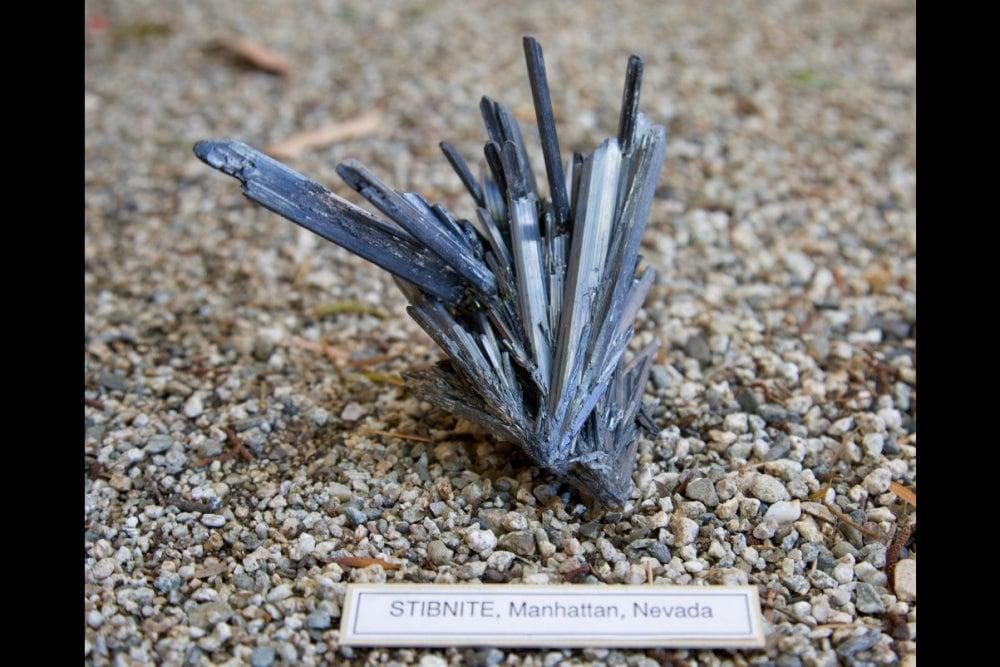
Perpetua Resources NASDAQPPTA TSEPPTA has emerged as a beneficiary of these efforts. Its Stibnite project in Idaho targets both gold and antimony, the latter being a critical input for military applications such as ammunition and flame retardants. In addition, the U.S. government has provided financial and technical backing to help advance the project toward production.
However, domestic supply remains limited despite these policy shifts. The U.S. currently relies on imports for antimony and other niche minerals. As a result, policymakers have prioritized projects that can deliver economic and strategic value.
Smaller exploration firms have also begun signalling potential supply through project disclosures and investor materials. NevGold Corp CVENAU OTCMKTSNAUFF FRA5E50, for example, has highlighted antimony potential alongside its gold assets in Nevada. This dual-metal approach reflects a broader trend as companies position themselves within the evolving critical minerals landscape.
NevGold Corp is a sponsor of Mugglehead news coverage
.