Terra Innovatum shares 12 draft SOLO safety chapters with NRC
The reactor developer targets Oct. 30 for the remaining six chapters and retains its company-set 2027 deployment goal.
 Ines Halvorsen
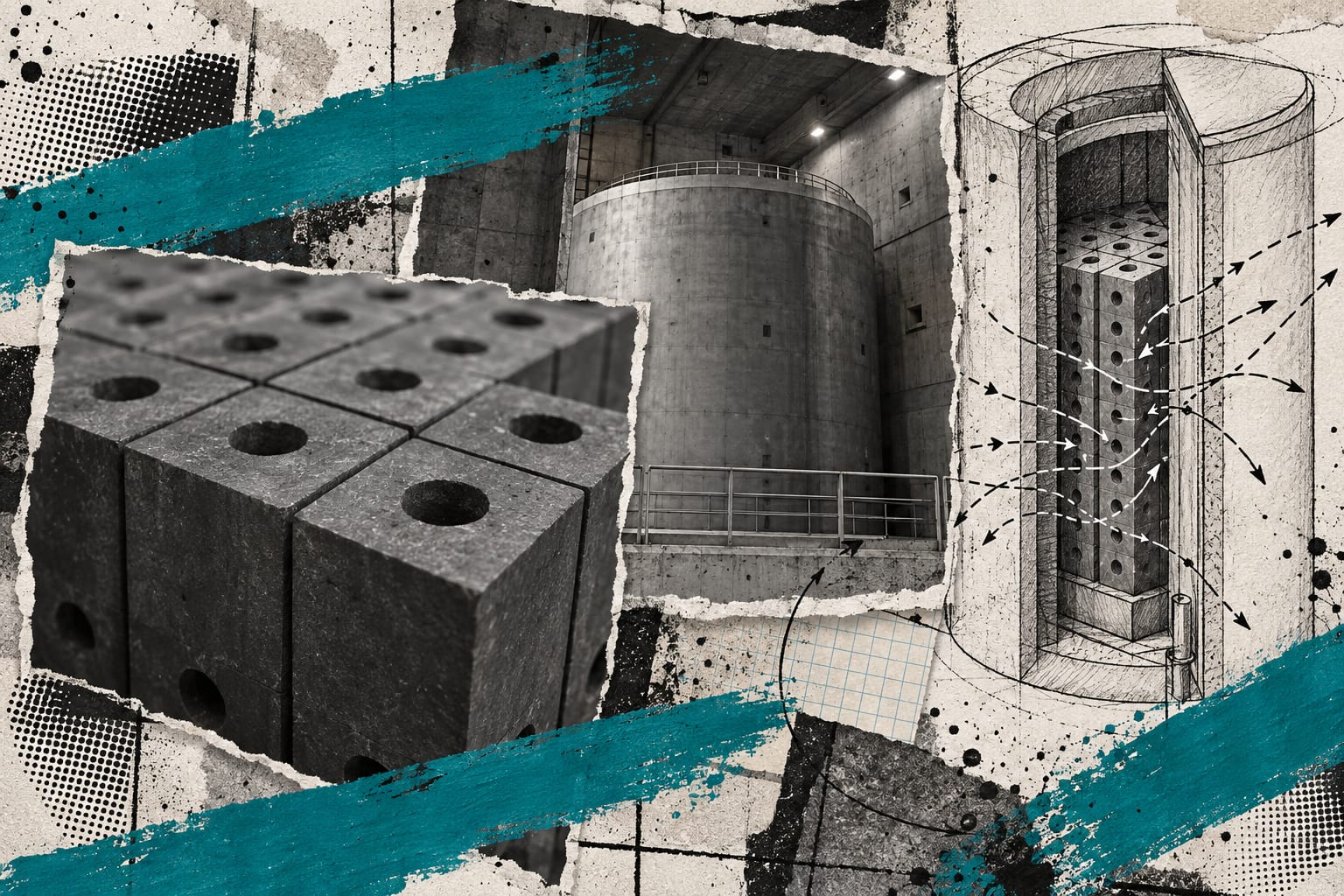
As of Oct. 22, 12 of 18 draft safety-analysis chapters had been shared with U.S. nuclear regulators, Terra Innovatum Global N.V. NASDAQNKLR reported, retaining its 2027 SOLO deployment target. The reactor developer reported US$91.1 million in cash and cash equivalents at June 30 and said existing resources should fund its first SOLO reactor through initial operations without further equity financing under its current plan.
The U.S. Nuclear Regulatory Commission is conducting a preapplication readiness assessment. Terra targets Oct. 30 for the remaining six chapters and anticipates the next assessment milestone by the end of November, subject to NRC scheduling.
Shares fell 3.6 per cent to US$2.14 on Nasdaq at 9:40 a.m. EDT on Thursday, according to Google Finance's NASDAQNKLR quote.
Broader SOLO installations are targeted to begin in 2028. Terra expects to submit the complete Preliminary Safety Analysis Report, or PSAR, with its formal construction-permit application after the readiness review.
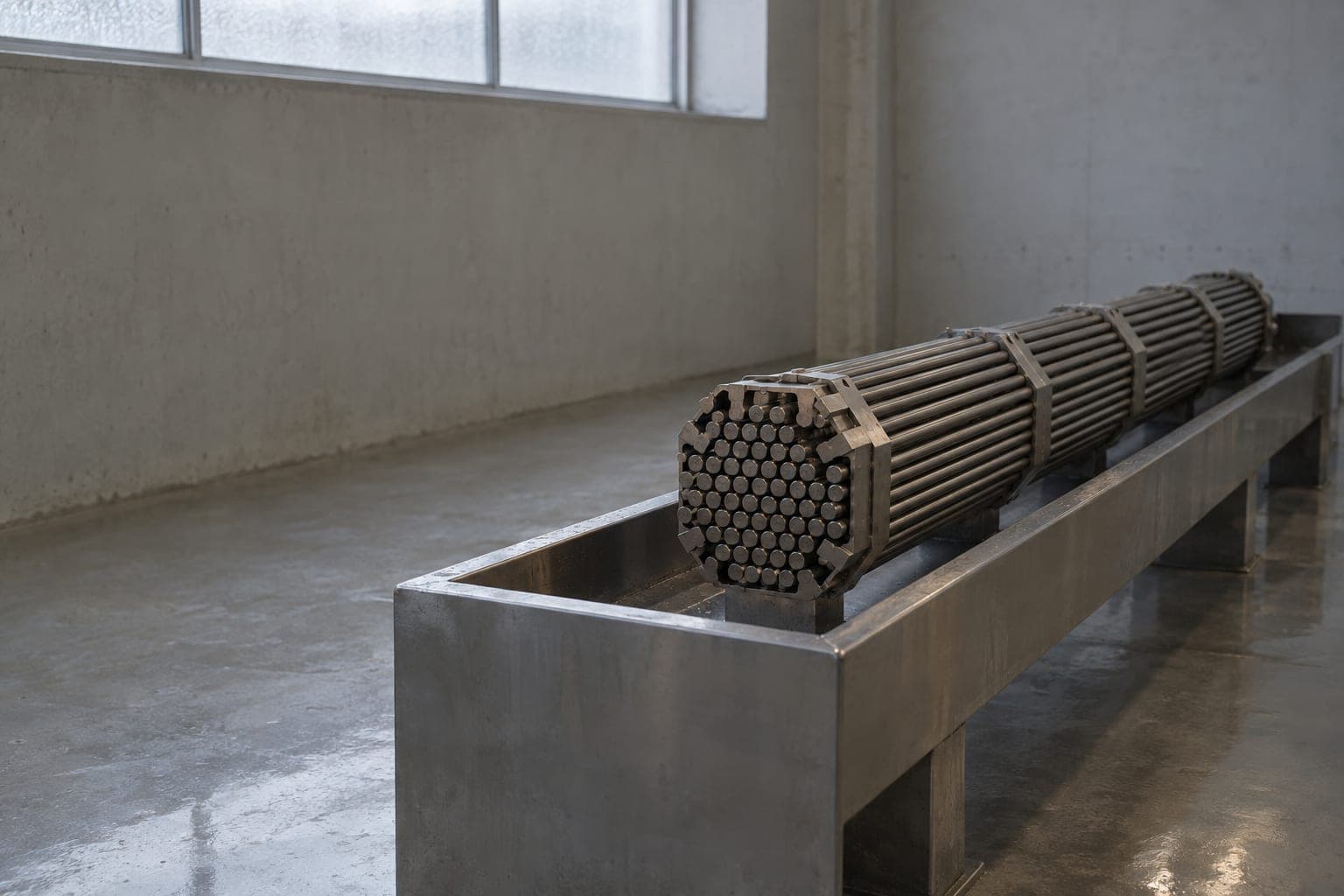
SOLO is designed to deliver approximately one megawatt of electricity per unit, according to the NRC's overview updated Sept. 15. The agency describes helium cooling and a design that can accommodate conventional low-enriched uranium fuel.
Readiness Assessment Precedes Formal Application
The NRC's readiness-assessment guidance, updated Sept. 8, says the voluntary exercise identifies information gaps and technical or policy issues that could affect an application's acceptance or review. It neither predetermines acceptance and docketing nor provides regulatory determinations.
Terra's regulatory engagement plan dated Jan. 2 says the company intends to use the NRC's non-power reactor licensing guidance for SOLO. That plan describes preapplication engagement intended to support preparation of a licensing application.
The agency's two-step licensing process requires both a construction permit and an operating licence. Formal application acceptance and safety and environmental reviews precede the licensing decisions; an operating-licence application includes a final safety-analysis report.
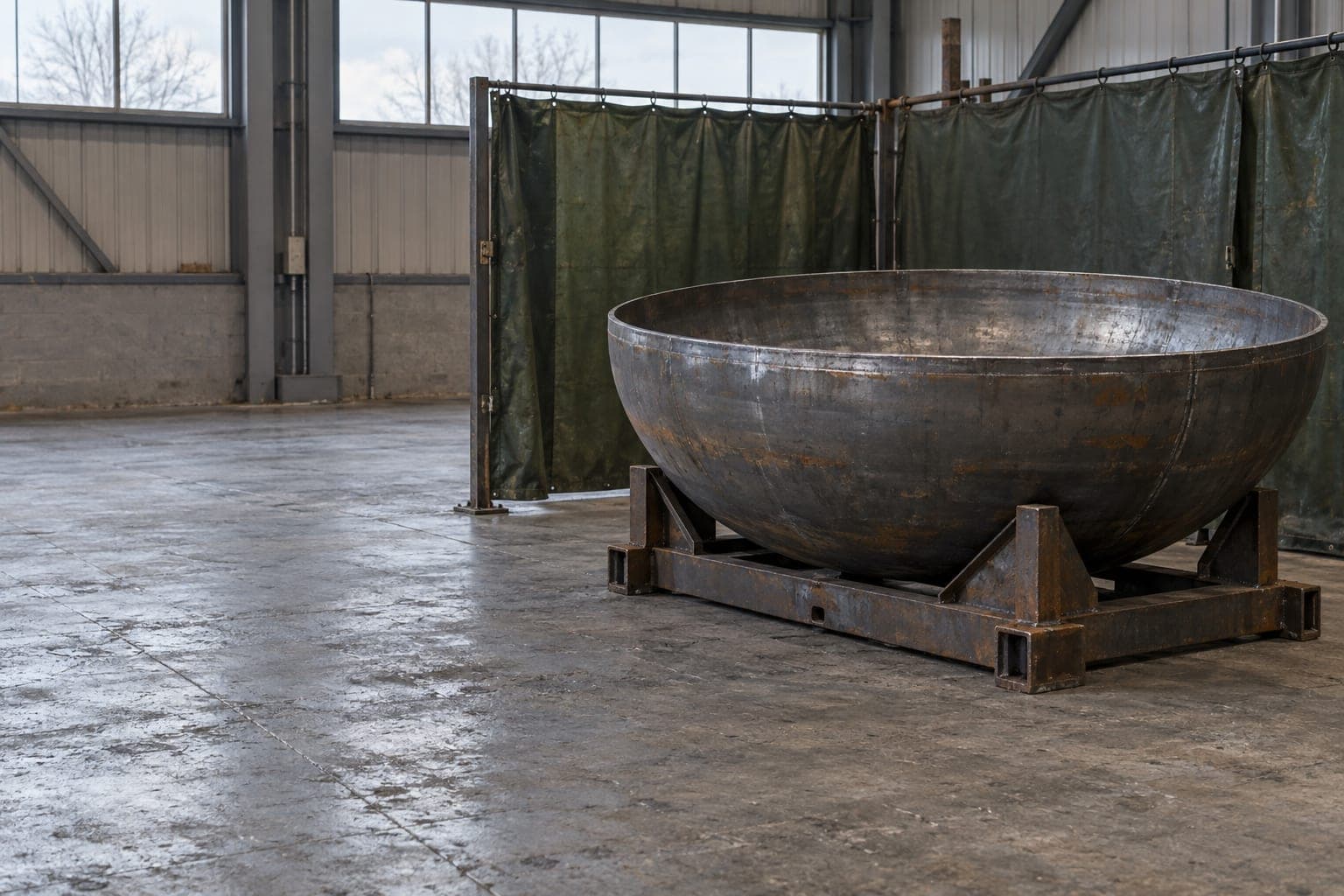
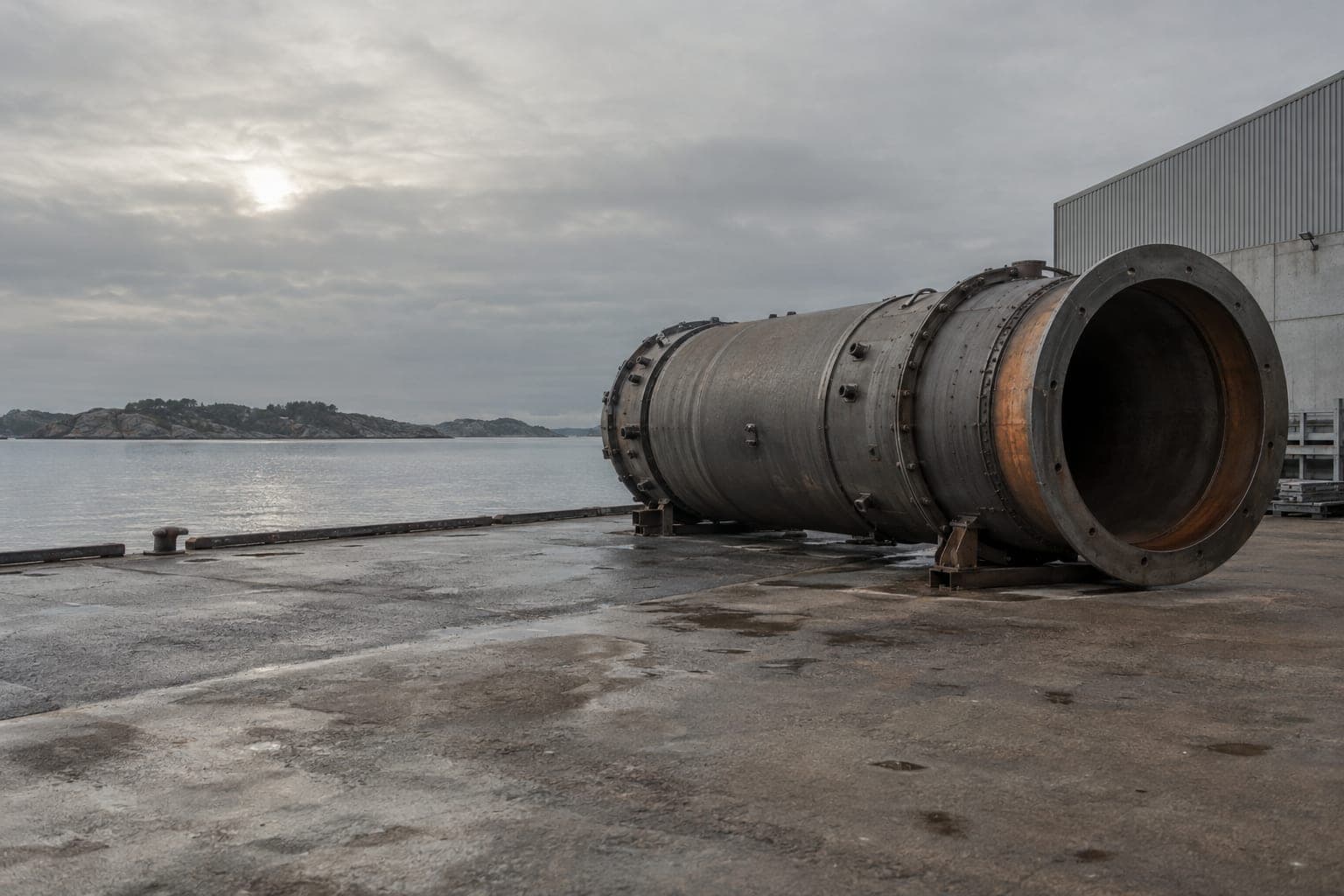
On equipment, Terra said on Oct. 22 it had initiated procurement and made down payments for graphite components, a turbine and generator, and an air-cooled condenser. Orders for the shutdown system, instrumentation and controls, valves and steam generator remained under discussion.
About 80 per cent of anticipated suppliers had been identified and engaged as of Oct. 22. Terra cautioned that purchase orders and payments were progressing separately by equipment package, so supplier engagement does not measure the share of equipment already ordered.
Terra says its outsourced manufacturing model uses industrial partners and commercially available components to limit spending on dedicated production infrastructure.
"We are advancing the actual systems and components required to build and operate our first unit," chief executive Alessandro Petruzzi said in the release.
NANO Nuclear Energy Inc. NASDAQNNE announced a three-year engineering services agreement on Oct. 21 covering engineering and potential future fabrication of KRONOS reactor components. Its initial manufacturability study is estimated at six months; future fabrication remains subject to engineering results, regulatory requirements and any necessary additional agreements.
Read more: NANO Nuclear Energy signs three-year engineering agreement with IMPSA
Terra's next stated delivery target is Oct. 30 for the six remaining draft chapters. The following readiness-review milestone is anticipated by the end of November, with its timing subject to the NRC.