Swiss economist thinks AI could push inflation levels even higher
Petra Tschudin is not the only one to voice concerns
 Rowan Dunne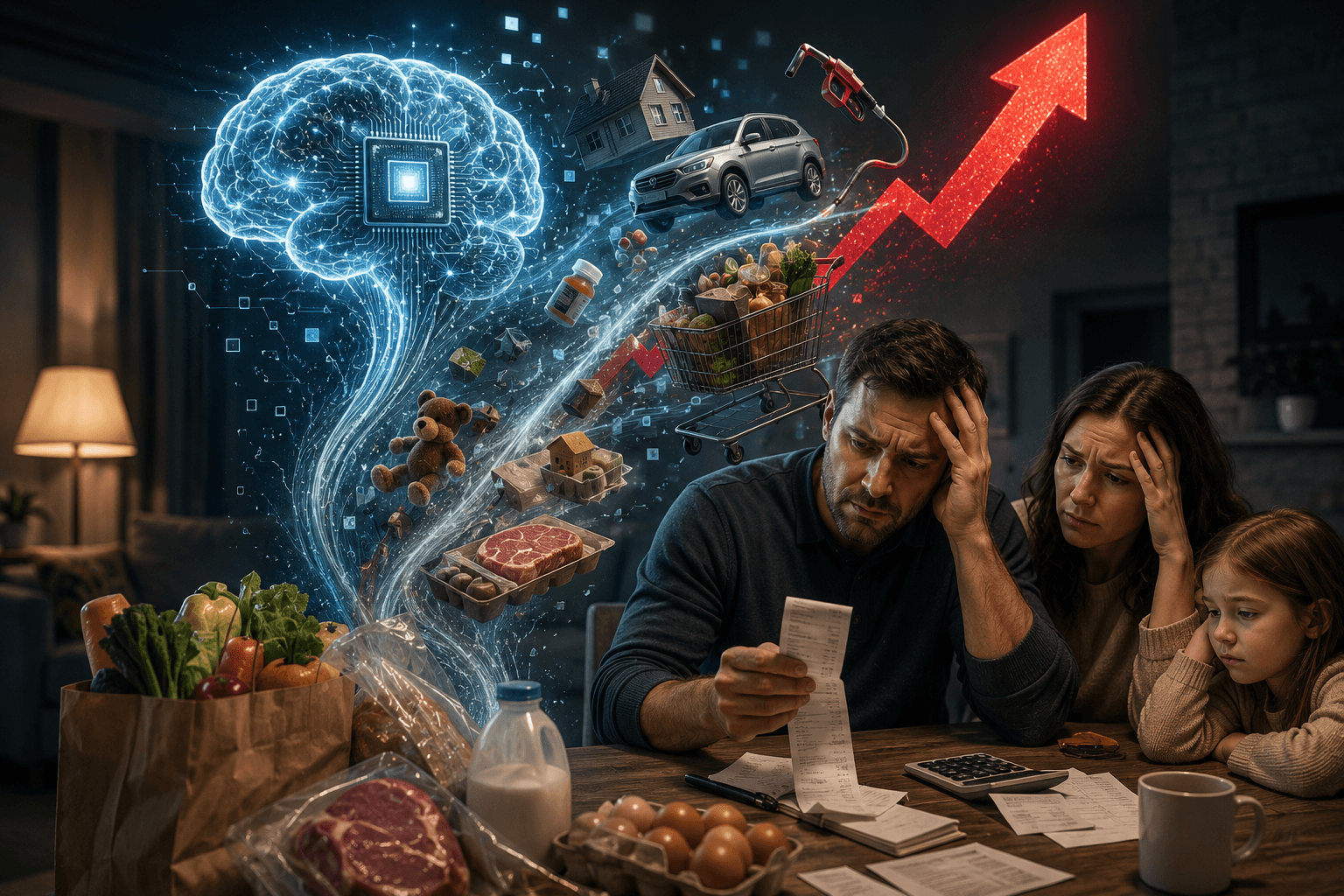
Leading economists and technology leaders are sharply divided over whether artificial intelligence and robotics will undermine the global economy or propel it into an era of unprecedented prosperity. Some foresee inflation spikes, mass job losses and entrenched inequality while others anticipate a world of such abundance that traditional economic constraints disappear.
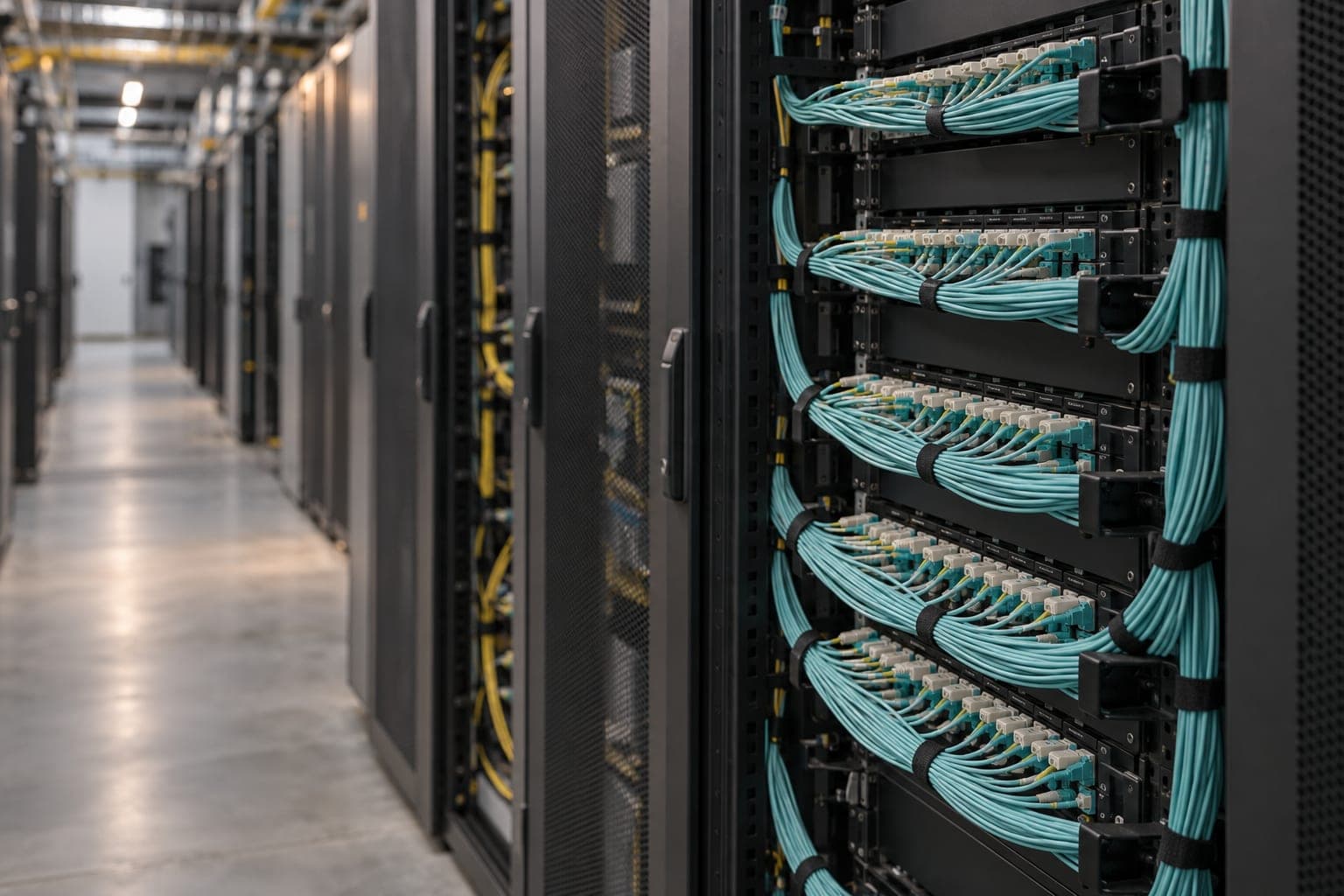
Schweizerische Nationalbank (OTCMKTS: SWZNF) (FRA: 1Y4) governing board member Petra Tschudin just added to the cautionary voices. In an interview with business newspaper Finanz und Wirtschaft, she argued that AI could drive inflation higher in the short to medium term.
“Investment flows are being partly redirected, which can mean adjustments and difficulties for the rest of the economy,” she stated. “Shortages can occur, for example with chips, causing prices to rise. In the short or medium term, therefore, upward inflationary pressure can also arise.”
While AI might eventually lower prices through productivity gains, Tschudin questioned whether those gains would prove persistent enough to produce structural deflation.
Similar opinions have surfaced among other prominent figures. IMF chief economist Silvana Tenreyro has warned that even substantial AI-driven productivity improvements may not curb inflation if investment and spending race ahead of actual efficiency gains, creating supply bottlenecks. Anthropic chief executive Dario Amodei estimates that AI risks wiping out half of entry-level white-collar jobs within one to five years, potentially lifting unemployment to ~15 per cent in some scenarios and fostering lasting inequality, even alongside possible economic growth.
“AI godfather” Geoffrey Hinton likewise foresees massive unemployment and widened inequality as capital owners use emerging tech to replace workers for profit.
Read more: Kazakhstan starts constructing first industrial-scale AI-robotics complex
From inflation risks to visions of plenty
Tschudin’s assessment arrives after a recent interview in which Elon Musk predicted that money itself would become largely irrelevant within a decade.
“Money won’t matter in 2036,” he told The Economist’s Zanny Minton Beddoes. “What do you want money for? You want money for goods and services, and if that is so abundant that the robots and AI are providing more goods and services than any human could possibly consume, what do you need money for in that case?”
Musk’s outlook finds similar sentiment among NVIDIA Corp NASDAQNVDA ETRNVD chief executive Jensen Huang. He argues that AI has become a genuine driver of profits and GDP growth while creating rather than destroying employment, particularly through infrastructure demand and productivity gains that expand overall capacity.
Google DeepMind’s Demis Hassabis has also spoken of “radical abundance” on a scale perhaps 10 times that of the Industrial Revolution, potentially ending resource scarcity. Moreover, OpenAI’s Sam Altman anticipates a broadly deflationary economy in which quality of life rises sharply as automated systems deliver widespread well-being.
The debate continues without resolution as the technologies continue to evolve in concerning and awe-inspiring ways.
Read more: White House cuts data centers, batteries from critical technology list
Follow Rowan Dunne on LinkedIn
rowan@mugglehead.com