Robotic lung biopsy system brings earlier cancer detection closer to patients
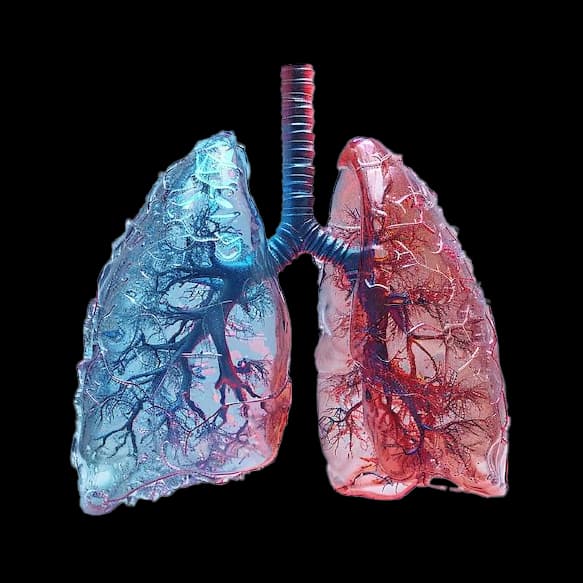
Lung cancer remains the leading cause of cancer deaths worldwide
 Joseph Morton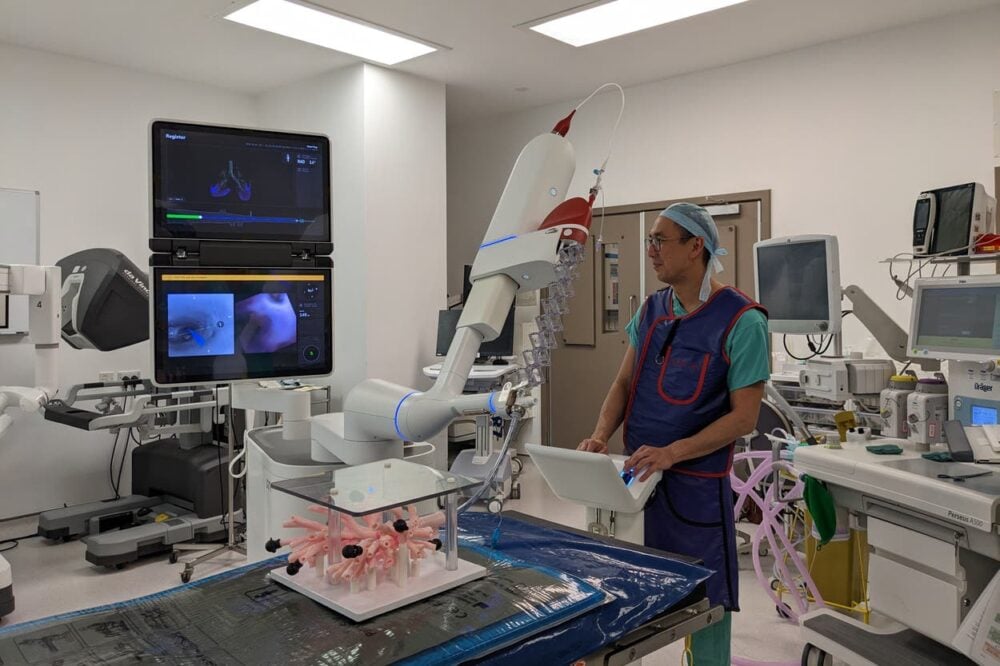
Doctors at St. Peter’s Health Partners have introduced a robotic bronchoscopy system designed to detect lung cancer earlier by reaching small nodules that conventional procedures often struggle to access.
The health network performed its first procedure with the catheter-based robotic platform on June 12 at Samaritan Hospital in Troy. The technology aims to improve access to suspicious lung nodules, particularly those located deep within the lungs where early cancers frequently develop.
Chief Medical Officer Nicholas Montalto said earlier diagnosis can make a significant difference because treatment is often more effective when cancer is found sooner. Additionally, he said the new system gives more patients access to advanced diagnostic care closer to home.
Lung cancer remains the leading cause of cancer deaths worldwide, largely because many patients experience few or no symptoms during the disease’s earliest stages.
Director of Advanced Bronchoscopy Joseph Seguel completed the first robotic procedure alongside Hau Chieng of Pulmonary & Critical Care Services and Tracey Weigel of Albany Thoracic & Esophageal Surgery.
Seguel said more than 70 per cent of cancerous lung nodules develop in the outer portions of the lungs. However, those areas contain narrow airways that conventional bronchoscopy can have difficulty reaching with consistent accuracy.
The robotic system uses computed tomography scans to build a three-dimensional map of a patient’s lungs before the procedure begins.
Doctors then guide an ultrathin catheter equipped with a fibre optic sensor through a planned pathway toward the targeted nodule. Furthermore, the system provides continuous information about the catheter’s position, orientation and surrounding airways throughout navigation and tissue sampling.
Read more: Prestigious medtech intelligence firm recognizes Breath Diagnostics for innovation
Read more: Breath Diagnostics completes install of advanced mass spectrometry system
Improved access may help physicians diagnose difficult cancers
Weigel said the technology delivers a real-time view that helps physicians collect biopsy samples with greater precision. Additionally, she said the robotic approach is faster and less invasive than many traditional computed tomography-guided lung biopsies while reducing the risk of complications.
The improved access may help physicians diagnose difficult-to-reach cancers at an earlier stage, when treatment options are generally broader.
Meanwhile, St. Peter’s Health Partners plans to offer the technology through its Cancer Care Center. This serves patients at St. Peter’s Hospital and Samaritan Hospital as part of its expanding cancer diagnostic services.
Robotic bronchoscopy reflects a broader shift toward advanced technologies that are changing how physicians detect cancer. Hospitals and researchers combine robotics, artificial intelligence and sophisticated imaging tools to identify suspicious tumours earlier and improve diagnostic accuracy.
Additionally, artificial intelligence can analyze medical images, pathology slides and other clinical data to help doctors recognize subtle patterns that may be difficult to detect with the human eye alone.
These systems do not replace physicians. Instead, they provide additional information that can support clinical decisions and reduce the chance of missed findings.
Several companies are developing technologies that could complement traditional cancer diagnostics. Breath Diagnostics is advancing its OneBreath platform. This device uses a proprietary microreactor to analyze compounds in a patient’s breath for signs of disease. Meanwhile, Grail Inc (NASDAQ: GRAL) has developed the Galleri multi-cancer early detection blood test. The test uses machine learning to analyze cell-free DNA patterns and identify different cancers from a single blood sample.
.
joseph@mugglehead.com