PMET Resources signs Matagami rail transshipment letter of intent
The proposed truck-to-rail handoff at Matagami still needs a commercial contract, with service pricing and upgrade contributions to be negotiated.
 Mara Quinlan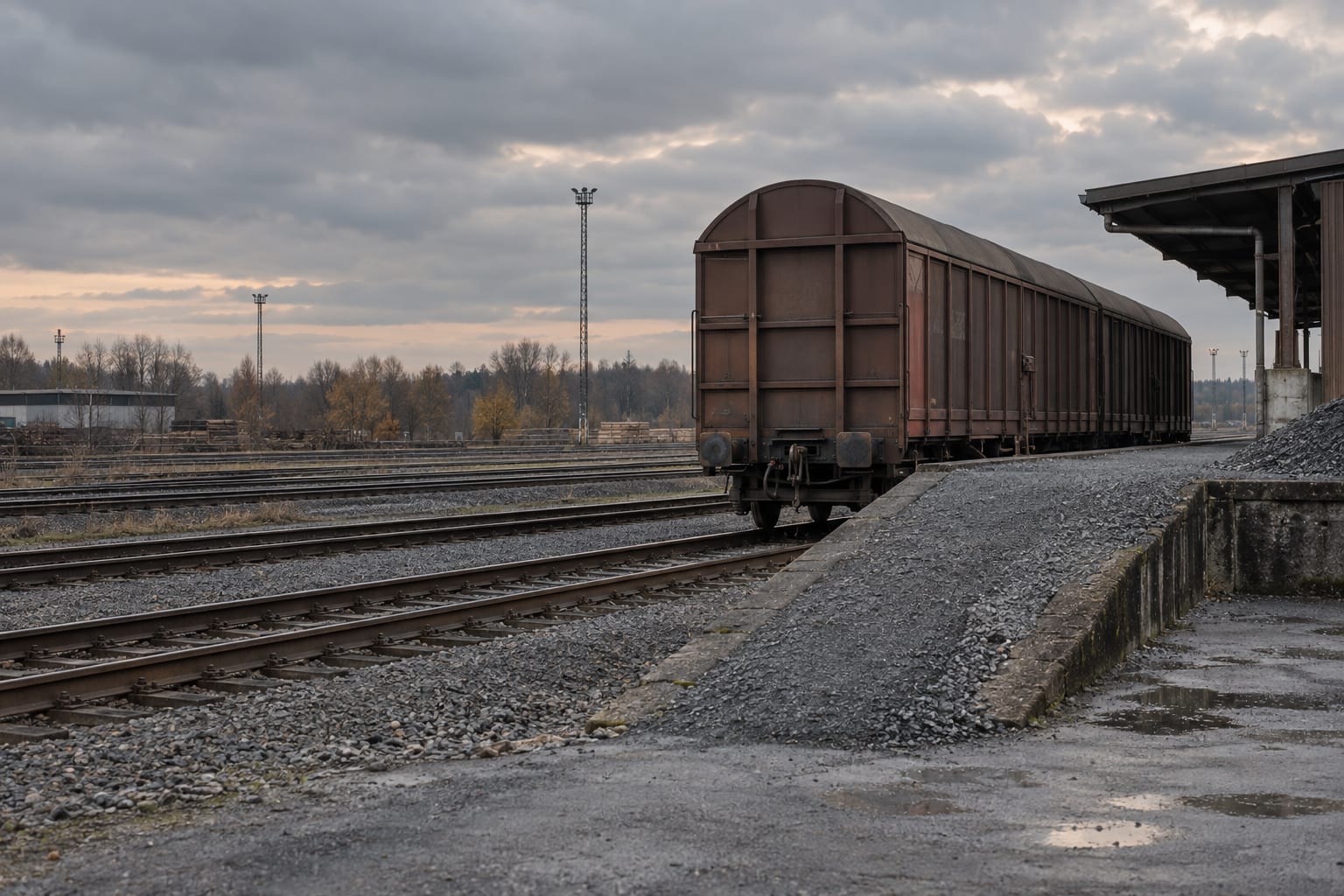
PMET Resources Inc. TSEPMET ASXPMT OTCMKTSPMETF said Sunday, Oct. 4, it signed a letter of intent with the City of Matagami to transfer future spodumene concentrate from trucks to rail cars in Quebec. The handoff would serve a mine plan targeting up to about 800,000 tonnes of concentrate annually, according to the company's 2025 feasibility study.
Shares rose 0.48 per cent to C$4.22 at 4 p.m. EDT in Toronto on Friday, Oct. 2, the TSEPMET quote shows. That close preceded PMET's Sunday announcement of the letter of intent.
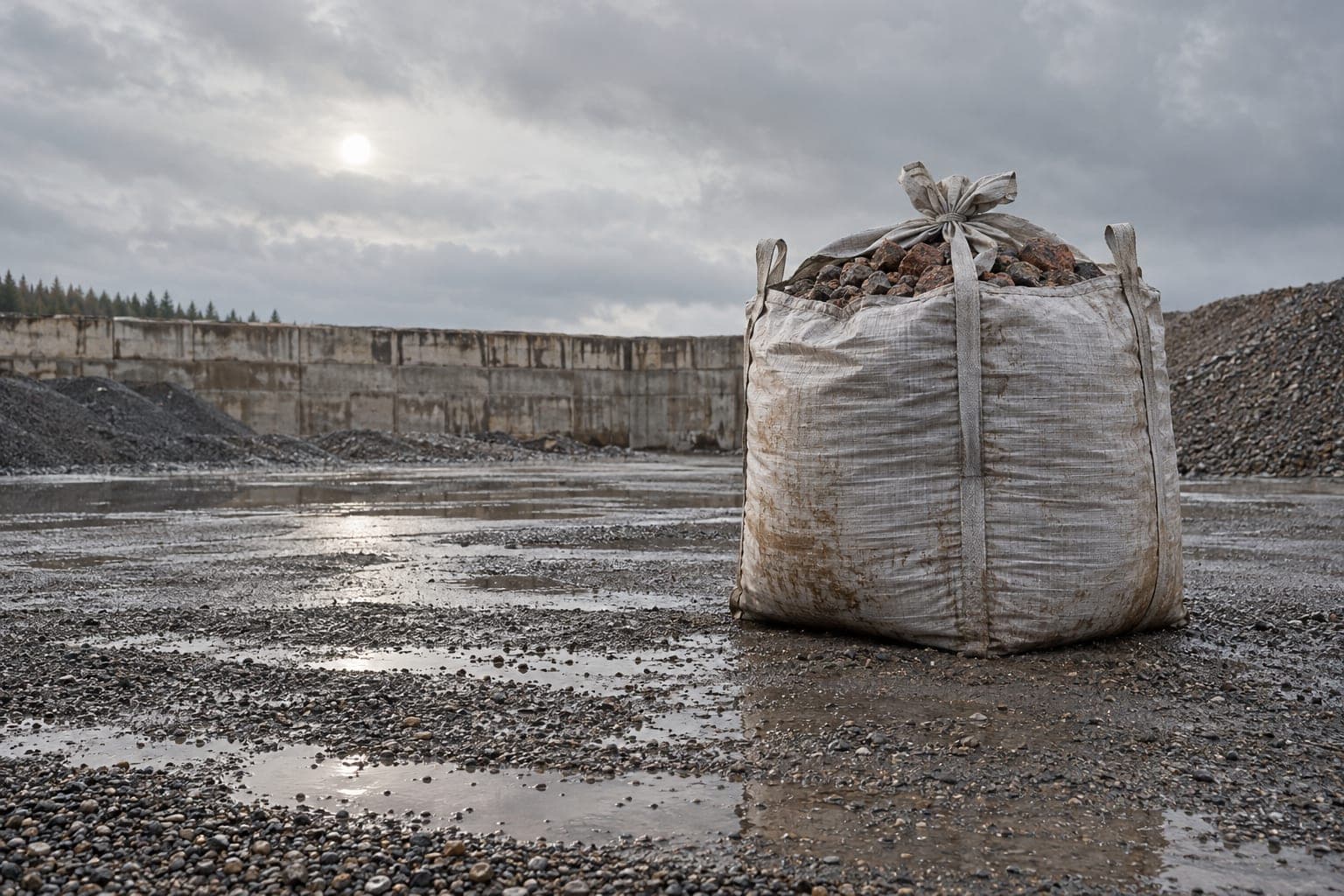
The plan calls for trucks to bring concentrate from PMET's Shaakichiuwaanaan property to Matagami's existing transshipment yard. There it would move to rail cars for onward shipment to a port, according to the Oct. 4 release.
The letter sets principles for infrastructure upgrades, operating arrangements and long-term transshipment services. PMET wants a definitive commercial agreement before making a final investment decision on Shaakichiuwaanaan, but gave no date for either step.
"Transshipment at Matagami is expected to provide a key link in our planned logistics chain, connecting concentrate trucked from the Project to onward rail transportation," chief operating officer Frédéric Mercier-Langevin said in the release.
Neither party has agreed how much it would contribute to the required upgrades, what the continuing service would cost or the detailed terms for operating the yard. The announcement also gave no contracted annual volume, destination port or timetable for starting shipments. Those terms remain subject to negotiation between PMET and the city.
PMET is developing its wholly owned Shaakichiuwaanaan property in Quebec's Eeyou Istchee James Bay region, where the company says an all-season road already reaches the site. Its lithium-only feasibility study declared 84.3 million tonnes of probable reserves grading 1.26 per cent lithium oxide at the CV5 pegmatite in 2025. The same study envisaged dense media separation to make concentrate at the mine, before the proposed truck and rail journey.
The study's output target describes potential mine production, rather than rail capacity secured by the Matagami letter. The release does not specify how much of that planned output the city's yard would handle or price a tonne of truck-to-rail transfer. Until the parties sign the commercial agreement, the transfer's contribution to project operating costs remains unknown.
PMET said Oct. 2 it had amended the 2025 study's technical report to correct disclosure and formatting after a Quebec securities regulator review. The company said those changes did not alter the study's economic or technical conclusions. It distinguished that filing from a separate feasibility update now in preparation that will include tantalum economics.
PMET intends to release that updated feasibility study in the fourth quarter of 2026.