LG Energy Solution secures 10‑year US lithium supply deal
The Arkansas material will comply with US rules covering prohibited foreign entities
 Joseph Morton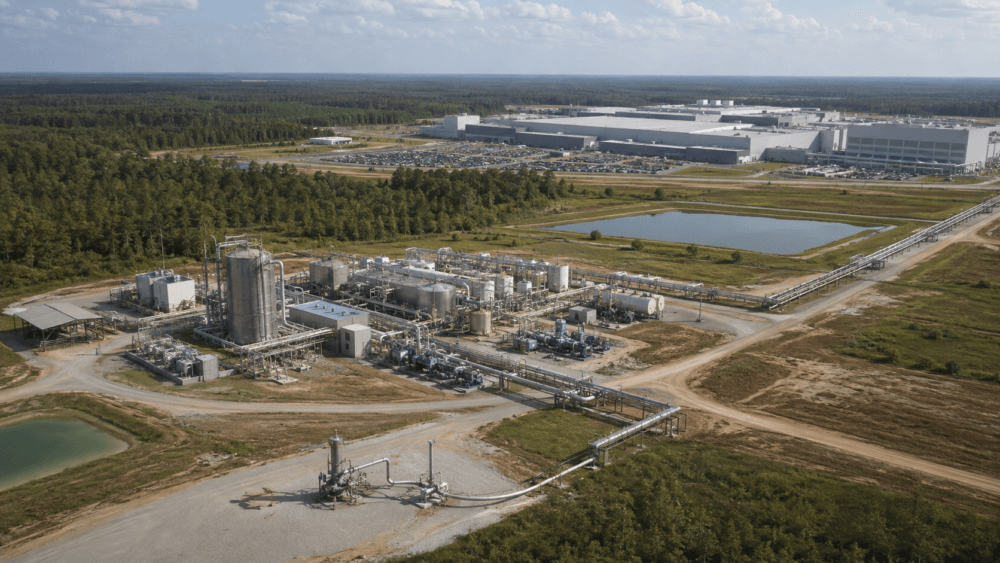
LG Energy Solution (KRX: 373220) has secured a 10-year supply of US-produced lithium carbonate for its North American battery manufacturing operations.
The South Korean battery maker will receive 8,000 metric tonnes of battery-quality lithium carbonate annually under the agreement, according to a Monday press release. Smackover Lithium will supply the material from its South West Arkansas Project beginning after commercial production starts.
Smackover Lithium is a partnership between Standard Lithium Ltd. (NYSEAMERICAN: SLI) (CVE: SLI) and Equinor ASA (NYSE: EQNR). The agreement could provide LG Energy Solution with approximately 80,000 metric tonnes of lithium carbonate over its 10-year term.
Additionally, the Arkansas material will comply with US rules covering prohibited foreign entities. Those requirements have become increasingly important as Washington promotes domestic critical mineral and battery supply chains.
LG Energy Solution plans to use the lithium carbonate for lithium iron phosphate battery cathodes. LFP batteries have gained popularity in energy storage because of their cost, durability and safety characteristics.
Meanwhile, the agreement gives LG Energy Solution another domestic source of a material essential to lithium-ion battery production. The company already operates seven production facilities across the US, including three standalone plants.
Several of those facilities can manufacture LFP batteries. Consequently, Arkansas lithium could move into an established domestic manufacturing network rather than relying heavily on overseas processing and transportation.
Standard Lithium CEO David Park said the agreement begins what the company expects will become a long-term relationship with LG Energy Solution. He also described the planned lithium carbonate as a sustainably produced US source for one of the world’s leading battery manufacturers.
Read more: Toronto records 80 lithium-ion battery fires as officials push for tighter regulation
Read more: CATL aviation battery passes key safety test for passenger eVTOLs
DLE processes selectively remove lithium using specialized extraction
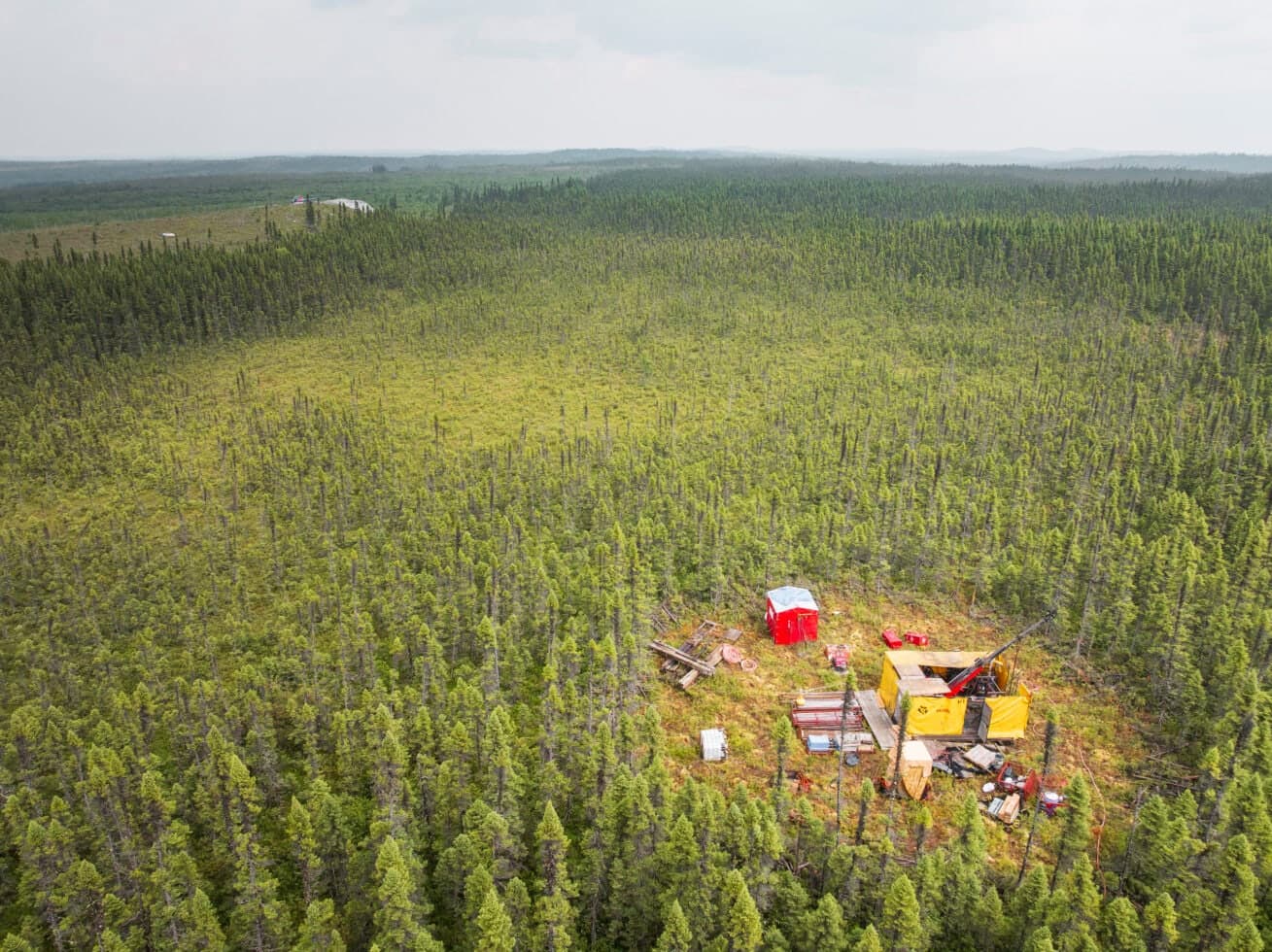
Smackover Lithium plans to produce the material from lithium-rich brines beneath southern Arkansas. The project will use direct lithium extraction technology rather than conventional hard-rock lithium mining or large evaporation ponds.
DLE processes pump underground brine to the surface and selectively remove lithium using specialized extraction systems. Operators can subsequently return much of the processed brine underground after removing the targeted lithium.
Additionally, developers say the approach can reduce the surface footprint required to produce lithium from brines. The technology could also shorten production times compared with traditional evaporation ponds, which can require months to concentrate lithium.
However, commercial DLE remains an emerging part of the global lithium industry. Developers must demonstrate that their technologies can operate economically at large scale while processing different brine chemistries.
The South West Arkansas Project targets the Smackover Formation, a geological unit containing lithium-bearing brines across parts of the southern US. Standard Lithium has spent years developing extraction technology and evaluating lithium resources within the formation.
Furthermore, Equinor joined Standard Lithium’s Arkansas development efforts through their Smackover Lithium partnership. The companies intend to combine Standard Lithium’s project knowledge with Equinor’s experience managing subsurface resources and large industrial developments.
LG Energy Solution Procurement Center Leader Kang Yeol Lee said the agreement will strengthen the company’s US supply chain. He said combining domestic sourcing and battery production should help the company remain competitive in strategic markets.
Meanwhile, North American electricity demand and energy storage deployment continue to increase demand for batteries and their raw materials. Battery manufacturers have consequently sought longer-term supply agreements to reduce exposure to volatile commodity markets and overseas supply chains.