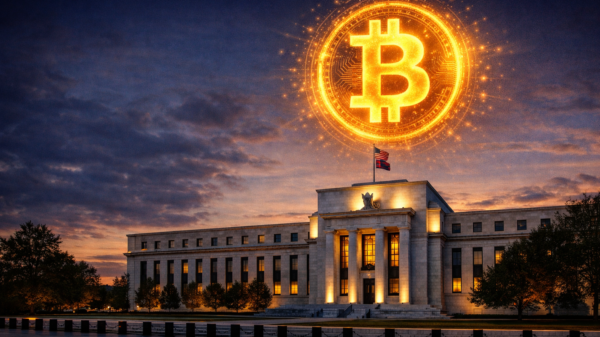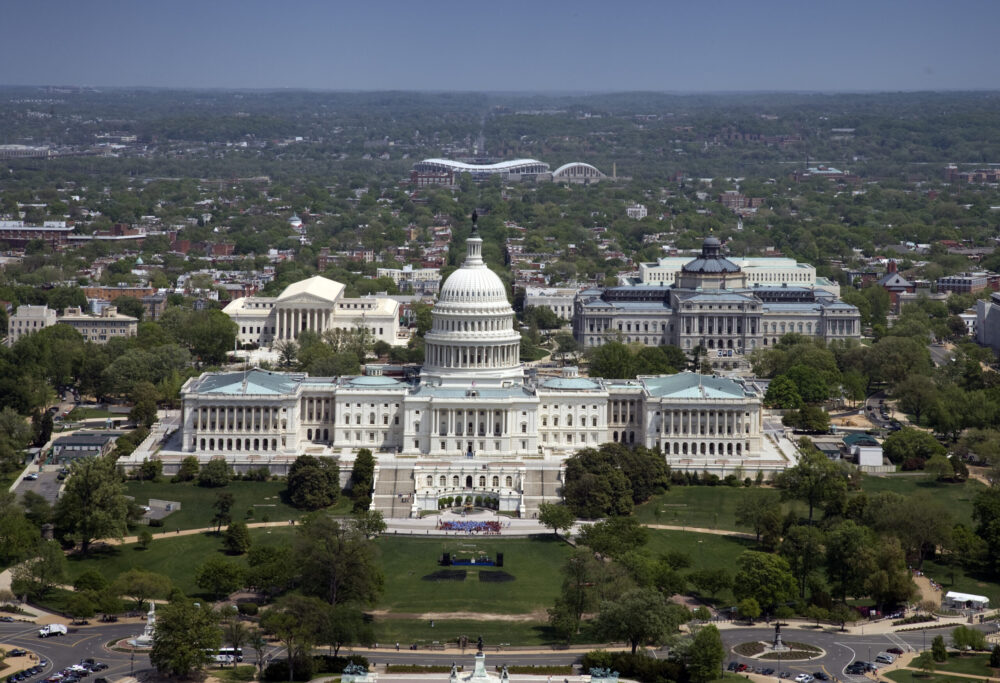

The U.S. Senate moved forward on a sweeping housing bill that would temporarily block the Federal Reserve from issuing a central bank digital currency. Lawmakers voted 84-6 on a cloture motion, clearing the way for full debate on the bipartisan package.
Announced on Monday, the legislation aims to expand supply and improve affordability. Additionally, it includes a provision that would prohibit the Federal Reserve from creating a CBDC through Dec. 31, 2030.
Senate Banking Committee Chairman Tim Scott and Ranking Member Elizabeth Warren backed the procedural vote. They described the measure as one of the largest housing packages in decades. Furthermore, they framed it as an early step to curb corporate landlords’ growing influence in residential markets.
The bill spans more than 300 pages and focuses primarily on housing reforms. However, lawmakers inserted the anti-CBDC language near the end of the document.
Title X, Section 1001 states that the Federal Reserve may not issue a CBDC or similar digital asset before 2030. Additionally, the text carves out an exception for any dollar-denominated currency that remains open, permissionless and private. It also requires that any such system fully preserve the privacy protections associated with physical U.S. currency.
Lawmakers did not center debate on digital currency during the cloture vote. However, House Republicans reportedly pushed to attach the anti-CBDC provision to the broader housing bill.
The White House signaled support for the legislation. Additionally, the administration pointed to both housing reforms and the digital currency restriction as key priorities. Officials said they want to halt development of a CBDC that could threaten personal privacy and civil liberties.
Read more: Cipher Mining Sells West Texas Stake to Canaan for USD$39.75M
Read more: Ripple opens crypto futures trading to big investors
Lawmakers negotiating digital currency provisions
Supporters of the restriction argue that a government-backed digital dollar could expand federal oversight of transactions. Conversely, critics of the ban say it may limit innovation in payments infrastructure. They also warn that other countries continue to explore digital currency systems.
The cloture vote does not guarantee final passage. However, it limits debate and allows the Senate to consider amendments. Lawmakers will now negotiate the final shape of the housing and digital currency provisions.
A central bank digital currency is a digital form of a country’s official money. Additionally, a CBDC would be issued directly by a central bank rather than a commercial bank.
In the United States, the Federal Reserve would create and manage a digital dollar. Consequently, individuals and businesses could hold digital funds backed directly by the government.
Supporters say a CBDC could modernize payments and reduce transaction costs. Furthermore, they argue it could improve access to banking services for underserved communities.
However, critics worry about privacy. They argue that a digital dollar might allow authorities to track transactions more easily than cash. Additionally, some fear it could shift deposits away from private banks.
A CBDC differs from cryptocurrencies like Bitcoin because the government would control its supply. It also differs from private stablecoins, which private companies issue but peg to existing currencies.
.