
Kentucky farmers Ida Huddleston and her daughter Delsia Bare recently turned down a US$26 million offer from an unnamed Fortune 100 AI company that wanted to convert part of their generational farmland into a massive data centre.
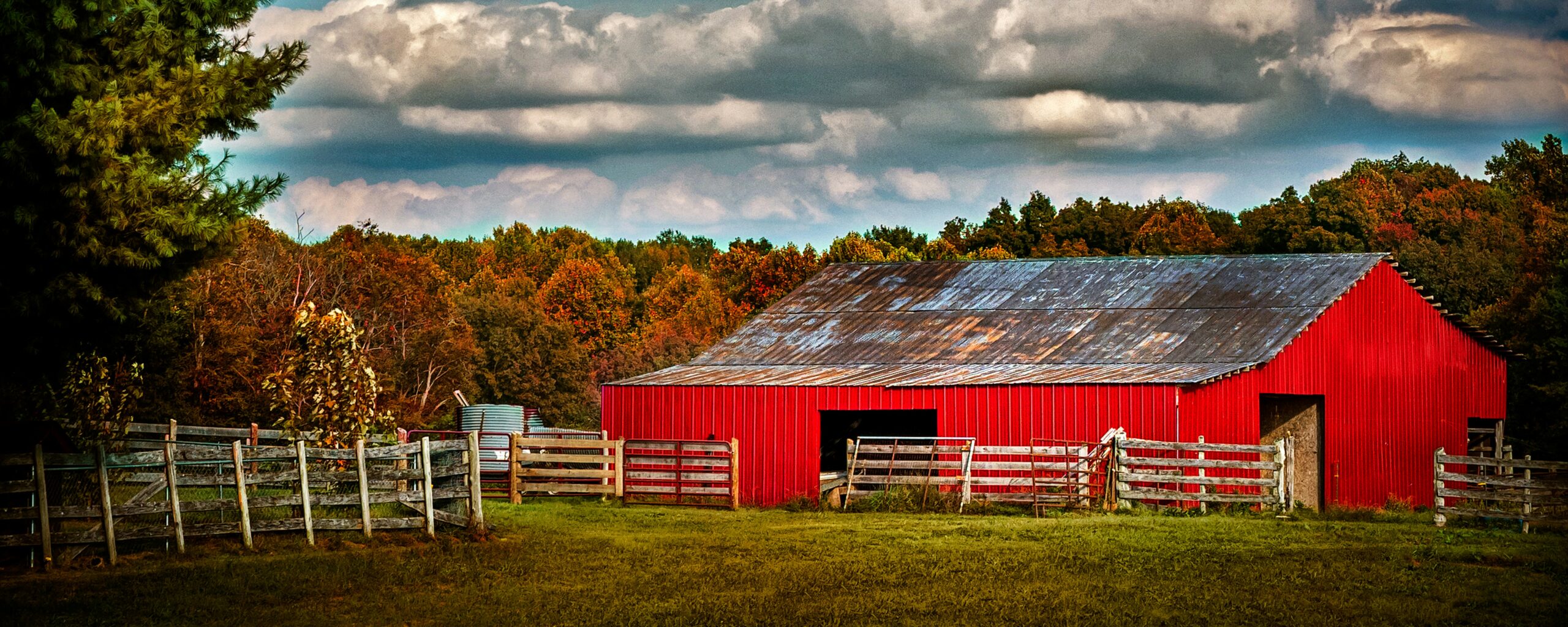
The family owns about 1,200 acres of land outside Maysville in Mason County, northern Kentucky. The developer proposed roughly US$4.26 million for Huddleston’s 71 acres and more than US$22 million for Bare’s 463 acres. The offer is equivalent to about 10 times the local market value of around US$6,000 per acre.
The mother and daughter refuse to sell because of their deep family roots on the property. Their family has stewarded the land for generations. Ancestors raised wheat through the Great Depression and helped feed bread lines across the United States.
Bare declared that the family will stay, hold the land and continue to help feed Americans. She told reporters that the property still supports her family and that no amount of money could replace it.
Huddleston, who is 82, dismissed the buyer’s persuasive promises of 400 permanent jobs and 1,500 construction positions for locals. The risks of disappearing food production, vanishing farmland, water shortages and potential poison from the project outweigh such economic stimulation in her eyes.
Since the pair firmly rejected the offer, suspected to have come from a major company like Amazon.com Inc (NASDAQ: AMZN) (FRA: AMZ), Meta Platforms Inc (NASDAQ: META) (FRA: FB2A) or Alphabet Inc (NASDAQ: GOOGL) (LON: 0RIH), the developer has revised its acquisition strategy.
It has secured land from other willing owners nearby and filed a zoning request to rezone more than 2,000 acres of property from agricultural to industrial. The massive computing project could still wind up in Huddleston and Bare’s backyard.
The two first received the offer in April last year and have been attracting attention this week for their continued refusal and the upcoming hearings about the rezoning. They will take place on Mar. 25 and 26 at Maysville Community and Technical College.
Large-scale data centres consume vast amounts of electricity and millions of gallons of water every day for cooling. They often rely on fossil fuels that increase carbon emissions, strain public utilities and risk contaminating groundwater. In many communities, these facilities can displace productive farmland and deliver fewer long-term economic benefits than promised while leaving lasting environmental damage.
According to the University of California, a 100-word AI prompt results in water consumption equal to a standard sized water bottle.
God bless this woman..
🚨Kentucky Farmers tells Big AI Data Centers to F-OFF rejecting their $26 million offer to convert part of their farm into a data center — they offered her 10 times the going rate for Farmland
"If it's my way, I'll stay and hold and feed a nation. 26… pic.twitter.com/o9GunY15aW
— MJTruthUltra (@MJTruthUltra) March 24, 2026
Read more: Major publisher Hachette pulls horror novel ‘Shy Girl’ over AI allegations
Follow Rowan Dunne on LinkedIn
rowan@mugglehead.com