Jaguar Uranium finds up to 3,570 ppm rare earth oxides in Berlin core
Selected historic core from Colombia also held magnet rare earth oxides, but continuity and recovery remain untested.
 Ines Halvorsen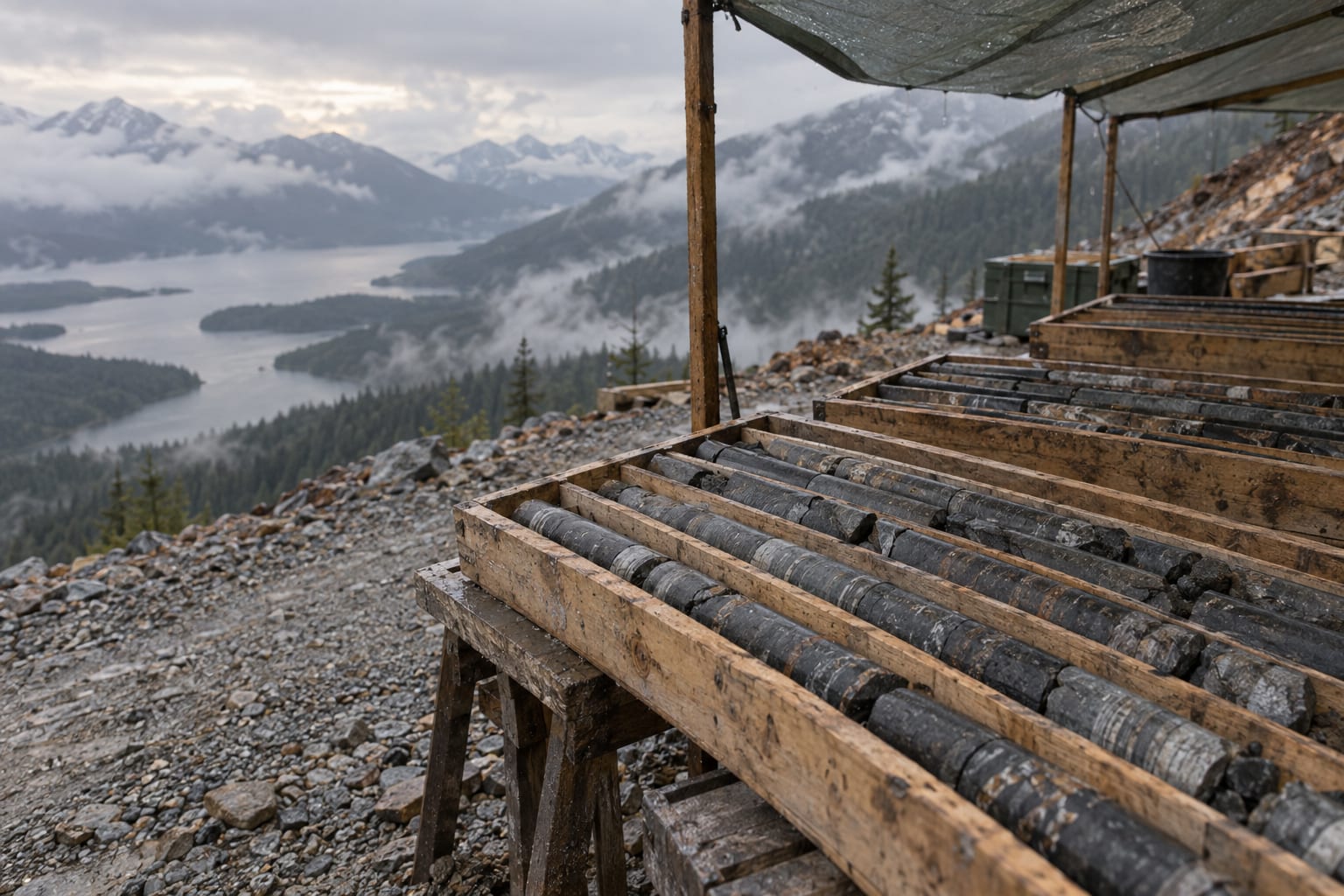
On Sept. 24, a 0.63-metre interval grading 3,570 parts per million total rare earth oxides led new assays from Jaguar Uranium Corp. NYSEAMERICANJAGU at its Berlin uranium asset in Colombia. Of that interval, 607 ppm were magnet rare earth oxides, a reported grade that cannot yet be translated into byproduct revenue without tested recovery and mineable tonnage.
The company's Sept. 24 release reports results from selected core drilled between 2010 and 2012, rather than new holes. Jaguar began a dedicated rare earth assessment on March 17, using preserved core to test whether the elements occurred with the property's uranium, vanadium and phosphate mineralization.
Jaguar shares NYSEAMERICANJAGU closed at US$1.55 at 4 p.m. EDT in New York on Sept. 23, down 0.64 per cent for that session. That close preceded Thursday's assays and does not measure a reaction to them.
Among the other selected intervals, hole DDB-003 returned 1.53 metres at 2,267 ppm total rare earth oxides. Hole DDB-068 returned 0.50 metres at 2,532 ppm, according to the Sept. 24 assays. Their magnet rare earth values were 329 ppm and 414 ppm, respectively. The highest total rare earth result came from 170.57 to 171.20 metres down hole DDB-041.
Jaguar also reported 1.00 metre at 2,176 ppm total rare earth oxides and 349 ppm magnet rare earth oxides in DDB-015. The four highlighted intervals range from 0.50 metre to 1.53 metres, all from preserved material rather than newly drilled holes.
The Sept. 24 assays put measured concentrations against rare earths Jaguar had identified as a target in March. The asset's potential byproduct value still depends on continuity and a recovery process; neither can be calculated from these selected assays.
"The initial results indicate that rare earth elements occur with uranium, phosphate and vanadium mineralization in the selected Berlin core intervals," Jaguar president and chief executive Steven Gold said in the release.
Selected Intervals Do Not Establish Recoverable Tonnes
Jaguar's March 17 assessment notice said more than 20,000 metres of historical drilling had taken place across the 9,053-hectare Berlin property. A large portion of mineralized core was believed to remain available for testing. Those figures describe earlier exploration and land area; they do not measure the rare earth inventory.
The company cautioned on Sept. 24 that the selected intervals need not represent the mineralized horizon as a whole. Additional drilling, continuity assessment, analytical review and technical studies would be required before the assays could enter geological modelling or mineral resource work.
Total rare earth oxides include a broader set than the four magnet rare earth oxides named in the release: neodymium, praseodymium, terbium and dysprosium. The assay figures describe rock chemistry. Jaguar has not established metallurgical recovery, an economic case or a mineral resource for the rare earths, its Sept. 24 disclosure says.
Read more: USA Rare Earth taps quantum computing to improve rare earth separation
Jaguar's March 17 plan put continued exploration and permitting across its portfolio in the second half of 2026.