GRAIL jumps 34% as FDA staff raise no major concerns on Galleri cancer test
The Molecular and Clinical Genetics Panel votes Wednesday on whether the multi-cancer blood test is safe, effective and worth its risks.
 Mara Quinlan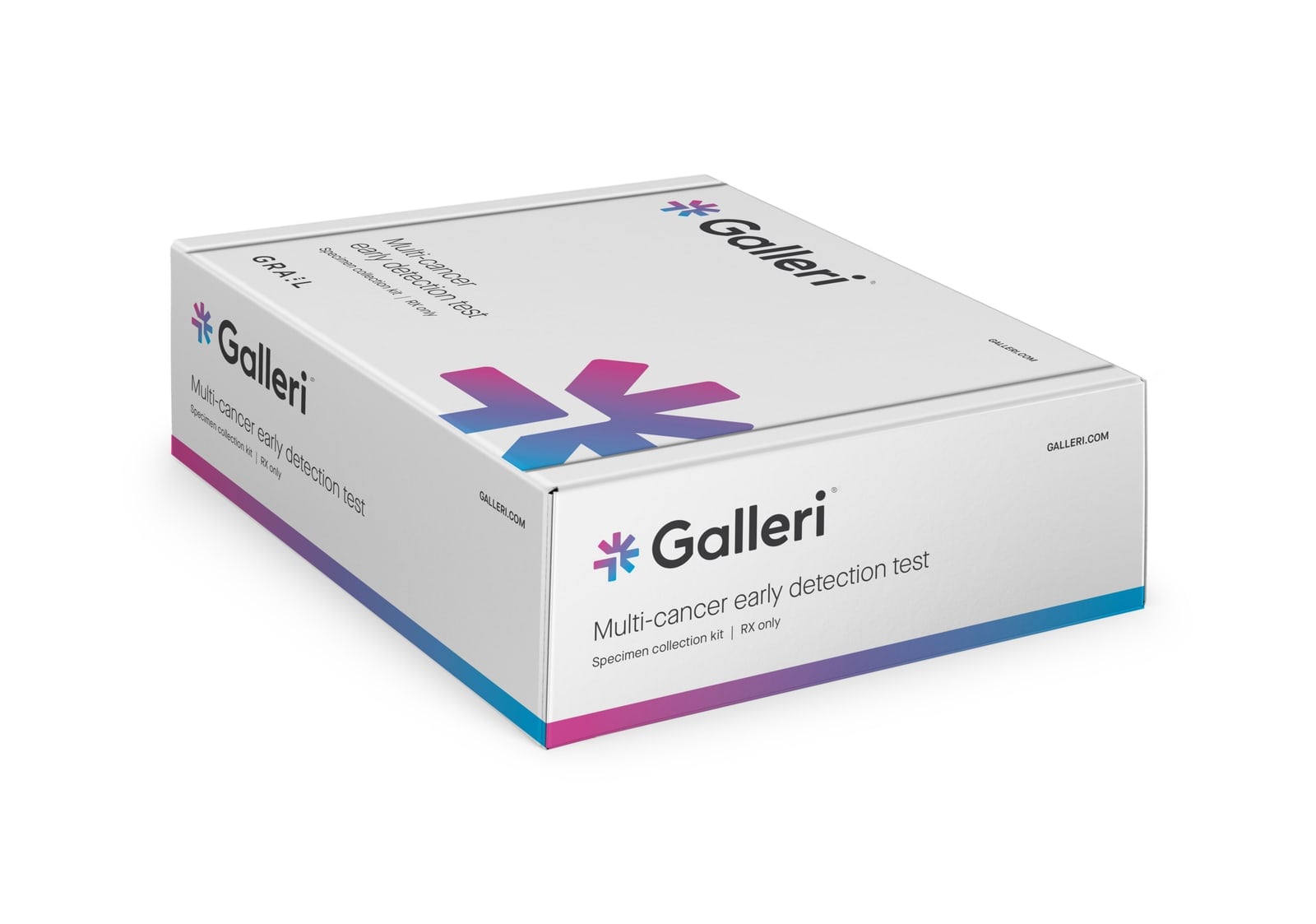
GRAIL, Inc. NASDAQGRAL rose 33.7 per cent to US$107.97 at the close in New York on Monday after the U.S. Food and Drug Administration posted the briefing package for Wednesday's expert review of its Galleri cancer screening test. The agency's Molecular and Clinical Genetics Panel votes that day on whether Galleri should be approved for screening adults aged 50 and older, and the FDA told the panel it has no outstanding questions about the test's primary safety analysis.
About 3.5 million shares changed hands, close to five times the average daily volume Nasdaq reports, and the stock reached US$111.50 during the session. It had closed at US$80.77 on Friday, and its range over the past year runs from US$39.30 to US$118.84.
GRAIL filed the last module of its premarket approval application on Jan. 29, built on the American PATHFINDER 2 study and the first screening round of the British NHS-Galleri trial. Galleri picked up 35.0 per cent of the cancers diagnosed within 12 months in PATHFINDER 2 and 31.6 per cent in NHS-Galleri, the agency's reviewers reported. Specificity was above 99.7 per cent in both, and the positive predictive value was 77.0 per cent in the American study against 66.2 per cent in the British one.
Read more: FDA panel to review GRAIL's Galleri multi-cancer blood test in September
What the reviewers left open is whether the test can be sold as an early detection test at all. They asked the panel to say whether Galleri's performance by cancer stage supports the claim GRAIL has written into its proposed labelling, and to consider an indication without the word if it does not.
"Please discuss whether Galleri performance by stage (overall and per cancer type) supports the proposed indications for use of 'early' detection of multiple types of cancer," the agency wrote in the executive summary prepared for the meeting.
The question follows the finding that sank the stock in February, when NHS-Galleri, which enrolled more than 140,000 people, produced no significant drop in combined stage III and IV cancers.
Read more: GRAIL plunges hard after 'Galleri' multi-cancer test fails to meet primary endpoint
The briefing package also sets out what a false alarm costs. Of the 218 PATHFINDER 2 participants who went through a diagnostic work-up after a positive result, 159 had at least one invasive procedure, and almost half of those later found to have no cancer were among them.
Neither Galleri nor Abbott Laboratories' NYSEABT Cancerguard, the other multi-cancer blood test on the American market, carries an FDA approval, Reuters reported on Monday, and approval is what brings physician guidelines and routine insurance coverage. GRAIL, based in Menlo Park, Calif., sells Galleri by prescription and reported US$42.6 million of test revenue in the second quarter against a net loss of US$110.2 million, with US$861.6 million in cash and short-term marketable securities on June 30.
The panel sits at the FDA's White Oak campus in Silver Spring, Md., from 9 a.m. Eastern on Wednesday and takes three votes: whether Galleri is safe, whether it is effective, and whether its benefits outweigh its risks. The agency is not bound by the answers.