FDA panel to review GRAIL's Galleri multi-cancer blood test in September
The application contains results from more than 70,000 participants enrolled in the intervention arm of the NHS-Galleri trial
 Joseph Morton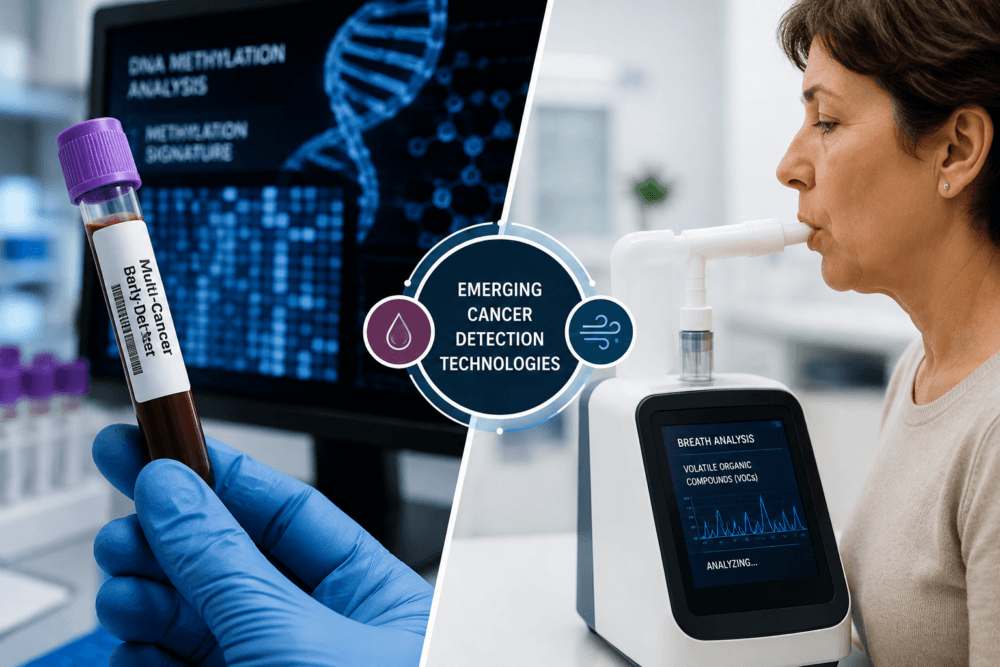
The U.S. Food and Drug Administration will convene an advisory committee next month to evaluate a premarket approval application for the Galleri blood test, a multi-cancer screening tool designed to detect cancer signals before symptoms appear through DNA methylation patterns.
The FDA’s Molecular and Clinical Genetics Panel of the Medical Devices Advisory Committee will meet on Sept. 23, 2026, to review the application.
The Galleri test aims to identify cancer-specific methylation patterns shared across multiple cancer types using a blood sample. It also attempts to predict where the cancer originated when it detects a signal.
Consequently, physicians can use that information to help guide follow-up diagnostic testing. The test is intended to complement existing cancer screening programs rather than replace guideline-recommended screening methods.
GRAIL inc (NASDAQ: GRAL) submitted its Premarket Approval application to the FDA on Jan. 29, 2026. The agency previously granted the test Breakthrough Device designation in 2018. Additionally, the submission includes performance and safety data from the U.S.-based PATHFINDER 2 clinical study.
That study followed 25,490 participants for one year. The application also contains results from more than 70,000 participants enrolled in the intervention arm of the NHS-Galleri trial.
According to the company, that study represents the largest randomized controlled trial of a multi-cancer early detection blood test in its intended screening population.
Furthermore, the submission includes an analysis comparing earlier versions of the test used in PATHFINDER 2 and the NHS-Galleri trial with the updated version submitted for approval.
The company said the comparison demonstrates consistency between the test versions.
The technology examines the methylome, which consists of chemical markers attached to DNA that help regulate gene activity.
Read more: Prestigious medtech intelligence firm recognizes Breath Diagnostics for innovation
Read more: Breath Diagnostics completes install of advanced mass spectrometry system
Galleri test designed to identify more cancers earlier
It combines that analysis with proprietary technology and artificial intelligence to identify cancer-associated patterns. Meanwhile, the company said the test can detect cancers that currently have no recommended routine screening options. Chief executive Josh Ofman said current cancer screening practices leave too many cancers undiscovered until symptoms develop.
He said many patients receive diagnoses after their disease has advanced beyond the stage where curative treatment remains possible. Additionally, Ofman said an estimated 70 to 80 per cent of cancer deaths involve cancers that lack routine screening programs.
He described the Galleri test as a technology designed to identify more cancers earlier, including many aggressive forms without established screening guidelines. The FDA advisory committee will review the available clinical evidence before providing recommendations on the company’s premarket approval application.
However, Galleri is only one of several emerging technologies seeking to reshape cancer screening. Researchers and medical companies are testing a range of approaches designed to detect cancers earlier, particularly those that currently lack recommended screening programs.
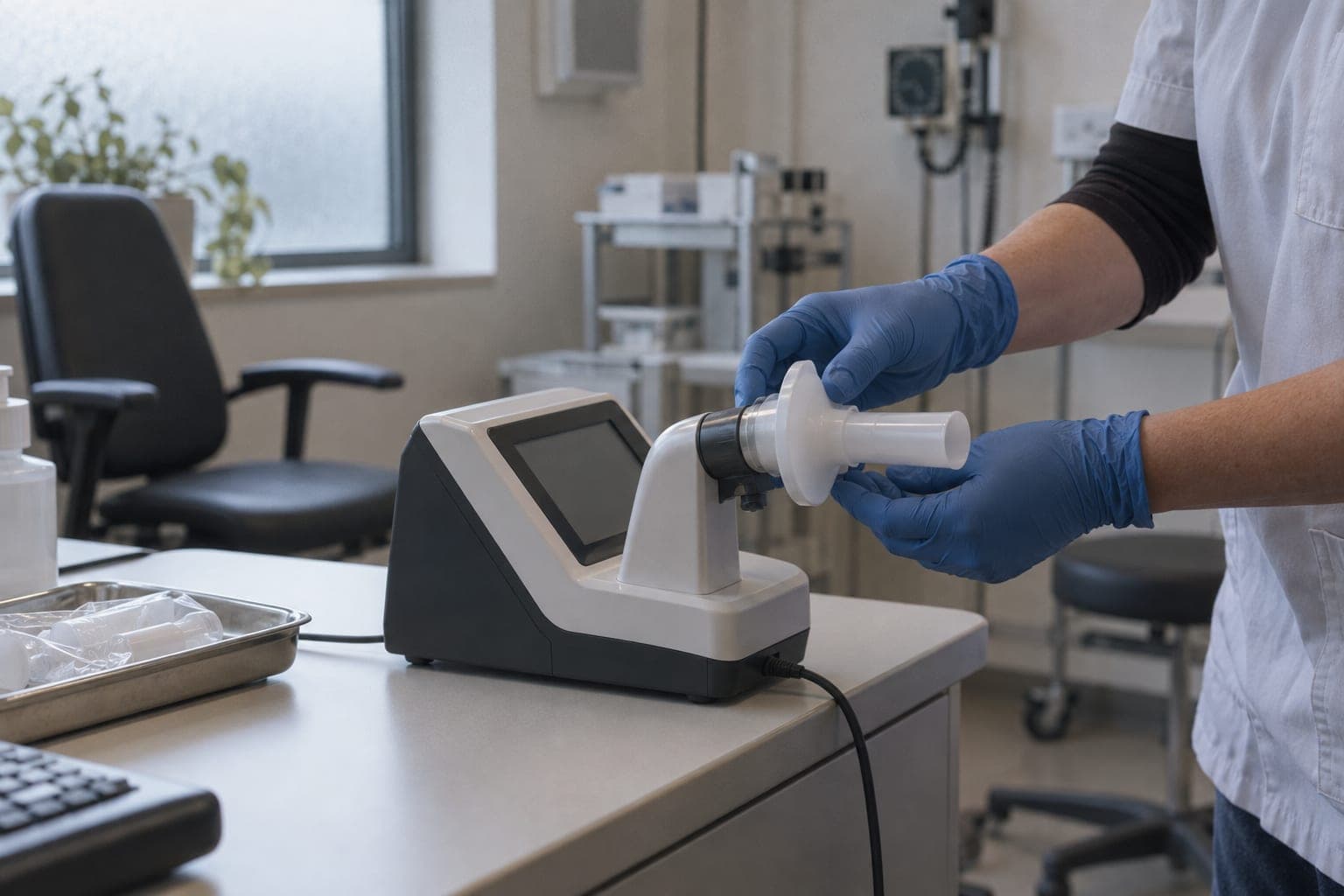
One promising area focuses on breath analysis. Companies including Breath Diagnostics and Owlstone Medical are developing tests that analyze volatile organic compounds in exhaled breath, which can change when cancer alters normal metabolism.
The non-invasive approach aims to identify chemical signatures associated with disease and could eventually complement conventional screening methods if ongoing clinical studies continue to produce positive results.