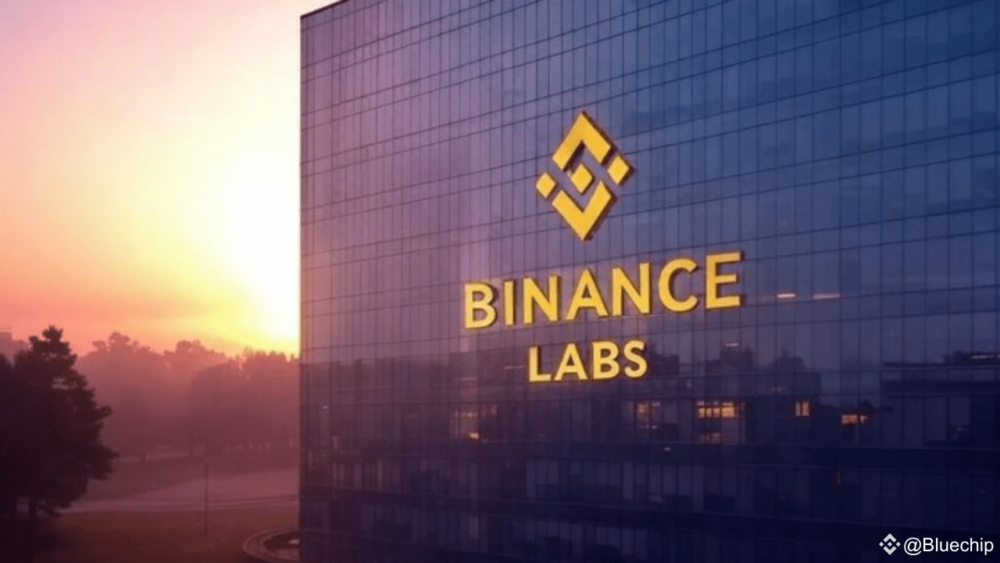

Internal investigators at cryptocurrency giant Binance uncovered suspicious transactions tied to Iran last year, then lost their jobs within weeks of reporting their findings to senior executives.
The investigators found that people in Iran had accessed more than 1,500 Binance accounts over the previous year.
Additionally, they traced roughly USD$1.7 billion in crypto flows from two Binance accounts to Iranian-linked entities. They flagged one account that belonged to a Binance vendor. They documented the transactions and escalated their concerns to top leadership.
Within weeks, Binance fired or suspended at least four employees involved in the probe. Additionally, the company cited alleged breaches of internal protocol tied to client data handling. The timing raised internal questions about whether the discipline related to the Iran findings. However, Binance denied any retaliation.
The episode unfolded as Binance tried to rebuild trust after a major legal settlement. In 2023, the exchange pleaded guilty to violating U.S. anti-money-laundering and sanctions laws. Consequently, Binance agreed to pay USD$4.3 billion in penalties. The company admitted it allowed users in sanctioned countries, including Iran, to access its platform. It also pledged to report any future lawbreaking to U.S. authorities.
Last year’s internal warnings surfaced before President Donald Trump pardoned Binance founder Changpeng Zhao. Zhao had served four months in federal prison in 2024 for his role in the company’s earlier violations. Meanwhile, the Trump family’s crypto venture, World Liberty Financial, built business ties with Binance. Zhao also attended a recent conference at Mar-a-Lago in Florida.
Read more: Judge keeps insider trading claims alive against Coinbase board
Read more: Ripple opens crypto futures trading to big investors
Several compliance officials have left Binance
Zhao later posted online that he had learned a lot from the event. However, he did not address the internal investigation. He stepped down as chief executive after the 2023 plea. He still holds a majority stake in Binance. Forbes estimates his net worth at nearly USD$80 billion.
Binance spokesperson Rachel Conlan said the company acted on the investigators’ findings. Additionally, she said Binance removed the accounts tied to the USD$1.7 billion in transactions. She added that the exchange notified authorities. She rejected claims that Binance knowingly allowed sanctions violations to continue.
Conlan said the disciplined employees did not face punishment for raising compliance concerns. Instead, she said some individuals improperly disclosed confidential client information. However, she did not detail the alleged breaches. She maintained that other staff continued the investigation.
Over recent months, several compliance officials have left Binance. Additionally, a sanctions manager and the head of enterprise compliance departed. Chief compliance officer Noah Perlman has also discussed leaving, according to a person familiar with the matter. Meanwhile, Binance has hired dozens of former law enforcement and regulatory officials since its plea deal.
Those specialists use blockchain analysis tools to trace crypto flows. They study public transaction records and link digital wallets to real-world actors. Additionally, they share information with global law enforcement agencies. They focus on detecting money laundering and sanctions evasion.
In mid-2025, Israeli authorities contacted Binance about suspected terror financing routes tied to Iran. Consequently, Binance launched an internal probe. Investigators examined a Hong Kong-based firm called Hexa Whale Trading Limited. The business later dissolved.
Read more: Treasury pushes spring deadline for crypto market structure bill
Read more: Ethereum Foundation elevates post-quantum security as quantum timelines accelerate
Crypto exchanges rely on fiat partners for currency conversions
Internal documents show Hexa Whale used Binance to send roughly USD$490 million to wallets linked to Iranian entities. Additionally, an Israeli official told Binance staff that Hexa Whale financed groups such as the Houthis in Yemen. The Houthis receive backing from Iran. Binance said it notified the U.S. Justice Department about Hexa Whale in October and removed the account.
Conlan said detection of attempted logins from sanctioned regions does not prove the company served sanctioned users. She added that certain Russian cargo vessels identified in the probe were not themselves sanctioned. However, investigators had found that a fleet of Russian ships used Binance accounts to pay crew members. They believed the ships tried to evade sanctions.
The most significant link to Iran involved a Hong Kong company called Blessed Trust. Blessed Trust acted as a fiat partner to Binance. Crypto exchanges often rely on such partners for currency conversions and payment processing. Additionally, internal messages show Blessed Trust listed Binance entities among its top customers by revenue.
Investigators discovered that roughly USD$1.2 billion in crypto flowed from Blessed Trust’s Binance account to Iranian-linked entities over two years. They traced connections between those entities and wallets associated with Iran’s Islamic Revolutionary Guards Corps. The United States has designated that group as a terrorist organization.
Conlan disputed the strength of those links. Additionally, she said multiple intermediary wallets separated Blessed Trust from the allegedly connected Revolutionary Guards wallets. She argued that several degrees of separation weakened any direct tie. She also said Binance had no control over Blessed Trust’s independent operations.
Read more: BlackRock brings USD$1.8B Treasury token to Uniswap in major DeFi push
Read more: TeraWulf buys Kentucky, Maryland energy assets to scale data and computing capacity
Blessed Trust never made payments to Iranian entities
Binance stopped using Blessed Trust as a vendor in January. Additionally, Conlan said the company shared information about Blessed Trust with the Internal Revenue Service and the F.B.I. She said Binance planned to submit a further report to the Justice Department. She insisted the exchange complied with its legal and reporting obligations.
Leung Ka Kui, a director of Blessed Trust, denied wrongdoing. He said the company did not knowingly facilitate transactions that breached sanctions. Additionally, he said Blessed Trust never made payments to Iranian entities. He described its work with Binance as routine operational disbursements, including invoice settlements and payroll.
Leung rejected any suggestion that Binance cut ties because of sanctions issues. However, he declined to comment on Binance’s internal decisions. He said the company categorically denied involvement with sanctioned actors.
In the fall, two internal investigators raised formal concerns about Blessed Trust and the Iranian transactions. Additionally, documents show their warnings reached chief executive Richard Teng and Perlman. In November, Binance suspended both investigators. The company then reassigned the probe to two other staff members.
Within days, Binance suspended those two employees as well. Additionally, it locked them out of internal systems. The swift actions fueled speculation among staff that leadership wanted to contain the issue. However, Conlan said the investigation continued under different personnel.
The controversy unfolds as policymakers debate the future of crypto regulation. Karoline Leavitt, the White House press secretary, criticized the previous administration’s approach to digital assets. Additionally, she described Zhao’s prosecution as part of what she called a broader war on cryptocurrency. She argued that the prior administration damaged the United States’ reputation for innovation.
Read more: Meta moves back into crypto with third-party stablecoin plan
Read more: Crypto.com moves closer to federal bank status with OCC nod
Crypto exchanges attractive to criminals
Binance remains the world’s largest crypto trading platform. At its peak, it processed up to two-thirds of global crypto transactions. Additionally, it generates revenue by charging fees on trades involving tokens such as Bitcoin and Ether. Its scale makes it a key gateway into digital finance.
Regulators have long warned that large crypto exchanges can attract illicit actors. Consequently, governments have pushed for stronger compliance controls. Binance’s 2023 plea deal marked one of the most significant enforcement actions in the industry. It forced the company to submit to ongoing monitoring and stricter oversight.
Despite those reforms, internal investigators still found complex transaction patterns tied to sanctioned jurisdictions. Additionally, they faced internal discipline after surfacing those findings. Binance says it acted responsibly and complied with all legal obligations. However, the sequence of events has drawn scrutiny from regulators and lawmakers who monitor sanctions enforcement in the digital asset market.
.