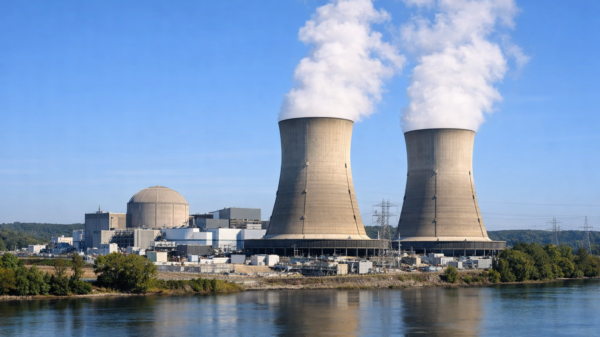

Romania has approved the final investment decision for a 462-megawatt small modular reactor project using technology from NuScale Power Corp. (NYSE: SMR), marking a major step toward building Europe’s first NuScale-powered SMR.
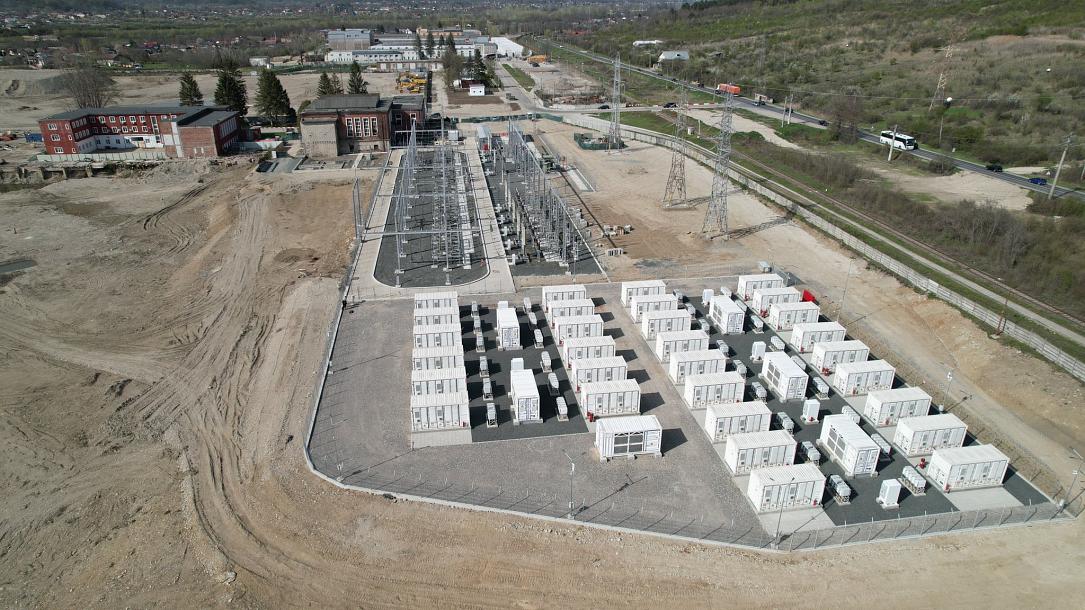
The project will rise at the former coal site in Doicești. Additionally, it positions Romania as one of the first European adopters of this reactor design.
For NuScale, the decision shifts the story from planning to deployment. The company now moves closer to constructing a commercial reactor in Europe.
Small modular reactors, or SMRs, are designed to be built in factories and assembled on site. Consequently, developers argue they can reduce construction risk and control costs compared with traditional large nuclear plants.
The Romanian project will roll out in phases. Initially, developers plan to build one module before expanding to a multi-module configuration.
However, full commercial operation remains years away. Extended timelines mean revenue growth could arrive more slowly than earlier expectations suggested.
NuScale’s design already holds approval from the U.S. Nuclear Regulatory Commission. Meanwhile, Romania’s backing offers the company a reference project as European governments reassess long-term energy security.
Several countries now seek low-carbon baseload power to replace coal and gas. Consequently, nuclear power has regained attention as a stable source of electricity that does not emit carbon during operation.
NuScale also announced a separate partnership with Oak Ridge National Laboratory. Additionally, the collaboration will explore how artificial intelligence can improve nuclear fuel management.
Engineers plan to study how multiple reactor modules use and share fuel. Furthermore, they aim to optimize operating cycles across a 12-module configuration.
Read more: NextEra explores nuclear growth as AI drives record U.S. electricity demand
Read more: Texas A&M to host first reactor in Trump’s nuclear pilot initiative
Developments connect a commercial build with technical innovation
Fuel represents one of the largest operating costs in nuclear power. Consequently, even small efficiency gains could improve long-term project economics.
The U.S. Department of Energy’s Gateway for Accelerated Innovation in Nuclear initiative supports the research. Meanwhile, officials describe the effort as a way to refine fuel use without redesigning the fuel itself.
The developments connect a commercial build with technical innovation. Additionally, they tie a real-world project to research that targets cost competitiveness. NuScale generates revenue from engineering and development services today. However, it still needs firm customer contracts and a robust supply chain to support full deployment.
Competitors such as Westinghouse Electric and Électricité de France SA also pursue advanced nuclear projects. Consequently, NuScale must demonstrate that customers will commit on terms that support its economic model.
Romania’s approval gives the company a potential European showcase. Meanwhile, the AI research signals a focus on long-term operating efficiency rather than only construction milestones.
Investors continue to monitor whether phased construction and extended timelines will affect valuation assumptions. Additionally, they watch for further regulatory approvals and financing agreements tied to the RoPower project.
.