Electricity, water concerns drive US data center backlash
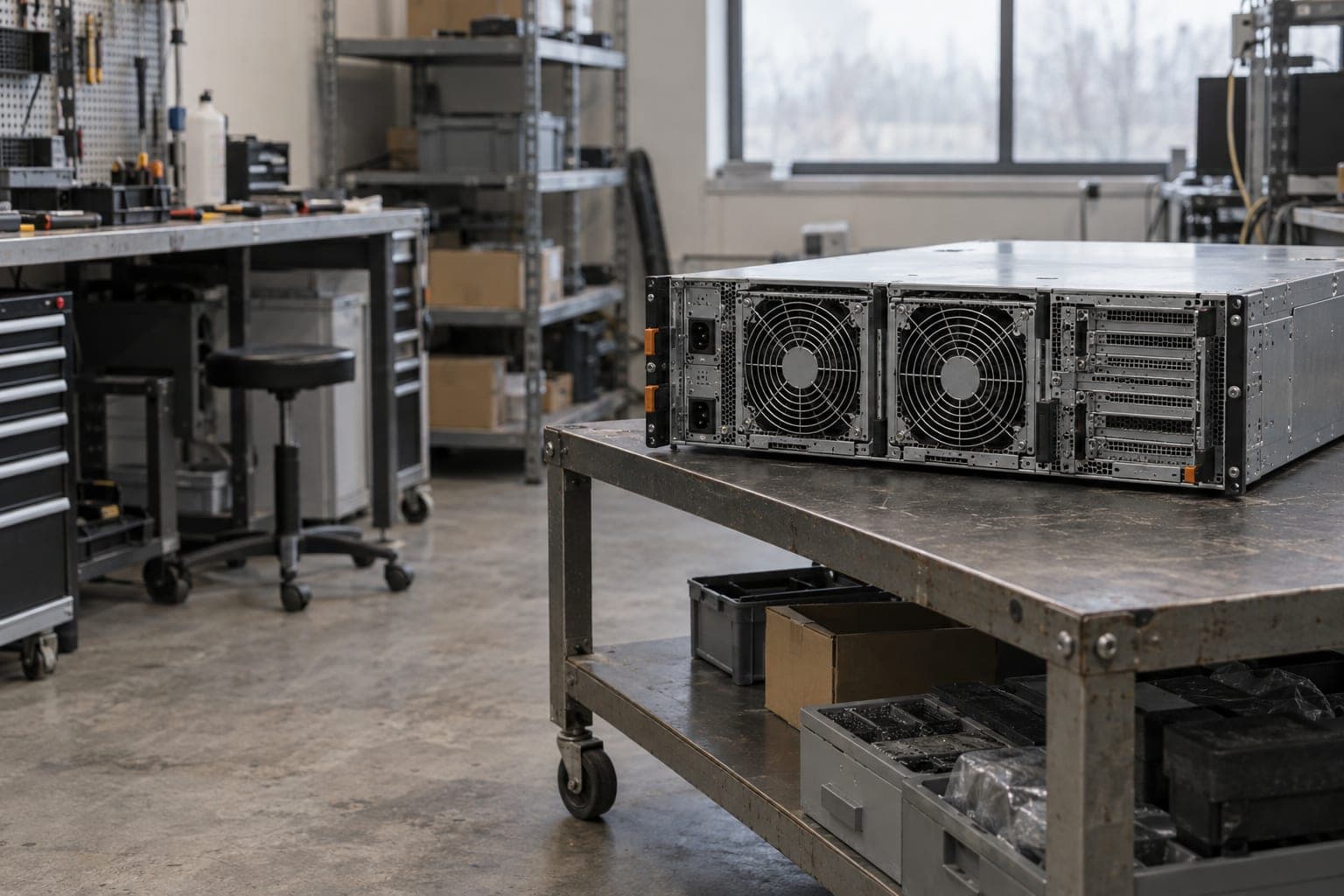
Data centers require enormous amounts of electricity, particularly facilities designed to train and operate artificial intelligence systems
 Joseph Morton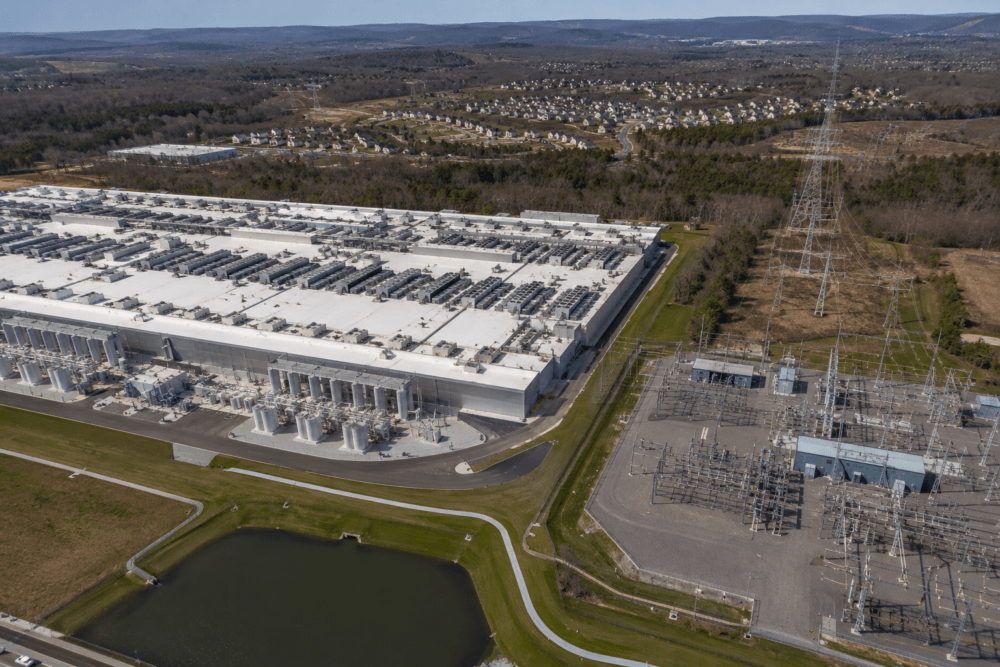
Local electricity, water and pollution concerns are driving growing U.S. opposition to data center development, according to researcher Andy Masley.
Masley reported the results of multiple polls on Tuesday examining why communities have increasingly resisted new data center developments across the country.
More than 100 protests have occurred simultaneously, while local governments have imposed moratoriums or blocked proposed projects.
Some industry supporters have blamed artificial intelligence skepticism, hostility toward large technology companies or even alleged Chinese influence.
However, Masley found that residents largely focus on what he calls object-level local environmental and economic harms.
Those concerns include rising electricity costs, heavy water consumption, noise pollution and emissions from dedicated power generation.
Additionally, data centers require enormous amounts of electricity, particularly facilities designed to train and operate artificial intelligence systems.
Grid operator PJM Interconnection must expand infrastructure to meet rapidly growing data center demand, with upgrades costing billions of dollars.
Those costs have often been spread across customers, contributing to substantial utility bill increases in areas served by the regional grid.
Consequently, some ratepayers have faced electricity price increases of as much as 76 per cent.
President Donald Trump subsequently pushed technology companies, utilities and state governors to sign a ratepayer protection pledge.
The pledge calls for AI companies to pay their own electricity costs rather than shifting them onto households.
However, the measure arrived after electricity prices had already increased for many customers within PJM’s large multistate service territory.
Oregon has gone further by requiring large electricity users consuming at least 20 megawatts to cover their share of infrastructure costs.
Read more: Bedrock Robotics pushes the envelope with autonomous excavators
Read more: IonQ Inc’s Skyloom expands US military laser communications network
One Georgia data center used 29 million gallons of water
Portland General Electric Co. (NYSE: POR) increased data center rates by 30 per cent while reducing residential rates by 1.3 per cent.
Additionally, water use has become another source of resistance in communities hosting or considering large data center projects.
Residents near two Georgia facilities and another Wyoming project have reported problems involving water pressure, drinking water quality or wastewater.
One Georgia data center used 29 million gallons of water, according to reporting examined by Masley.
Another Georgia community reported muddy tap water near a Meta Platforms Inc. (NASDAQ: META) data center.
Meanwhile, Cheyenne, Wyoming, suspended certain data center discharges after a contractor contaminated the city’s reclaimed water supply.
Noise has also generated complaints, including at a Michigan facility where residents compared the constant sound to a running household vacuum.
In addition, communities have raised concerns about emissions from temporary gas turbines and dedicated natural gas power plants serving data centers.
Masley cautioned that some media coverage can exaggerate problems or present resident concerns without enough technical or comparative context.
Consequently, communities may assume problems documented elsewhere will automatically appear at newly proposed facilities regardless of their individual designs.
Some developers have also intensified tensions by challenging local restrictions rather than negotiating around residents’ concerns.
Data center companies have filed lawsuits against jurisdictions that adopted bans or moratoriums on new developments.
Furthermore, one Pennsylvania municipality presented a developer with 43 conditions before it would support a proposed data center project.
The developer called the requirements too difficult and withdrew from negotiations before later submitting another application.
Local council members subsequently characterized that approach as an attempt to secure approval through a tantrum.
.