
Avicanna Inc (TSE: AVCN) (OTCMKTS: AVCNF) (FRA: 0NN) is supplying THC capsules to researchers at the University of Calgary for a new clinical trial that finds the best oral doses to reduce anxiety and stress.
Dr. Leah Mayo, a cannabinoid and psychedelics researcher from the school, is leading the Phase I study.
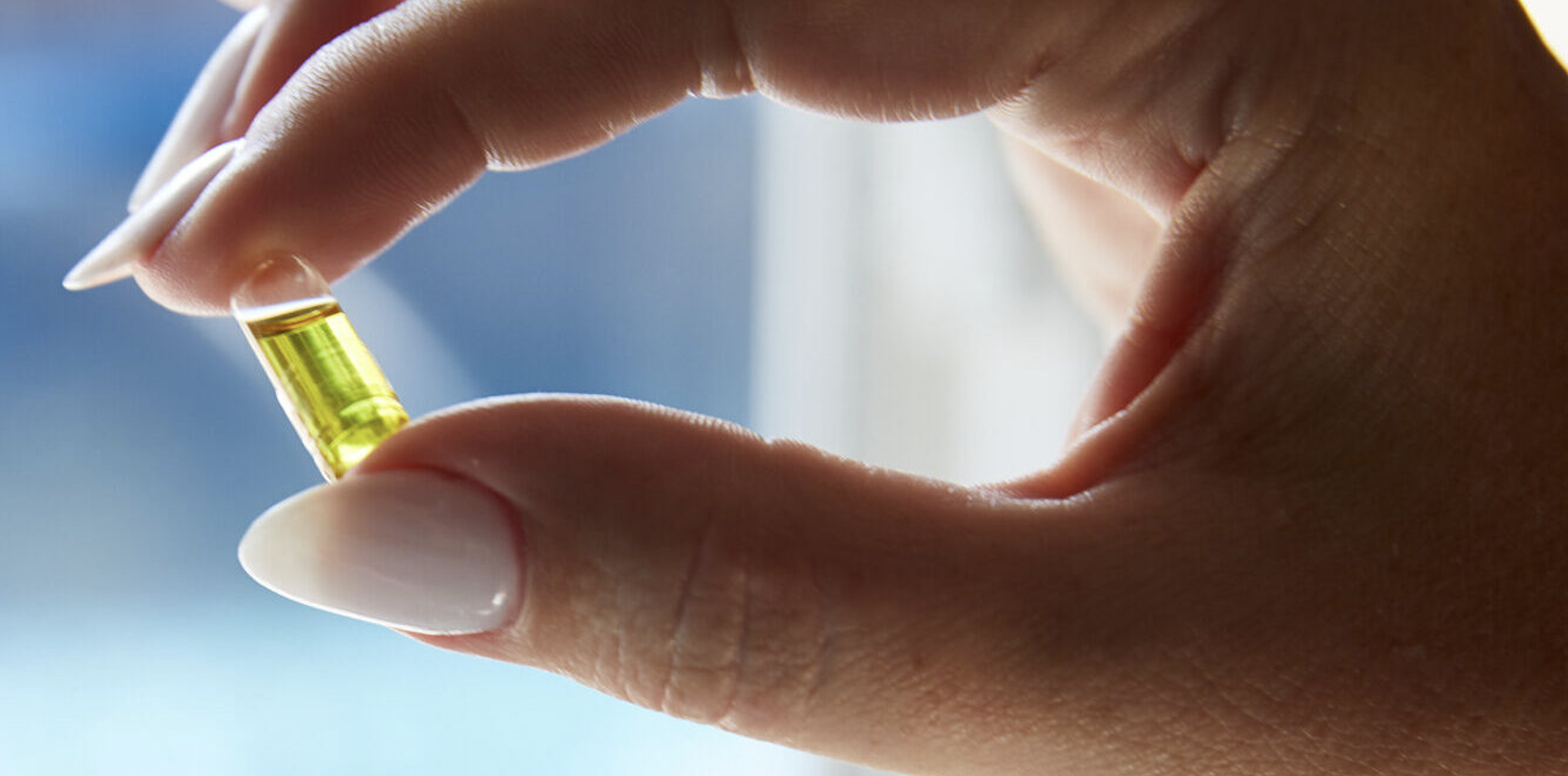
The randomized, double-blind trial began this month and involves 24 healthy adults. Participants swallow capsules containing 6, 9 or 15 milligrams of THC or a placebo during separate visits spaced by washout periods/breaks. These capsules (AVCN319301b) use a proprietary Self-Emulsifying Drug Delivery System (SEDDs) technology.
Scientists are tracking anxiety levels, mood changes, heart activity, stress biomarkers and how the body processes the compound. The goal is clear: they want to map the exact therapeutic window so doctors can prescribe oral THC with confidence and minimize side effects that vary widely from person to person.
“With some doses people feel a reduction in their anxiety but at higher doses they can feel an increase in anxiety,” Mayo explained in an interview with Global News. “So there’s a sensitive dosing window that we’re looking for and we’re not really sure how consistent that window is across individuals.”
Oral capsules are advantageous when it comes to medical cannabinoid usage because they deliver steady, precise doses without smoke or guesswork.
Read more: Aurora Cannabis announces pivot to ‘solely’ medical distribution
Study expands Avicanna’s Canadian research footprint
This sponsorship builds on Avicanna’s deepening ties with Canadian research leaders. The company already works closely with institutions across the country to gather real-world evidence on cannabinoid benefits.
In late January, Avicanna shared results from an observational study it was involved in at the University Health Network in Toronto. This project showed patients using medical cannabis reported less pain, better sleep, lower anxiety and depression, and higher overall quality of life.
At the University of Calgary itself, Mayo’s current research partner Dr. Matthew Hill recently co-authored a 2025 study that revealed stressed rats actively seek cannabis to cope. This investigation highlighted strong links between chronic stress and usage patterns.
The school also participates in national teams studying cannabis effects on brain health and cardiovascular risks. Meanwhile, Avicanna advances its own pipeline with delivery technologies that improve absorption, potentially setting the stage for more reliable medical products.
Avicanna’s balance sheet is improving
The biopharma company maintains a financial position that supports research efforts like these.
Avicanna generated approximately C$18.9 million in revenue over the nine months ended Sept. 30, 2025, with a solid gross margin of 52 per cent.
While the company has eliminated its debt and shown progress, such as positive adjusted EBITDA in earlier quarters of 2025 and a narrowed adjusted EBITDA loss of C$0.61 million for the nine-month period, operations remain near break-even overall.
Executives anticipate future growth from pharmaceutical pipeline advancements, including epilepsy treatments and expansion into over 22 international markets. This momentum would support funding for more studies like the University of Calgary trial and the development of evidence-based products, though this depends on successful execution amid sector challenges.
Read more: Canadian petition aims to make minimum cannabis consumption age 25, ban edibles
Follow Rowan Dunne on LinkedIn
rowan@mugglehead.com