
Scribe Therapeutics (NASDAQ: SCTX) is developing a one-time cholesterol treatment designed to avoid both daily medication and permanent gene editing.
The California biotech aims to silence a gene linked to high cholesterol without permanently changing a patient’s DNA sequence. Additionally, the approach could address one of the biggest weaknesses of existing cholesterol drugs: patients must keep taking them.
Scribe’s lead candidate, STX-1150, targets a gene called PCSK9, which helps regulate cholesterol levels in the bloodstream. The company designed a single dose to produce a long-lasting reduction in low-density lipoprotein cholesterol, commonly called bad cholesterol.
Scribe recently began testing STX-1150 in a Phase 1 clinical trial in Australia. Meanwhile, the company expects interim results from patients with high cholesterol during the first half of 2027.
Those results could quickly determine whether Scribe’s approach works well enough to justify further development.
Leerink Partners analysts want to see STX-1150 reduce LDL cholesterol by at least 50 per cent. Additionally, they believe that level could make the treatment competitive with several existing PCSK9-targeting medicines.
Those include Amgen (NASDAQ: AMGN) drug Repatha and Novartis (NYSE: NVS) and Alnylam Pharmaceuticals (NASDAQ: ALNY) drug Leqvio. Merck & Co. (NYSE: MRK) also recently received approval for Lipfendra, an oral PCSK9 inhibitor.
However, those medicines require patients to continue treatment to maintain their benefits.
Scribe instead wants one treatment to keep PCSK9 switched down for an extended period. Consequently, successful development could reduce the adherence problems associated with injections or daily pills.
Patients often struggle to consistently take medications for chronic conditions, even when those medicines work effectively. Missed doses can reduce the real-world benefit compared with results seen under controlled clinical conditions.
Read more: Prestigious medtech intelligence firm recognizes Breath Diagnostics for innovation
Read more: Breath Diagnostics completes install of advanced mass spectrometry system
Scribe compared with Verve Therapeutics
Scribe uses epigenetic silencing to pursue a longer-lasting effect. The approach changes how cells read genetic instructions rather than rewriting the underlying DNA code.
That distinction separates STX-1150 from permanent gene-editing approaches being developed for cardiovascular disease. Furthermore, Scribe believes avoiding permanent DNA changes could provide a better safety profile.
The company delivers STX-1150 using lipid nanoparticles, microscopic fat-based particles that transport therapeutic material into cells. Once delivered, the treatment aims to suppress PCSK9 production and lower circulating LDL cholesterol.
Investors will receive an early indication of whether that mechanism translates into meaningful results next year. Leerink described the upcoming data as a potentially significant valuation event for the newly public company.
The firm compared Scribe with Verve Therapeutics, another biotechnology company that pursued one-time cardiovascular treatments using gene editing.
Eli Lilly and Company (NYSE: LLY) acquired Verve last year for USD$1 billion upfront. Additionally, the deal followed early clinical results involving only 14 patients.
Those results showed safety and reductions in LDL cholesterol from Verve’s experimental base-editing treatment.
Scribe entered public markets at an unusually early stage for the current biotechnology IPO environment. Many recent biotech offerings have featured companies with later-stage programs and more clinical evidence behind their valuations.
However, Scribe completed its upsized IPO in July while STX-1150 was only entering human testing. The IPO raised approximately USD$148 million before expenses after underwriters exercised their overallotment option.
The company began trading July 24 and has since outperformed the broader biotechnology market. Its shares reached USD$31.05 at Wednesday’s close, up about 43 per cent from their first-day closing price.
Read more: Breath Diagnostics completes install of advanced mass spectrometry system
Read more: Breath Diagnostics advances pre-op pneumonia screening with FDA breakthrough designation
Scribe shares outperform biotech peers
Meanwhile, the SPDR S&P Biotech ETF has risen approximately 12 per cent during the past month.
Leerink banker Jack Bannister said Scribe’s pricing strategy deliberately left room for new investors to participate. He argued that biotechnology companies seeking aggressive IPO valuations have generally performed worse this year.
Scribe’s performance also compares favourably with two larger biotechnology debuts.
Kailera Therapeutics (NASDAQ: KLRA) priced a USD$625 million IPO in April before underwriters exercised their overallotment option. Additionally, Parabilis Medicines (NASDAQ: PBLS) priced an upsized USD$670 million offering in June.
Kailera shares had fallen 31.4 per cent from their first-day price as of Aug. 18. Conversely, Parabilis had gained 24.5 per cent over the same measure.
Leerink expects Scribe to outperform market expectations and assigned the company a USD$37 price target.
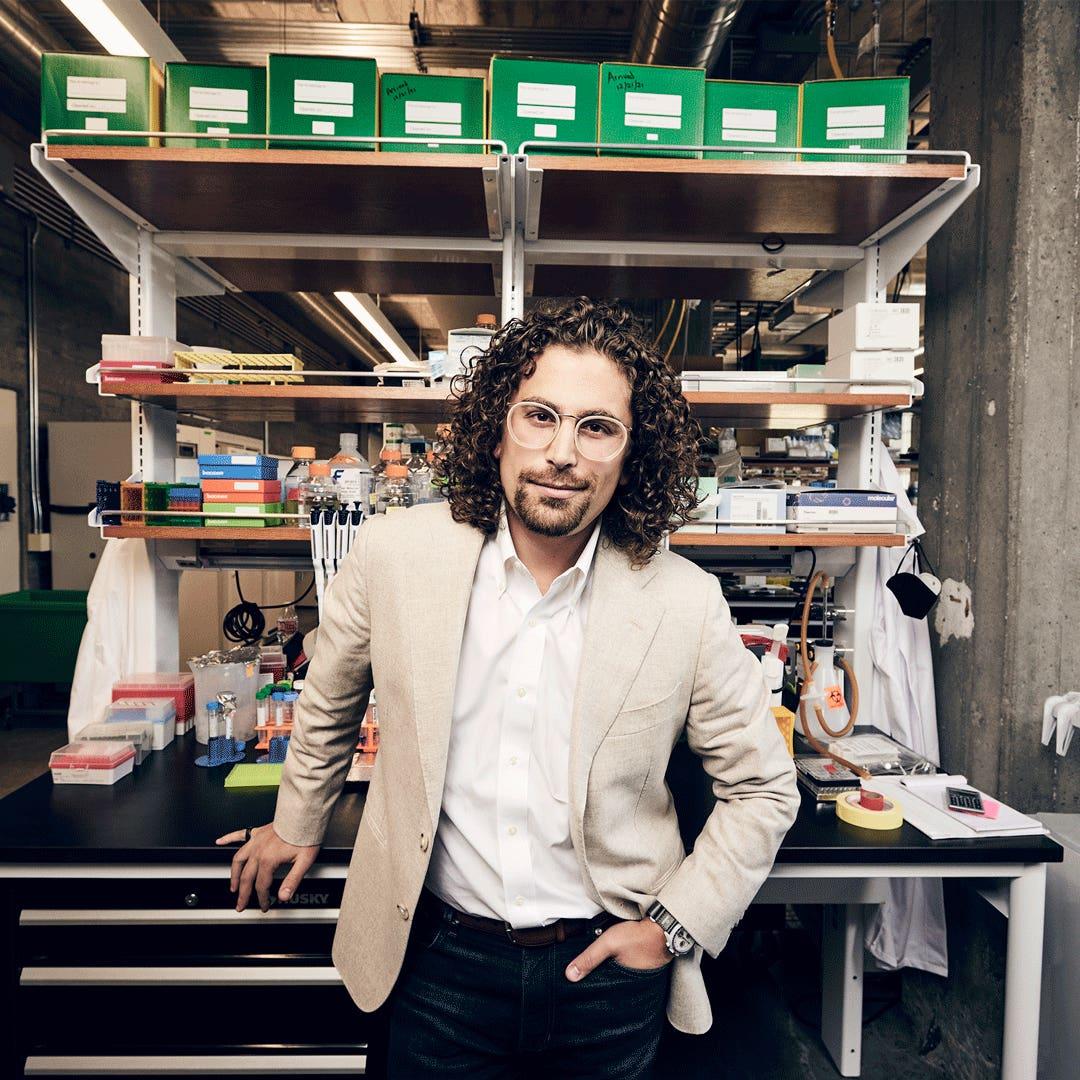
Scribe was co-founded by four CRISPR researchers, including CEO Benjamin Oakes and Nobel Prize winner Jennifer Doudna. Furthermore, the company has developed additional cardiovascular candidates around its gene-regulation technology.
STX-1200 targets lipoprotein(a), another blood particle associated with cardiovascular risk. STX-1400 targets severe hypertriglyceridemia, a condition involving dangerously elevated levels of another type of blood fat.
The company’s X-Editor platform also supports potential treatments beyond cardiovascular disease. Additionally, Scribe has secured partnerships with Sanofi (NASDAQ: SNY) and Lilly covering applications of its CRISPR technology.
Both pharmaceutical companies also invested in Scribe during its IPO.
Scribe expects its existing cash to fund operations into the first half of 2029.
.