
As the cancer testing industry expands rapidly, certain companies are pursuing access to more capital and innovative platforms to gain ground in a competitive field.
Freenome is now entering the public markets through a business combination with Perceptive Capital Solutions Corp (NASDAQ: PCSC), a special purpose acquisition company. The combined entity, renamed Freenome, Inc., will begin trading on the Nasdaq under the ticker symbol “FRNM” on Tuesday. The deal delivers roughly US$310 million in gross proceeds.
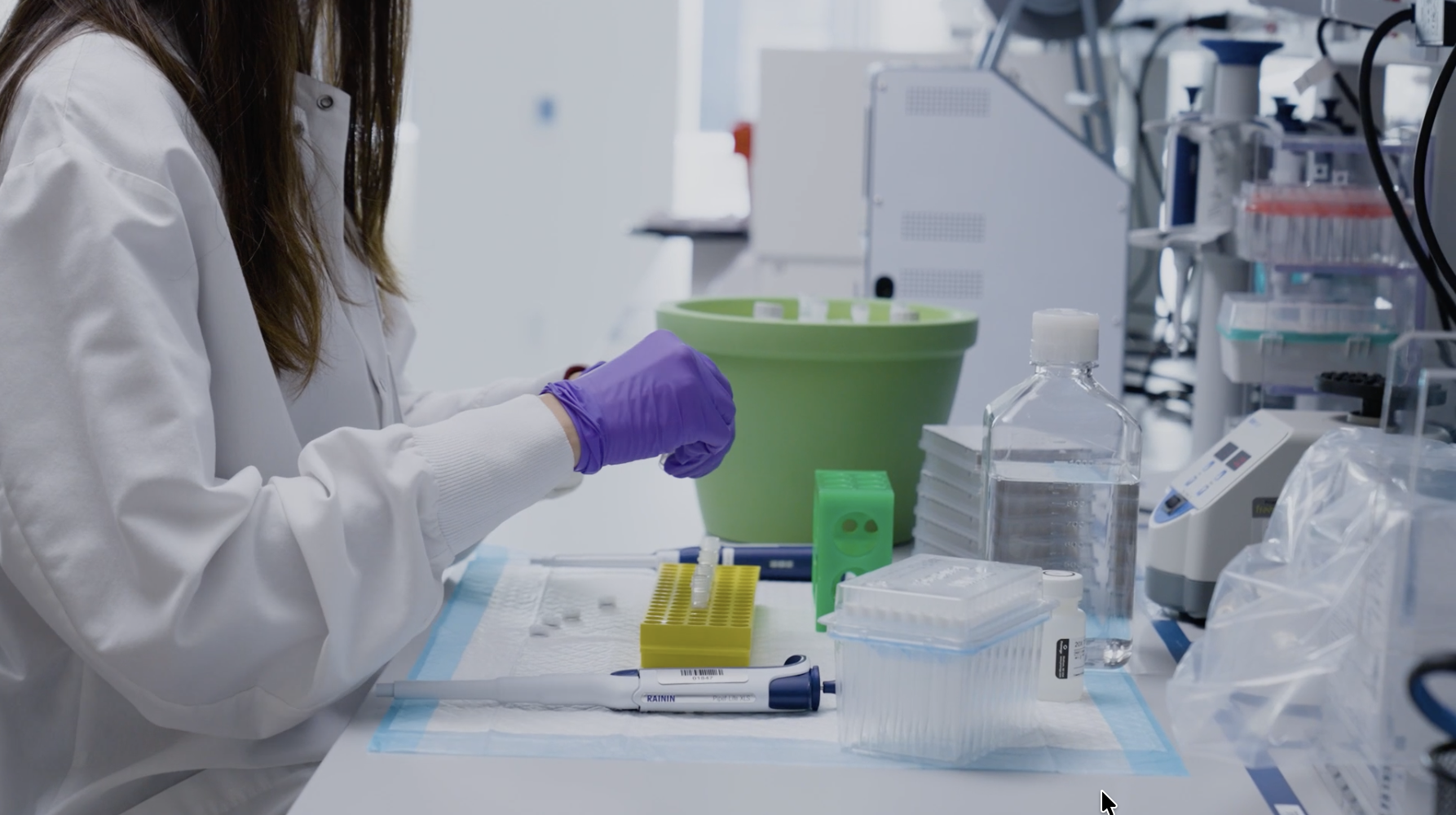
Freenome develops simple blood tests that aim to detect cancer early, before it spreads. The company examines signals in the blood using advanced computing and artificial intelligence. Its primary focus is colorectal cancer (CRC) screening while also advancing tests for lung and other cancers.
“With our platform clinically validated, our CLIA [certified] laboratory processing commercial samples, and transformative partnerships with Abbott Laboratories (NYSE: ABT) (ETR: ABL) and Roche Holdings AG Basel ADR Common Stock (OTCMKTS: RHHBY) in place, we can now focus on what matters most,” said chief executive Aaron Elliott, “scaling our portfolio of Personalized Cancer Detection screening tests and reaching the millions of Americans who remain unscreened today.”
Read more: Breath Diagnostics advances pre-op pneumonia screening with FDA breakthrough designation
Blood biopsies compete for share of early detection market
Freenome’s blood test approach joins an expanding group of blood-based tests that aim to improve screening rates by replacing more invasive options with a simple blood draw.
Guardant Health Inc‘s (NASDAQ: GH) (FRA: 5GH) Shield test received FDA approval as the first blood-based option for average-risk colorectal cancer screening and shows strong early commercial use.
Another major in the field, Natera Inc (NASDAQ: NTRA), focuses its blood tests mainly on checking whether cancer has returned after treatment, rather than on initial screening for the general population.
Exact Sciences, now owned by Abbott, partners with Freenome for American commercial rights to its colorectal cancer blood test (SimpleScreen). Exact had developed its own blood test candidate but adjusted its plans after clinical results fell short.
Freenome has reported that its updated SimpleScreen CRC test achieves improved performance over earlier versions, with recent validation data showing around 80 per cent sensitivity for colorectal cancer detection and better identification of advanced precancerous lesions at high specificity. These results position it as a competitor to Guardant’s offering while addressing limitations in pre-cancer detection that affect many blood-based tests.
I'm surprised by how little trading volume PCSC has just days before $FRNM is expected to begin trading. Freenome is a highly interesting company with the potential to play an important role in cancer detection, supported by remarkably strong test sensitivity metrics. pic.twitter.com/O5SUPR744i
— redeerF (@fr33d3r) July 20, 2026
Lung cancer screening advances through blood and breath
Freenome is making notable progress in lung cancer screening. Its multiomics platform, which combines DNA methylation analysis (a method that reads chemical tags on DNA linked to cancer) with protein markers, shows promising early data in detecting lung cancer across stages and subtypes in high-risk individuals. The company is also advancing the PROACT LUNG study to validate its test’s performance in current and former smokers.
Blood analysis has emerged as one of the most promising non-invasive methods for early lung cancer detection. In tandem, select medtech innovators have developed complementary approaches.
Breath Diagnostics’ OneBreath tech, which captures volatile organic compounds from a single exhaled breath through a microreactor and analyses them via mass spectrometry, is now well-advanced. Clinical studies on this standout breath test indicate high sensitivity for early-stage lung cancer, offering a radiation-free alternative that could expand screening access.
These parallel efforts in blood and breath testing highlight the industry’s drive toward more accessible early detection tools that could improve outcomes for lung cancer, which remains heavily under-screened despite its lethal nature.
Read more: Prestigious medtech intelligence firm recognizes Breath Diagnostics for innovation
Follow Rowan Dunne on LinkedIn
rowan@mugglehead.com