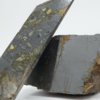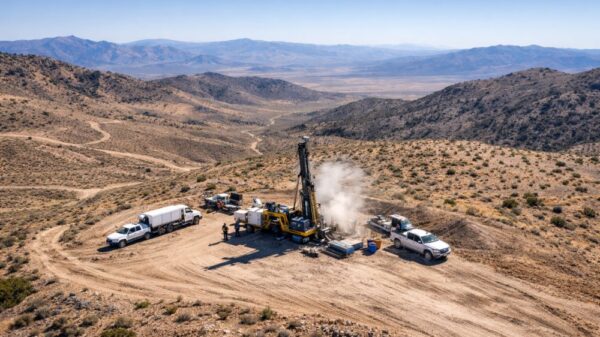

Mining companies keep running into the same frustrating delay. Crews pull rock cores from the ground during drilling, send them off to labs and then have to wait weeks or even months for the results. That slow wait holds up decisions, wastes time and lets costs keep rising while projects sit still.
This week, the Massachusetts Institute of Technology (MIT), Fieldstone Bio and TerraCore won a two-million-dollar contract from the United States Department of Energy to help fix this.
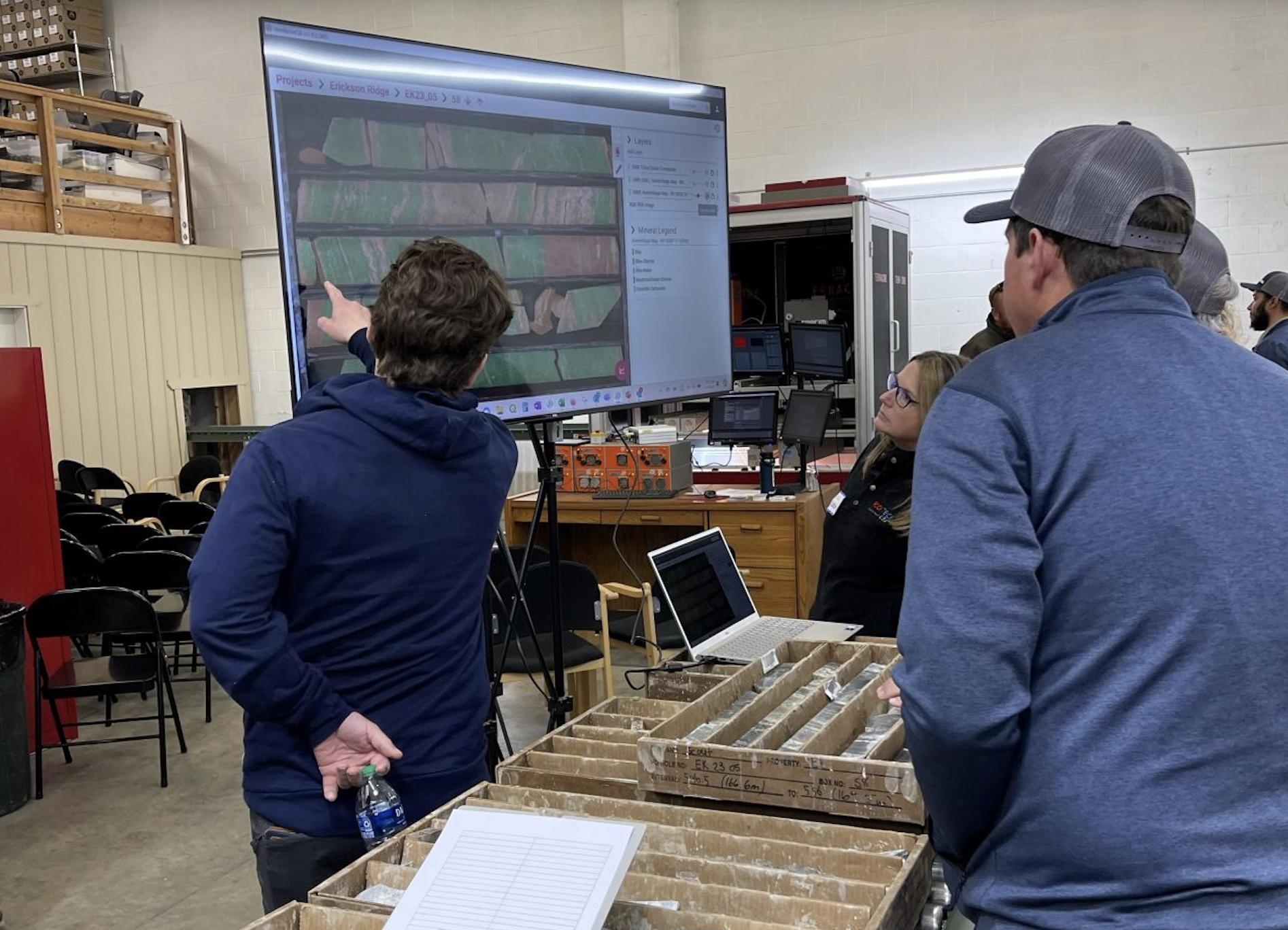
The consortium will build a portable kit capable of scanning rock cores at the drill site. The system relies on bio-engineered sensors that emit a signal upon contact with specific metals. Compact cameras capture this signal and instantly generate a visual map of the metal distribution along the core. Teams get the answers in hours instead of waiting for lab results.
The system gives direct readings and works with the tools mining teams already use. The partners will test it on fresh cores from active drilling sites with help from Idaho-based prospector Scout Discoveries Corp and will add sensors for more metals .
“The impact of this development on the natural resource industry cannot be overstated,” said TerraCore geologist David Browning. “This is a significant leap forward in creating real-time decision making.”
Fieldstone Bio creates the living sensors that detect the metals. TerraCore provides the camera systems that scan the cores and produce the maps.
Read more: NevGold Corp. reports antimony grades up to 53.7 per cent at Nevada project
What this could mean for American mining firms
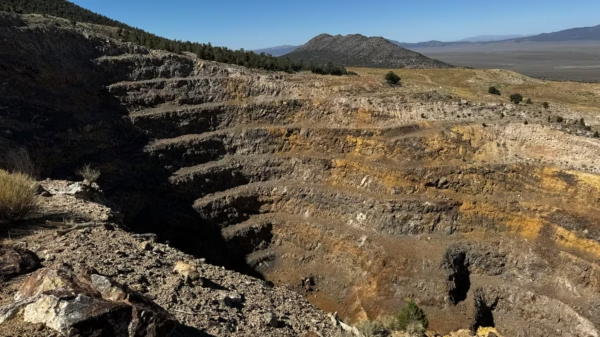
American mining companies working in states such as Idaho and Nevada could move much faster once this kit is ready. Exploration teams might finish their drilling programmes and build estimates of what lies underground far sooner.
Exploration companies like NevGold Corp (CVE: NAU) (OTCMKTS: NAUFF) (FRA: 5E50) in Nevada or US Gold Corp (NASDAQ: USAU) (FRA: DTUR) in Idaho, and others like them, stand to potentially complete their work with fewer delays and less wasted effort through its assistance.
By seeing results right on site, crews can decide straight away whether to drill more, change direction or stop. This speed could also help the United States find its own supplies of important metals for energy, manufacturing and defence without relying so heavily on imports.
Work has already begun to expand the sensors and run tests on real cores from active sites in the western U.S. If the trials go well, the technology could move into wider use across the exploration sector within the next few years and help companies discover resources more quickly and cheaply.
Whether the kit can match the precision of traditional lab assays under harsh field conditions, however, remains an open question.
Read more: NevGold launches 20,000-metre drill campaign at Nevada antimony-gold project
—————————————————————
NevGold is a sponsor of Mugglehead news coverage
—————————————————————
Follow Rowan Dunne on LinkedIn
rowan@mugglehead.com