
Pigeons have proven themselves surprisingly valuable in healthcare, using their sharp eyes to spot patterns that help scientists tackle tough visual challenges.
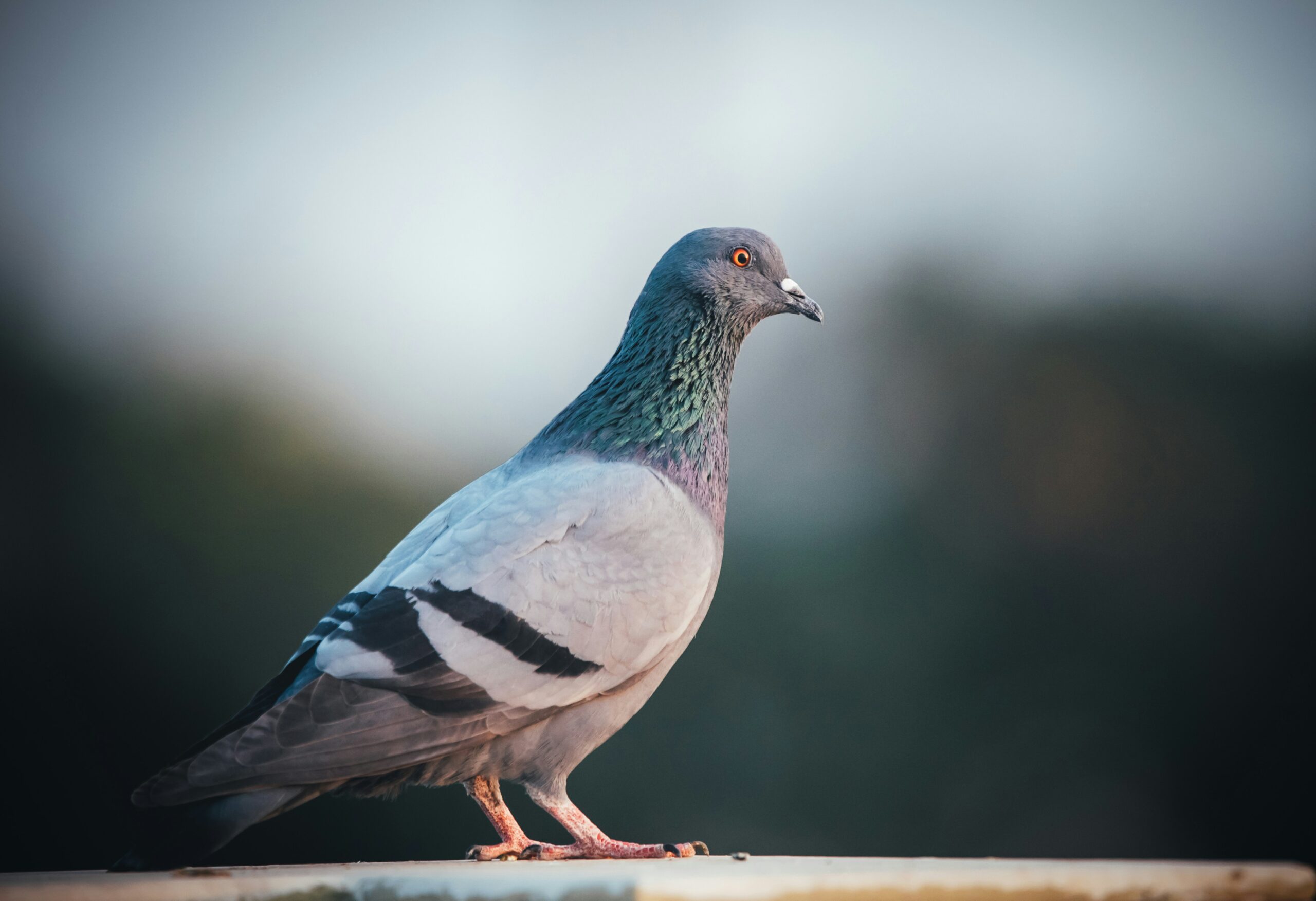
A major study published in February thrust these birds into the spotlight once more. Researchers trained six pigeons to watch short videos of CT scans and signal whether they showed potential lung growths.
The birds quickly learned the task and performed strongly. They also correctly identified other lung problems they were never specifically trained to find, such as damaged air sacs and hazy patches.
Scientists divided the pigeons into two groups. One group earned food rewards for correctly spotting the growths, while the other earned rewards for correctly identifying clean scans. Both groups mastered the skill and transferred it successfully to unfamiliar examples. The pigeons viewed dynamic, scrolling sequences of scan slices rather than single static pictures.
Researchers used eight adult male pigeons, mostly nine years old, in a custom setup with six of the birds successfully learning and performing the CT scan discrimination task. These details highlight how the birds rely on broad visual rules instead of memorising individual images. The work gives fresh insight into how people notice problems without full awareness, with potential to build better support tools for doctors.
“During test sessions, the pigeons’ performance remained excellent with trained items and showed considerable transfer to the novel ground glass nodules and emphysema,” the authors specified in the study.
This ability offers real benefits to healthcare professionals who screen for lung cancer. Doctors often review hundreds of scans every day, and subtle signs of early growths can easily go unnoticed amid busy workloads or reader fatigue. Pigeons demonstrate exceptional consistency in spotting these patterns without tiring or carrying human biases.
Understanding exactly what visual features the birds latch onto could help create smarter computer systems that flag suspicious areas for radiologists to review. In the long run, this could lead to faster diagnoses, fewer missed cases, and better outcomes for patients at risk of lung cancer.
Read more: Breath Diagnostics advances pre-op pneumonia screening with FDA breakthrough designation
Pigeons have demonstrated their worth before
Scientists have explored pigeons’ talents in medical imaging for more than a decade. In a landmark 2015 study published in PLOS One, pigeons learned to distinguish healthy breast tissue from cancerous tissue on microscope slides and mammograms.
After training, single birds reached about 85 per cent accuracy, while groups of birds working together achieved up to 99 per cent accuracy, rivalling human experts. The birds successfully applied their knowledge to images they had never seen before, proving they grasped genuine visual differences.
Further experiments from this investigation showed that pigeons can spot cancer clues on X-rays. Across these studies, the birds handled both tissue samples and scan images effectively. Researchers appreciate them because they focus purely on visual processing, free from human biases or tiredness.
It remains deeply ironic that pigeons help detect lung cancer on scans even though their droppings can trigger serious lung problems in people through fungal exposure.
Read more: Breath Diagnostics completes install of advanced mass spectrometry system
Follow Rowan Dunne on LinkedIn
rowan@mugglehead.com