
BMW Group (ETR: BMW) and Quantinuum have expanded their quantum computing collaboration into a multi-year partnership focused on advanced materials research for future mobility technologies. The agreement builds on four years of joint work exploring how quantum systems could improve fuel cells, batteries and industrial chemistry applications tied to cleaner transportation.
The companies began collaborating in 2021 on quantum algorithms designed to solve difficult chemistry problems. Since then, the research has evolved toward simulations of molecular systems tied to catalytic reactions and energy-related materials. Additionally, the partners said the extended agreement could become one of the longest-running collaborations between a commercial enterprise and a quantum computing company.
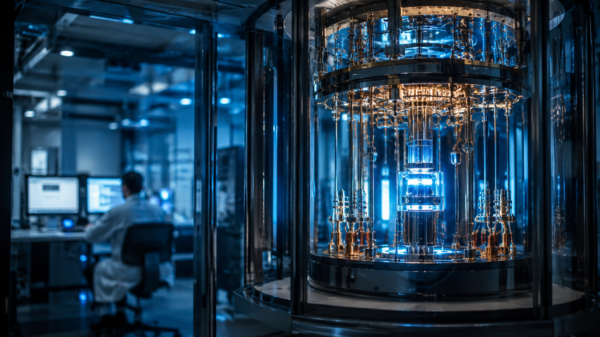
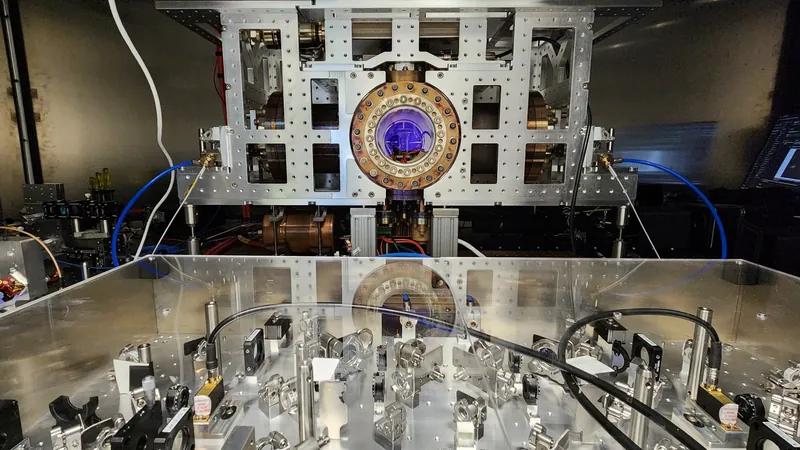
BMW researchers currently use Quantinuum’s trapped-ion quantum architecture to model electrochemical processes linked to sustainable mobility technologies. These simulations aim to improve scientists’ understanding of catalyst behaviour and reaction pathways inside fuel cells. Furthermore, the companies believe quantum computing could eventually lower development costs for advanced materials.
BMW plans to use several generations of Quantinuum hardware under the new agreement. The work will include the company’s existing Helios quantum computer alongside future systems named Sol and Apollo, scheduled for release in 2027 and 2029 respectively. Consequently, researchers expect to test improvements incrementally as the systems become more powerful.
Dr. Martin Tietze, BMW’s vice president of new technologies, said the automaker has explored quantum computing for years. He explained that partnerships with companies like Quantinuum help BMW convert advances in quantum hardware into practical industrial applications. Additionally, he said the research supports long-term development efforts for future vehicle platforms and materials optimization.
Read more: IonQ outlines blueprint for fault-tolerant quantum computer using trapped ions
Read more: Canada launches CAD$900 million defence strategy to advance quantum and AI capabilities
The partnership produced a major research milestone last year
Quantinuum said fault-tolerant quantum systems remain central to the project’s future goals. The company believes more advanced hardware could help BMW study oxygen reduction reactions involving platinum catalysts, which remain critical components inside fuel cells. In addition, improved catalyst simulations could potentially increase energy efficiency while reducing reliance on expensive materials.
“Quantinuum is focused on driving commercial adoption of quantum computing through close collaboration with industry leaders on high-impact applications,” said Dr. Rajeeb Hazra, President and CEO of Quantinuum.
The partnership already produced a major research milestone last year. In 2024, Quantinuum, BMW and another commercial partner became the first organizations to simulate catalytic performance on a quantum computer with findings later published in the journal Nature.
Meanwhile, the collaboration has expanded beyond theoretical computing research. Scientists, chemists and engineers from both organizations now work together through a long-term cross-disciplinary program focused on industrial-scale mobility challenges.
.