
Barrick Mining Inc. (TSE: ABX) (NYSE: B) has been fined CAD$52,500 after regulators found it released heavy metals from a retired British Columbia mine into a local waterway.
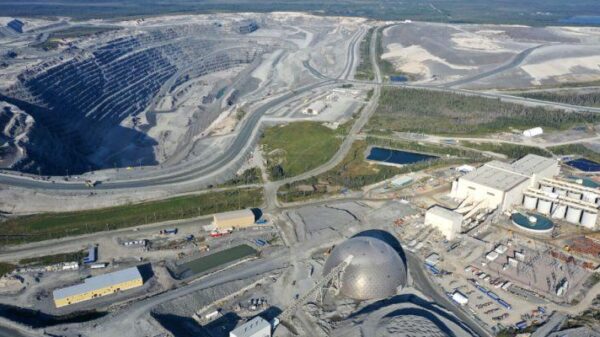
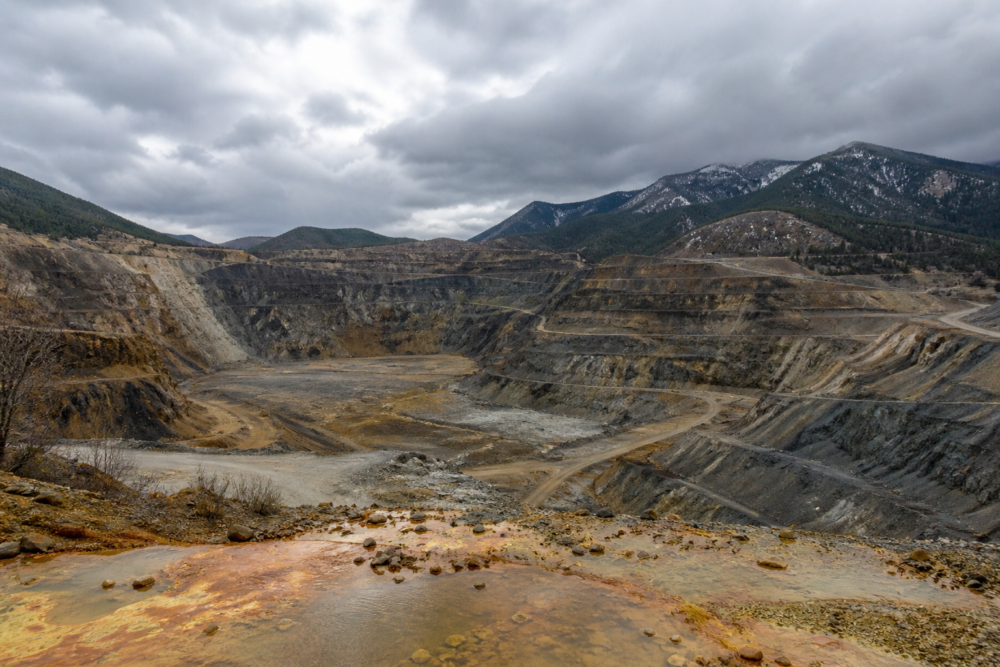
Announced on Tuesday, the penalty follows a provincial decision tied to the historic Nickel Plate gold mine near Hedley. The underground site sits roughly 32 kilometres west of Penticton. Officials determined that contaminated water flowed into Hedley Creek, which feeds the Similkameen River.
Additionally, the Ministry of Environment and Parks found the company breached water quality limits during 10 of 14 consecutive months across 2023 and 2024. Regulators described the violations as serious and repeated.
The Nickel Plate mine dates back more than a century. It first opened in 1903 under Marcus Daly, a prominent figure in early North American mining. The site’s steep terrain forced operators to build a five-kilometre electric railway and gravity tramway to move ore downhill.
However, the mine did not operate continuously. It closed temporarily during the early 1930s amid the Great Depression. It later reopened as gold prices improved, then ultimately shut down in 1955 after producing 3.8 million tonnes of ore valued at USD$48 million at the time.
Subsequently, the property returned to operation in 1987 as a large open-pit mine under Mascot Gold Mines. That phase ended in 1996, marking the site’s most recent closure.
In addition, Barrick assumed responsibility for the site in 2001 through a stock-swap merger. The company has since managed care and maintenance obligations, including controlling wastewater discharge.
Read more: NevGold reports more positive drill results as gold-antimony resource estimate nears
Read more: NevGold positions Nevada project for near-term antimony output
The latest ruling treated the repeated violations as aggravating factor
The ministry’s April 14 decision identified cobalt as the primary concern. Inspectors recorded concentrations ranging from more than five times to over 25 times above legal limits.
Furthermore, the decision stated that these levels represent the most severe form of regulatory non-compliance. Officials argued the breaches weaken confidence in the province’s environmental oversight system.
Cobalt plays a role in biological systems, but it becomes toxic at elevated levels. Meanwhile, studies show that excessive cobalt exposure can harm aquatic life by slowing growth and disrupting reproduction.
The ministry also considered Barrick’s compliance history at the site. The company has faced two penalties over the past decade. One 2025 sanction reached CAD$114,750 after regulators reduced an initial CAD$520,000 assessment.
At that time, inspectors found cobalt concentrations up to seven times above allowable limits in Hedley Creek. Consequently, the latest ruling treated the repeated violations as an aggravating factor.
However, the ministry acknowledged Barrick’s cooperative conduct during the investigation. Officials noted the company consistently reported its own exceedances and worked with regulators throughout the process.
Barrick told the ministry it has spent more than CAD$15 million studying cobalt behaviour and water quality at the site since 2017. Additionally, the company has explored alternative treatment methods and conducted wildlife and toxicity research.
The company argued that the specific cobalt compound present at Nickel Plate proves difficult to treat. It stated that no effective removal method currently exists for that form of contamination.
Conversely, Barrick also maintained that the cobalt detected in testing appears highly toxic in standard measurements. Yet company-commissioned studies suggest the actual environmental risk remains relatively low for aquatic species.
Read more: Project Vault targets global minerals now, domestic supply later
Read more: Getchell Gold boosts Fondaway Canyon’s indicated resource estimate by 54%
Barrick has faced scrutiny before
Regulators did not fully accept that position. Instead, they focused on measured exceedances relative to established limits, regardless of disputed toxicity interpretations.
Barrick has until mid-May to appeal the penalty decision. Meanwhile, the company did not respond to media inquiries before publication.
This isn’t the first time Barrick has gotten into hot water.
Barrick has faced scrutiny over environmental and human rights concerns at several international operations. At its Porgera mine in Papua New Guinea, the company has dealt with longstanding allegations tied to security practices and community displacement. Meanwhile, independent reviews and court filings have documented claims of violence by mine security personnel in past years, which Barrick has said it addressed through remediation programs.
Furthermore, the company has encountered environmental challenges in Africa. At the North Mara mine in Tanzania, reports have cited water contamination concerns and disputes with nearby communities over land access. However, Barrick has maintained that it continues to invest in environmental controls and community engagement initiatives at these sites.
.