
American tech executives are urging Washington to scrutinize Chinese humanoid robot makers as China accelerates development, fueling tensions over competition and security.
US artificial intelligence and robotics firms pressed lawmakers to act during a congressional hearing on Tuesday. They cited rising competition and potential national security risks tied to Chinese manufacturers, including Unitree Robotics. Meanwhile, executives called for expanded export controls on AI chips and limits on government procurement. They argued these steps would protect domestic innovation and reduce exposure to foreign systems.
However, Chinese analysts said the push reflects anxiety within the US tech sector.
They argued American firms are reacting to China’s rapid gains in robotics and manufacturing scale. Additionally, they said US players often frame competition as a security issue without clear evidence.
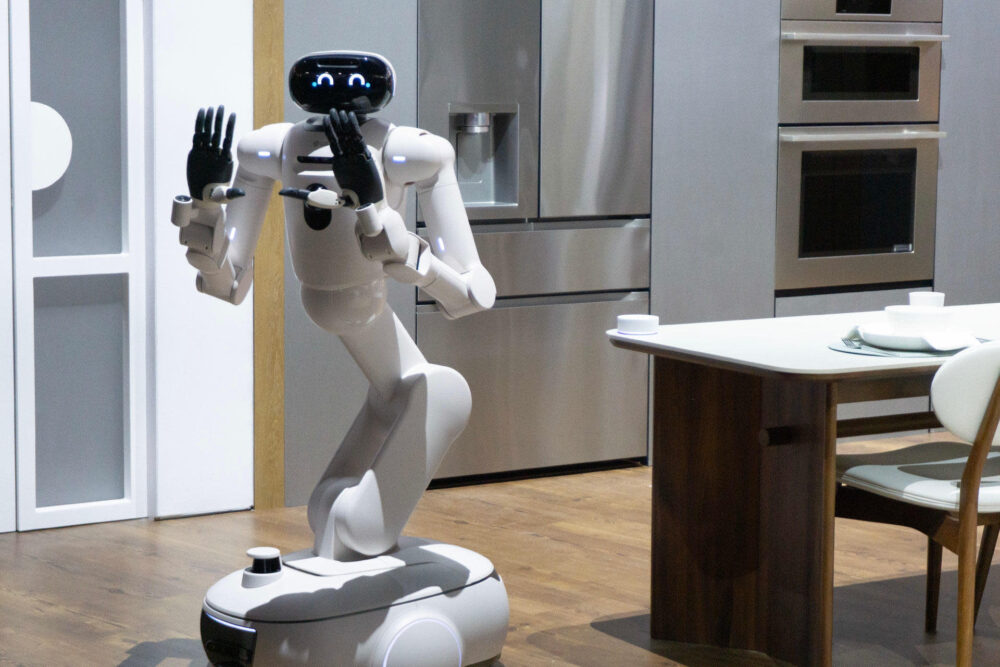
One analyst compared the stance to projecting risks outward while facing similar vulnerabilities at home. At the hearing, Scale AI and Boston Dynamics executives pointed to visible progress by Chinese firms. For example, Unitree robots recently performed complex martial arts movements in a widely shared video.
Consequently, observers noted how quickly performance improved within a single year. Executives also said Chinese exhibitors outnumbered US firms at major industry events like CES. Meanwhile, Chinese researchers said the US still leads in large AI models and advanced chips.
They argued China’s advantage lies in its integrated supply chain and manufacturing ecosystem. Furthermore, they warned that heavy restrictions could slow innovation in a still-developing sector. They added that collaboration could improve efficiency and support broader industrial growth.
Read more: China builds robot training centres to push humanoids into real-world jobs
Read more: New AI model allows farm robots to identify and kill unfamiliar weeds instantly
Global humanoid market remains small
In addition, analysts said both countries remain interdependent in key areas of robotics development. They suggested market forces will likely shape the industry more than policy barriers over time.
The global humanoid robot market remains small today, but analysts expect rapid expansion over the next decade as artificial intelligence and automation converge.
According to marketing firm, Grand View Research, the humanoid robot market could reach roughly USD$4 billion by 2030. The firm notes growth will come from logistics, healthcare and service-sector applications.
Meanwhile, fellow marketing firm, MarketsandMarkets estimates the sector already sits between USD$1.5 billion and USD$3 billion in 2025. That range reflects early-stage deployments and limited commercial scale across most regions.
However, other forecasts suggest significantly faster growth as capabilities improve. GlobeNewswire said the market could expand to between USD$11 billion and USD$15 billion by 2030. The report also projects compound annual growth rates above 40 per cent during the period. Consequently, the sector ranks among the fastest-growing segments within the broader robotics industry.
Marketing research firm, Knowledge Sourcing Intelligence, says bullish scenarios place the market closer to USD$19 billion by 2030. The firm attributes that upside to falling hardware costs and improving AI performance. Furthermore, Goldman Sachs estimates the market could approach USD$30 billion to USD$50 billion by 2035. It argues labour shortages and rising wages will accelerate adoption across industries.
Meanwhile, Morgan Stanley projects a far larger long-term opportunity tied to humanoid systems. The bank suggests the broader ecosystem could reach USD$1 trillion to USD$5 trillion by 2050. In addition, it links that growth to automation of physical labour across multiple sectors.
.