
A new electronic petition is aiming to place stricter controls on Canada’s legal cannabis industry.
Initiated by Jim Jeffs of Ontario and sponsored by Conservative MP Dean Allison of Niagara West, petition e-6991 opened for signatures on Dec. 10, 2025 and remains open until Apr. 9. More than 800 people have signed it thus far, primarily from Ontario and British Columbia.
It urges the government to take three steps: raise the minimum legal age for consumption to 25, ban edibles, and revoke the licenses of cannabis producers that allow odours from their operations to escape.
The petition also aims to push the House to implement a series of recommendations from the March 2024 Legislative Review of the Cannabis Act. These include establishing and monitoring targets to reduce cannabis use among youth and young adults, and reinstating prominent health warning messages about serious mental health risks, including psychosis and schizophrenia.
Supporters feel that these moves can be justified by research from the U.S. Centers for Disease Control and Prevention indicating that cannabis can harm brain development in those under the age of 25. Furthermore, they have cited a 2018 Public Health Ontario evidence brief that highlighted how odours from cultivation operations can cause headaches, nausea and other discomforts. These were largely self-reported complaints, not definitive toxicological findings.
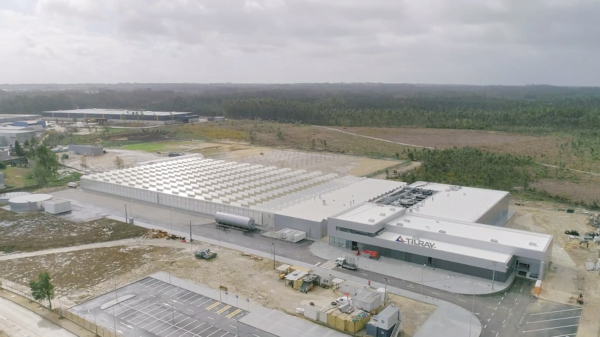
Residents near production facilities, such as the Redecan operation run by Tilray Brands Inc (TSE: TLRY) (NASDAQ: TLRY) (FRA: 2HQ) and an Indigenous-owned cultivation site in Pelham, for instance, have been complaining about unpleasant smells emanating since legalization in 2018. A legal battle between the Ontario town and companies has been underway since last year over what many locals think is a stench.
A growing rate of usage among those 20 to 24, as showcased with data in the 2024 Cannabis Act review, combined with unintentional child poisoning incidents from edible ingestion has also made the petition appeal to concerned citizens.
MP Allison has repeatedly raised these neighbourhood issues, arguing that rushed legalization has damaged property values and quality of life.
As signatures continue to accumulate, the document adds pressure on lawmakers to reconsider aspects of post-legalization policy amid ongoing public health and community debates. Attempting to implement these provisions would almost certainly face constitutional or charter challenges though.
Read more: Cannara Biotech attains conditional approval for TSX uplisting
Follow Rowan Dunne on LinkedIn
rowan@mugglehead.com