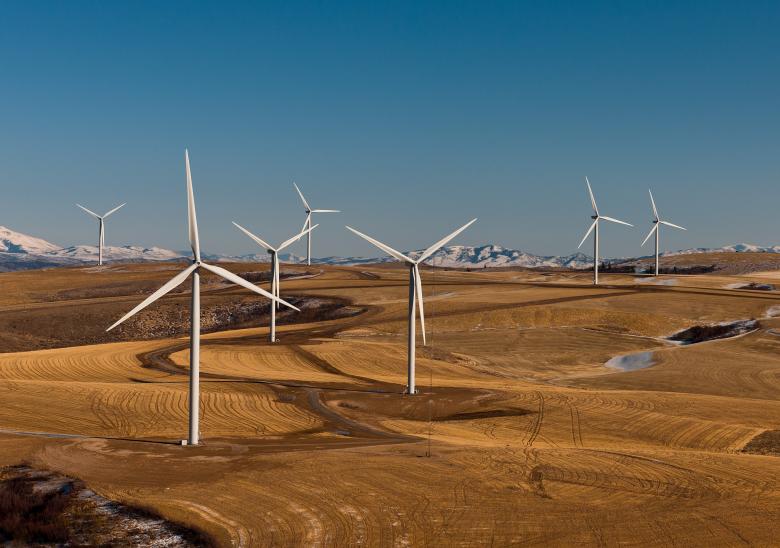

A federal court has struck down President Donald Trump’s freeze on new wind energy permits, ending a months long halt on projects across the United States.
A Massachusetts district judge ruled on Monday that the administration acted without a clear or lawful basis when it stopped federal agencies from approving onshore and offshore wind developments.
The executive order, which Trump signed in January, paused construction on several projects already under way. The Interior Department even directed Equinor ASA (NYSE: EQNR) to stop work on its Empire Wind 1 project off New York’s coast. The planned wind farm is designed to power roughly 500,000 homes once it enters service. The directive triggered a lawsuit by 17 states and a New York clean energy group after the halt threatened to delay or disrupt investments tied to the fast-growing offshore sector.
Judge Patti B. Saris found that federal officials did not offer a reasoned explanation for the abrupt shift in policy. She also wrote that the agencies failed to justify the new restrictions. Her ruling vacated the president’s order and restored the permitting process. New York Attorney General Letitia James said the decision represented a legal win for states pressing ahead on climate action. Furthermore, she noted that the ruling prevents the administration from blocking a wide range of new wind projects.
The states filed their case in May after the Interior Department froze work on Empire Wind. The administration later allowed that project to resume, however, state officials argued the broader freeze continued to harm their economies.
Read more: Chinese firms spend $80B abroad to soak up green tech supply glut
Read more: Bill Gates-backed hydrogen startup cuts workforce as commercial plans stall
Trump waged unsuccessful fight to block wind farm
They said stalled construction left developers uncertain about timelines, supply chains and labour planning. Additionally, they warned that the pause risked slowing long-term efforts to expand renewable power along the East Coast.
Trump has pushed to expand support for fossil fuels after returning to the White House. He has repeatedly dismissed wind energy and called turbines unattractive and harmful to wildlife. While multiple studies and sources have proven that windmills are harmful to avian life and bats, he also claimed that wind farms kill whales. Meanwhile, his order threatened to derail projects scheduled to bring new capacity online before the end of the decade.
The company anticipates the work on Empire Wind to continue on its original schedule. The project’s developers plan to finish construction within two years and aim to begin operations by late 2027. Before entering office, Trump waged a lengthy but unsuccessful fight to block a wind farm near his golf course in Aberdeenshire, Scotland.
Many experts consider Donald Trump’s claim that windmills kill whales to be unsubstantiated. According to the National Oceanic and Atmospheric Administration (NOAA), there is no evidence linking offshore wind‑farm activities to whale deaths.
The Bureau of Ocean Energy Management (BOEM) also has said that the geophysical surveys and installation work used to site and build turbines are not known to cause lethal harm to whales.
It is true that wind farm construction and operations can create underwater noise and increase vessel traffic — which, theoretically, could disrupt marine mammals. But federal reviews and independent scientist assessments have repeatedly concluded these effects have not resulted in documented whale mortalities.
.