Westinghouse targets 2030 start for US$1B Columbia fuel expansion
Construction is underway on a commercial LEU+ factory, with listed owners Cameco and Brookfield Renewable exposed through their Westinghouse interests.
 Ines Halvorsen
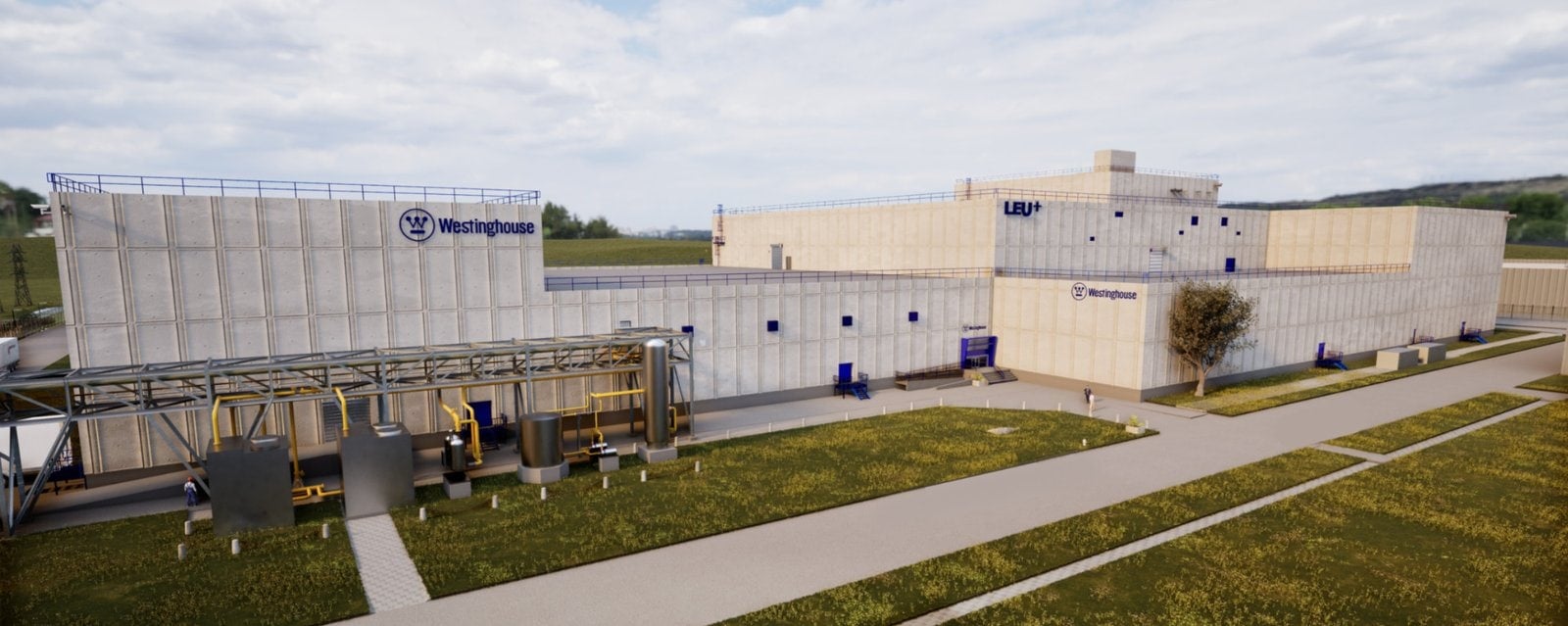
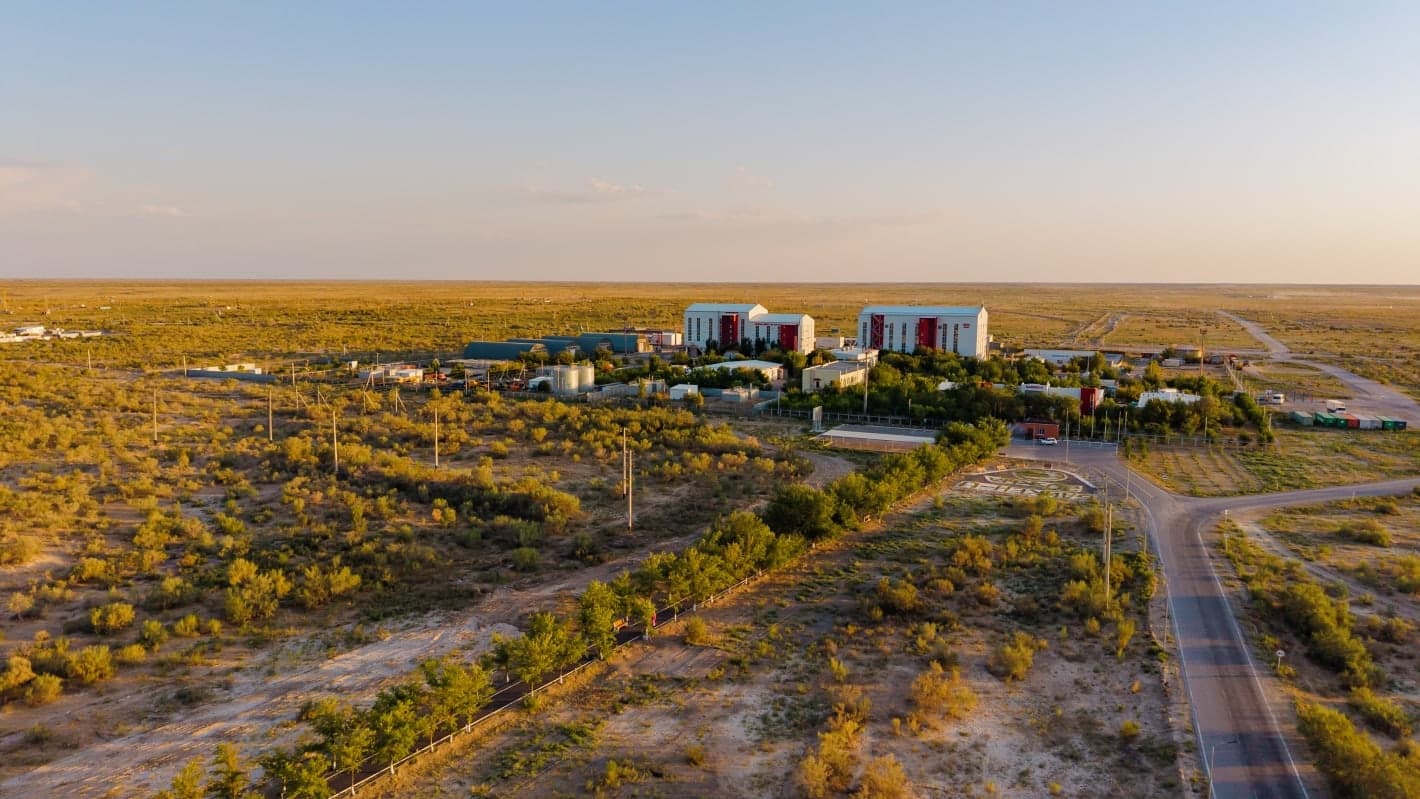
Commercial production of fuel enriched to as much as 8 per cent is targeted for 2030, privately held Westinghouse Electric Company said Wednesday, announcing construction is underway at its expanded Columbia site. The company puts the investment at approximately US$1 billion to manufacture its next generation of low-enriched uranium fuel in Hopkins, South Carolina.
Cameco Corporation TSECCO NYSECCJ owns 49 per cent of Westinghouse, according to its Nov. 7, 2023 acquisition closing notice. The remaining 51 per cent belongs to a Brookfield consortium that includes Brookfield Renewable Partners L.P. TSEBEP.UN NYSEBEP, whose 2025 annual report identifies Westinghouse among its investments.
Cameco traded at C$114.72 in Toronto at 11:56 a.m. EDT on Monday, down 0.50 per cent, according to its TSECCO quote page. Brookfield Renewable's New York units closed Tuesday at US$28.23, up 0.28 per cent, at 4:00 p.m. EDT, according to NYSEBEP. Both observations precede Wednesday's expansion announcement.
Westinghouse describes the new factory as commercial scale, but an annual output figure in tonnes was not established in the primary material reviewed. Neither were signed customer volumes, fuel prices or supply terms.
"The Columbia LEU+ Fuel factory is our largest single manufacturing investment to support the operating fleet and marks a transformative milestone for our company and the industry," Westinghouse chief executive Dan Sumner said in the release.
The company says Columbia's LEU+ production will support the long-term operation of existing reactors and the wider deployment of its AP1000 reactor design. Its announcement describes construction as underway, rather than presenting the factory solely as an expansion proposal.
Read more: NRC renews Westinghouse AP1000 design certification through 2066
Higher Enrichment Requires A New Factory
Westinghouse's expansion media kit says its existing Columbia plant cannot manufacture fuel enriched above 5 per cent because of its configuration and process technology. The new building is designed for higher enrichment and will sit beside the existing operation.
LEU+ has uranium enrichment of 5 to 8 per cent, according to Wednesday's release. Westinghouse expects the fuel to support reactor power increases and reduce operating costs by giving utilities more flexibility over refuelling schedules.
The company's fact sheet accompanying the announcement describes an extension of operating cycles to 24 months from 18 months. Longer cycles would reduce the frequency of outages for fuel replacement; these are the supplier's stated benefits, rather than a disclosed customer operating result.
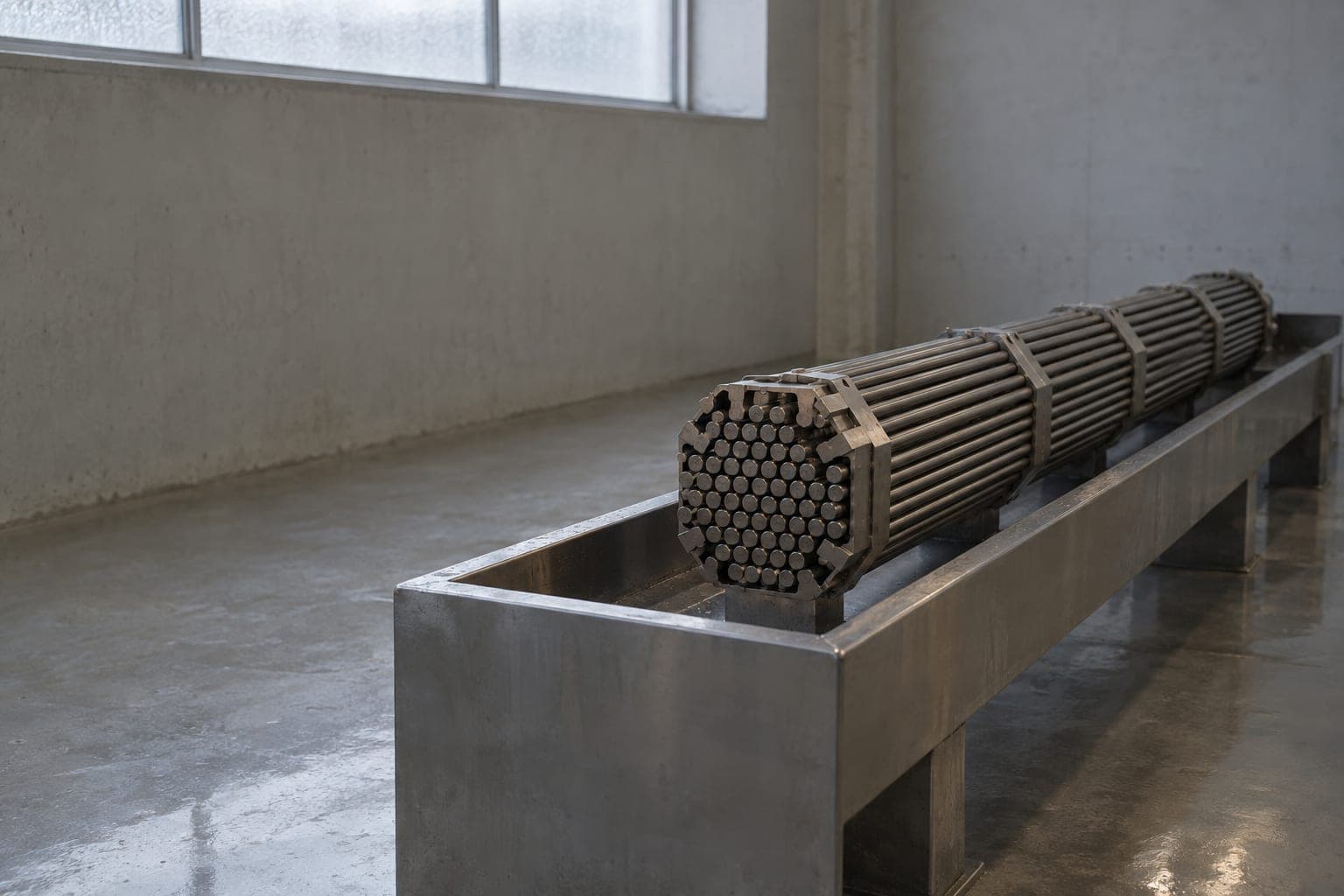
The new factory will use a dry manufacturing process, with more automation and reduced chemical use, according to the media kit. Westinghouse says LEU+ fuel was first successfully deployed in the United States in 2025.
Westinghouse credited the U.S. Department of Energy's tax credit program, along with state and Richland County support, for helping advance the investment. The reviewed material did not establish the value of those incentives or a breakdown of debt and owner contributions.
The existing Columbia facility produces fuel pellets, rods, assemblies and components, and employs more than 1,200 people, according to Wednesday's release. Westinghouse's next stated operating milestone for the new LEU+ factory is the start of production in 2030.