Walker River Resources drills 47.25m at 2.07 g/t gold at Lapon Canyon
The upper Hotspot results will inform geological modelling, with true widths still unestablished and some holes cut short by ground conditions.
 Mara Quinlan
Walker River Resources Corp. CVEWRR reported on Thursday that hole LC-26-175 at Lapon Canyon in Nevada returned 2.07 grams per tonne gold over 47.25 metres. The sampled interval includes 30.48 metres at 3.07 grams per tonne, providing a higher-grade run for ongoing geological interpretation at upper Hotspot.
Shares were quoted unchanged at C$0.24 on the TSX Venture Exchange as of 11:12 a.m. EDT on Oct. 21, before Thursday's release CVEWRR.
The headline interval began at a downhole depth of 80.77 metres. The explorer said all reported intervals are sampled lengths, with true widths unestablished and potentially different from those lengths.
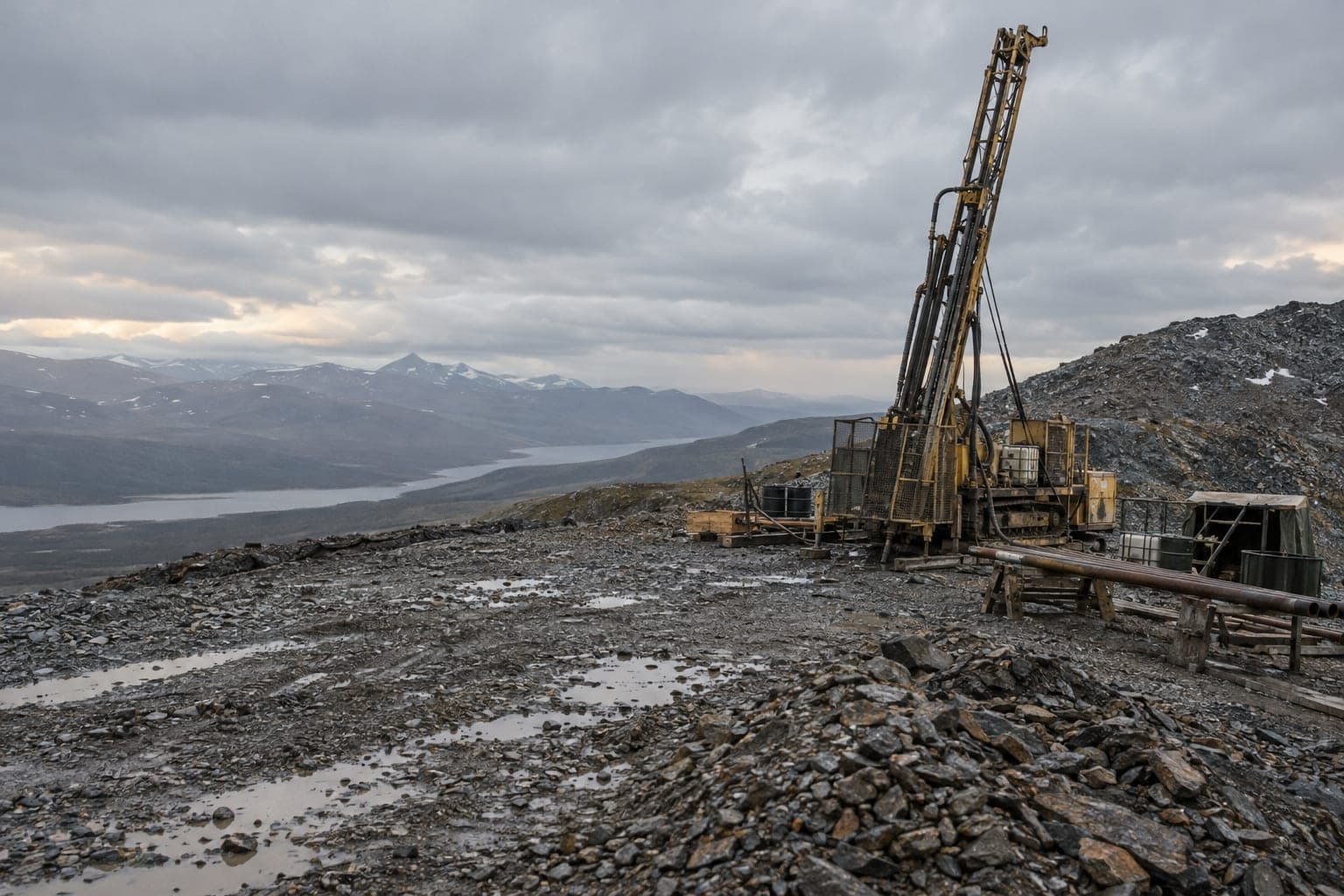
Walker said the upper Hotspot results will feed its geological model, but did not give a measured extension of the drilled target in its geological interpretation. The program combines infill drilling with tests of potential extensions along strike, down dip and into deeper rocks.
Hole LC-26-179 returned 48.77 metres at 2.02 grams per tonne gold. That interval began at 24.38 metres and included 7.62 metres at 6.61 grams per tonne.
Ground conditions prevented some holes from reaching their targets. Hole LC-26-186 returned 38.10 metres at 1.29 grams per tonne and was terminated while drilling through the reported mineralized interval. Its final depth was 64.01 metres.
The assay update describes 13 holes, including an abandoned hole and another that returned no significant gold values. A separate hole was lost before reaching its intended target depth.
Historical drilling identified gold in a broad, shallow horizon altered by iron oxides, while the current program also intersected gold hosted by intrusive rocks, including monzonite. Walker says a broader intrusive-related gold system is a possibility requiring further mapping, sampling and drilling.
Drill pads have generally been spaced about 30 to 60 metres apart, with multiple holes drilled at different orientations from each pad. Walker interprets the mineralization as mostly horizontal to moderately south-dipping, with potentially steeper zones hosting higher grades.
The company is also evaluating whether higher-grade intervals occupy structurally controlled zones within that broader system. The relationship between those intervals and surrounding mineralization remains an exploration target.
"The geometry and continuity of these zones remain subject to further drilling and interpretation," Walker said in the release.
Read more: K2 Gold reports 83.82m gold intercept in Dragonfly step-out
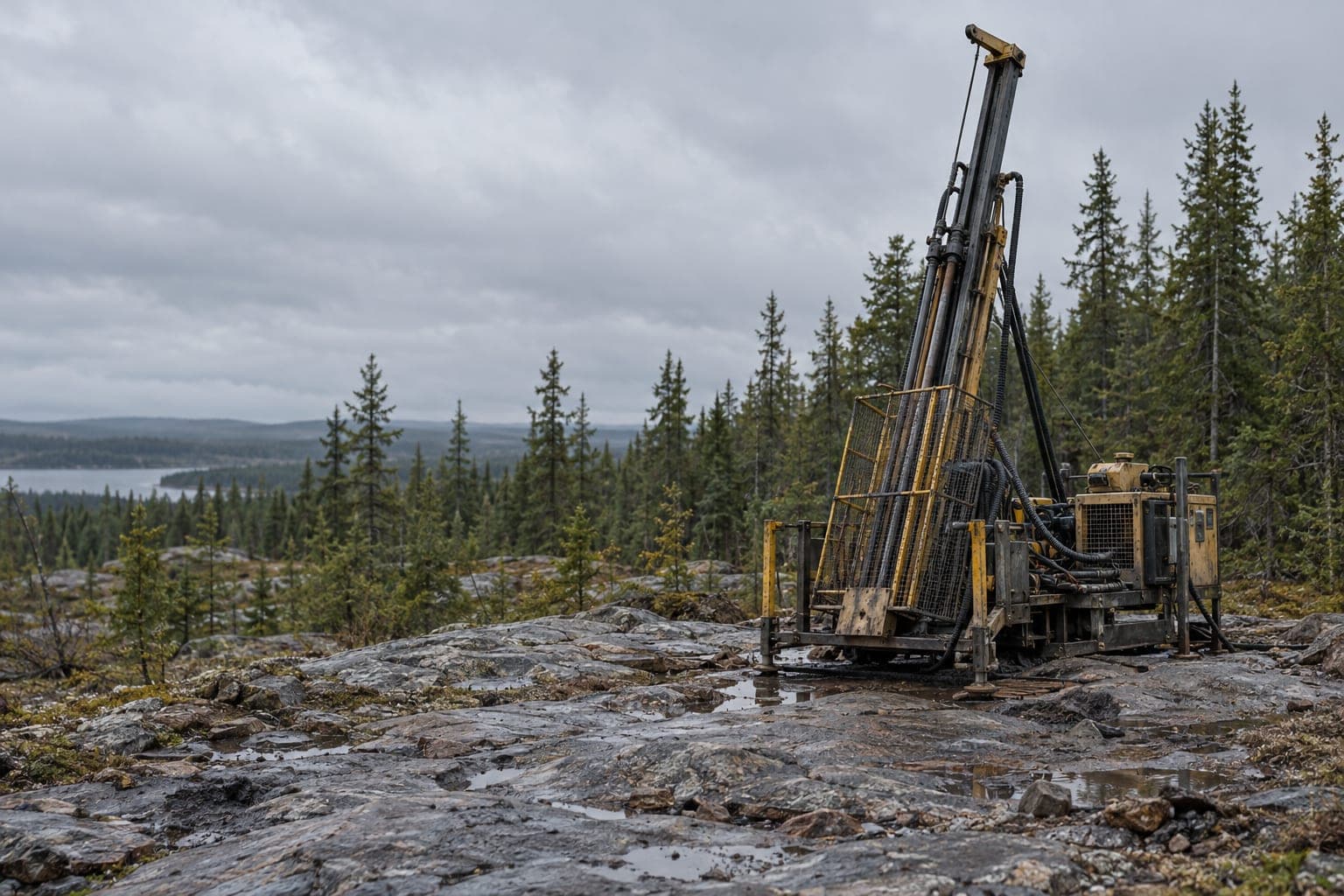
Walker originally planned an initial 10,000 metres of reverse circulation drilling in its June 11 program announcement. Expansion was subject to drilling progress, permitting and access conditions, so the initial program length was a plan rather than a completed total.
Walker's June 11 schedule called for an initial mineral resource estimate in 2026, using results from the previous and current drill programs.