Village Farms International reports record US$55M cannabis revenue
Operating cash flow reached US$9.5 million as expansion spending eased, but weaker Canadian wholesale pricing reduced cannabis profit.
 Adrian Kessler
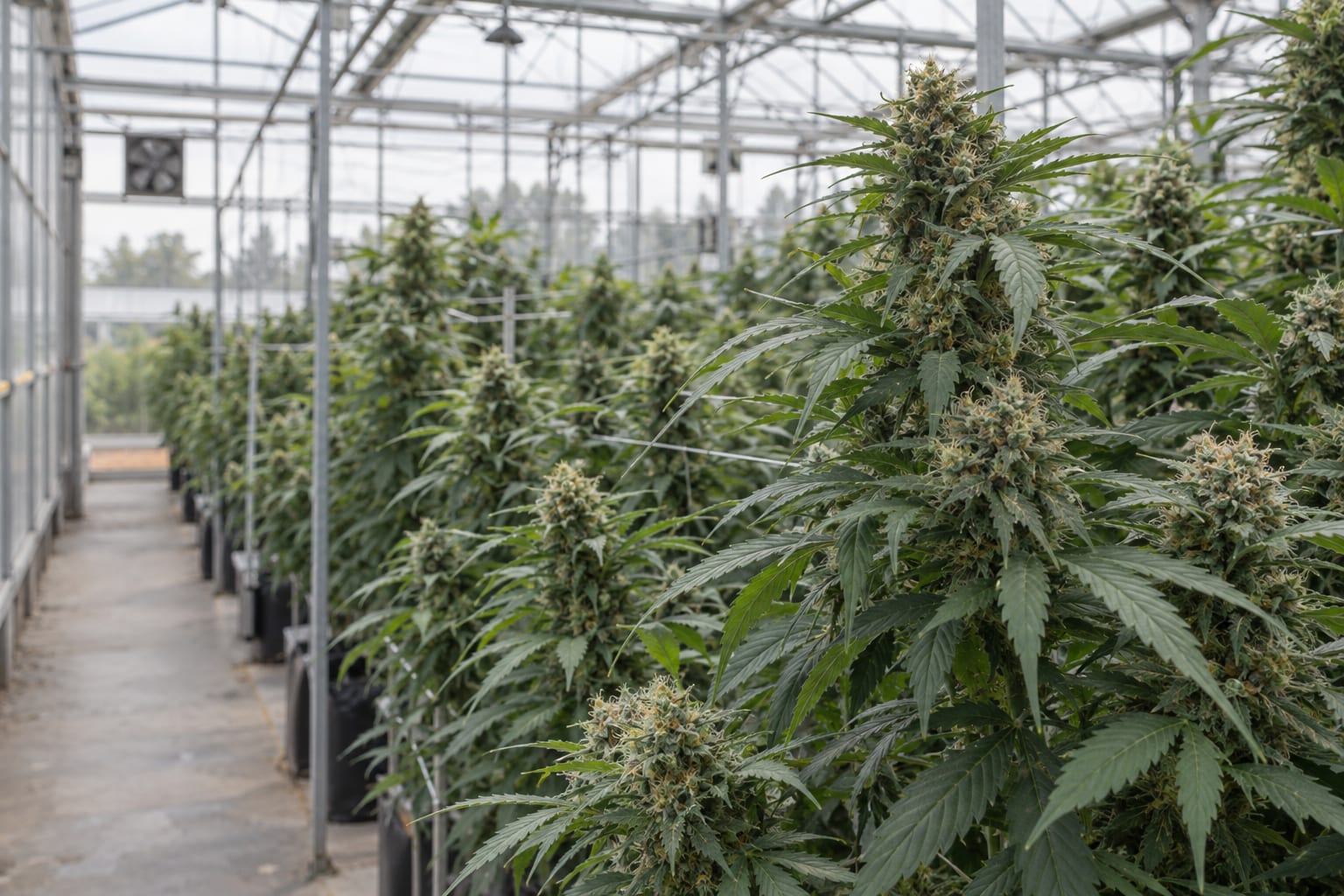
Record quarterly cannabis revenue reached US$55 million as Village Farms International, Inc. NASDAQVFF reported its third-quarter results on Monday. Cannabis net income fell to US$7.8 million from US$12 million a year earlier as softer Canadian wholesale pricing cut margins.
For the quarter ended Sept. 30, cannabis sales increased 3 per cent from US$53.5 million a year earlier. Consolidated sales reached US$67 million, while net income was US$10 million.
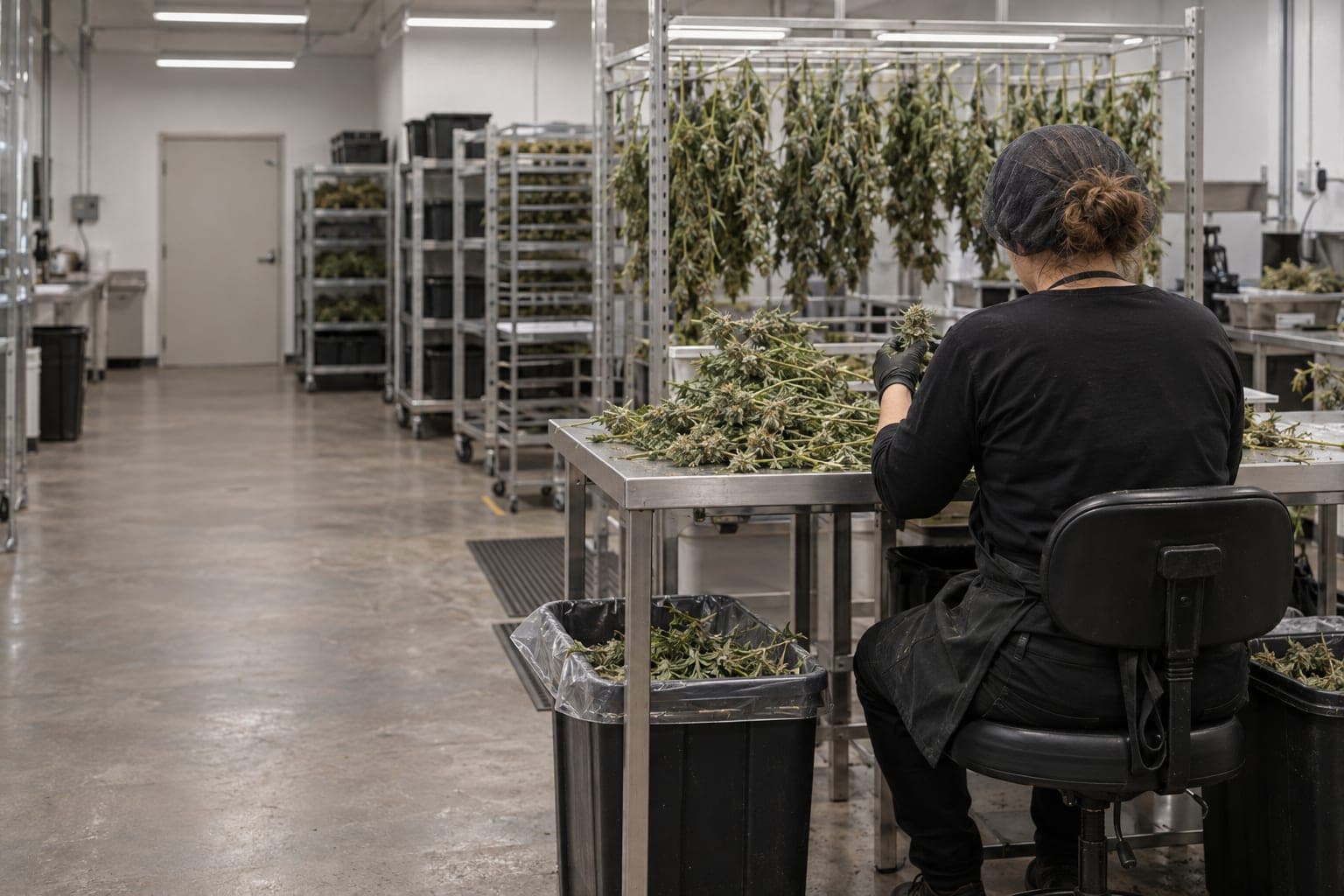
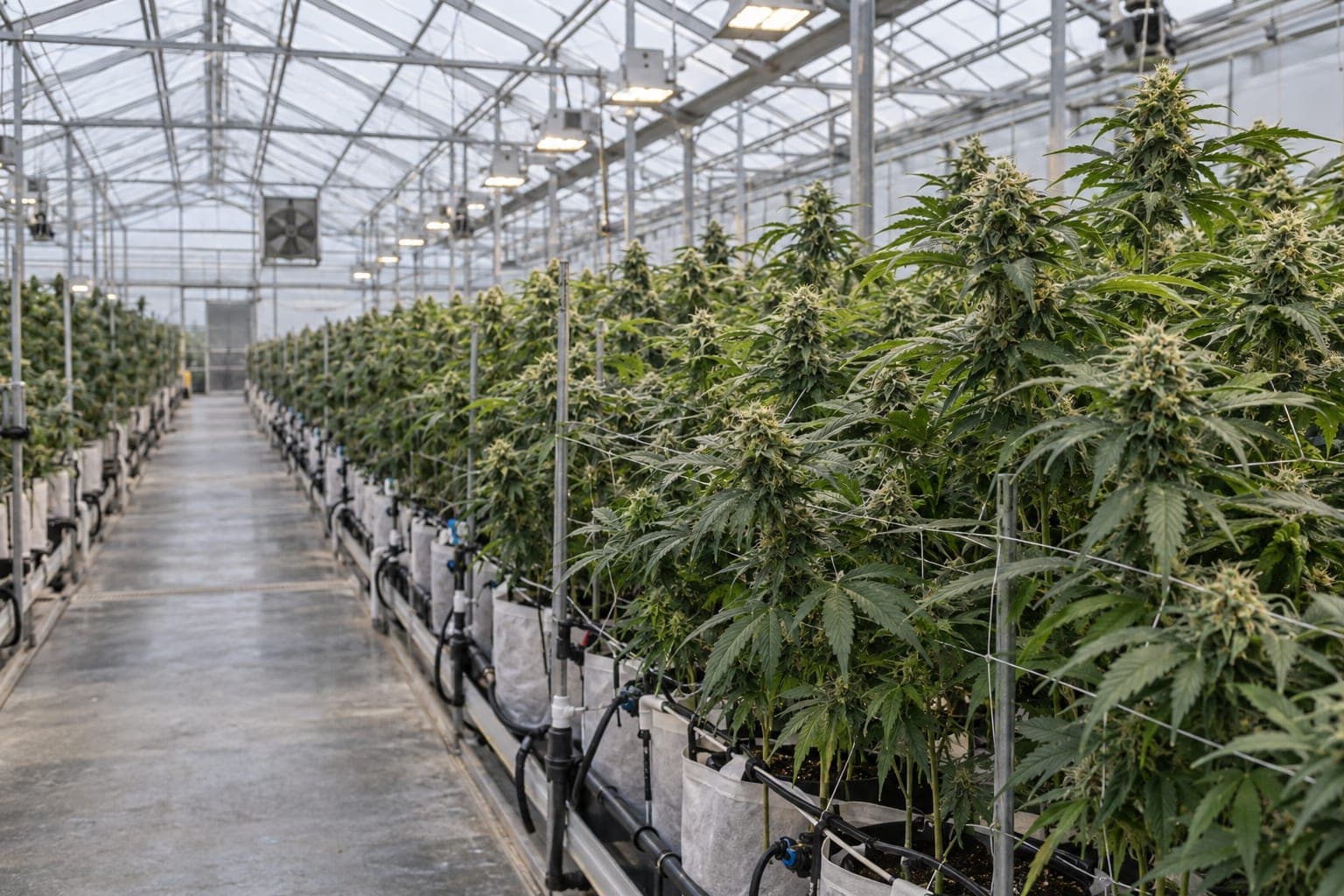
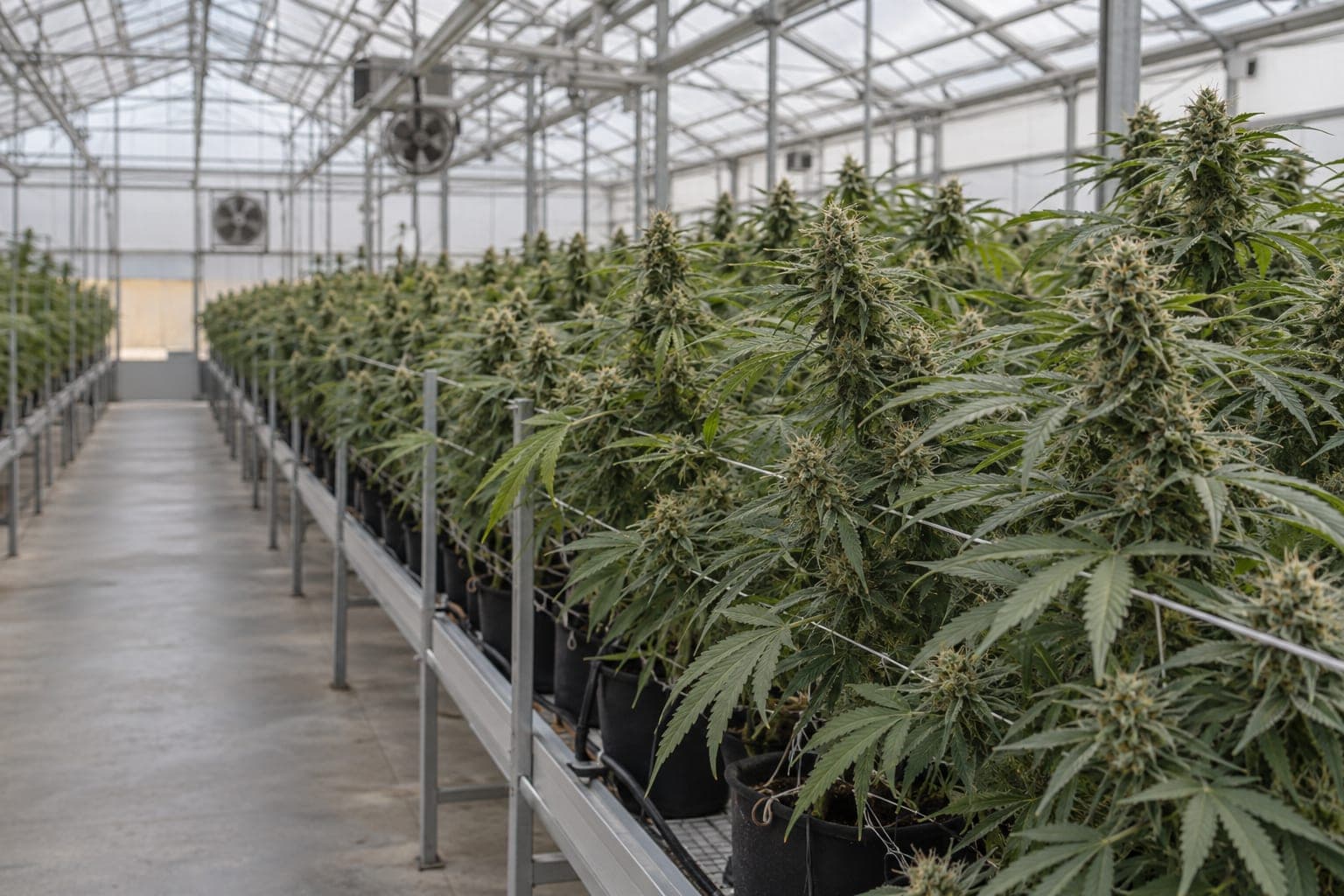
Village Farms is a Vancouver-based international greenhouse operator supplying Canadian cannabis consumers and overseas medical markets, with cultivation operations spanning North America and Europe.
The results were released before Monday's regular Nasdaq session. Shares on NASDAQVFF last closed at US$2.88 at 4 p.m. EST on Nov. 6; that price preceded the earnings announcement.
Cash Generation Improves As Expansion Spending Eases
Consolidated operating cash flow was US$9.5 million in the September quarter, including US$7.3 million from cannabis operations. Village Farms ended September with approximately US$80 million in cash and a reported net cash position of US$41 million.
Management linked the sequential improvement in cash generation to substantially completed capital spending on its Netherlands and Delta 2 expansion projects. That reduces the construction spending burden as the company prepares to bring additional cannabis capacity into production.
"As anticipated, we delivered stronger sequential cash flow performance in Q3 as capex from our Netherlands and Delta 2 expansion projects is substantially complete," Village Farms chief executive Michael DeGiglio said in the release.
The record sales did not translate into higher cannabis profitability. Gross margin fell to 48 per cent from 55 per cent in the September 2025 quarter, reflecting a softer Canadian spot market for wholesale trim.
Cannabis adjusted EBITDA from continuing operations fell to US$14.7 million from US$20.2 million a year earlier. Higher operating expenses to support future growth also contributed to the decline in cannabis net income, the company said.
Management expects Canadian wholesale trim conditions to begin normalizing in the fourth quarter, citing its October order book and new supply agreements with stronger contracted pricing. That is an operating expectation rather than an achieved recovery.
Read more: Village Farms backs Budget 2026 proposal to reduce cannabis excise stamps
International Exports Match The Previous Quarter's Record
International export sales increased 75 per cent year over year to US$20.8 million in the September quarter, matching the preceding quarter's record. Village Farms expects its Delta 2 expansion to support stronger international sales in 2027 and entry into additional European jurisdictions.
The export opportunity also appears in Cronos Group Inc. TSECRON NASDAQCRON, which reported on Nov. 5 that September-quarter net revenue rose to US$63.5 million from US$36.3 million a year earlier. Cronos attributed the increase partly to higher cannabis flower sales in Israel and Germany, alongside Canadian growth.
Cronos also reported higher average selling prices as its sales mix shifted toward export markets without excise taxes.
Read more: Cronos Group reports US$63.5M sales as international demand grows
Village Farms is also mobilizing plans for cannabis production at its Monahans greenhouse in Texas. The release describes management pursuing potential pathways to market entry, rather than announcing a production start or a regulatory authorization.
The next scheduled expansion milestone is completion of Delta 2 during the first quarter of 2027. Management expects the added capacity to reach its full annual production rate of 40 metric tonnes by mid-2027, when total Delta campus capacity would reach approximately 160 metric tonnes.