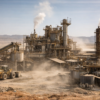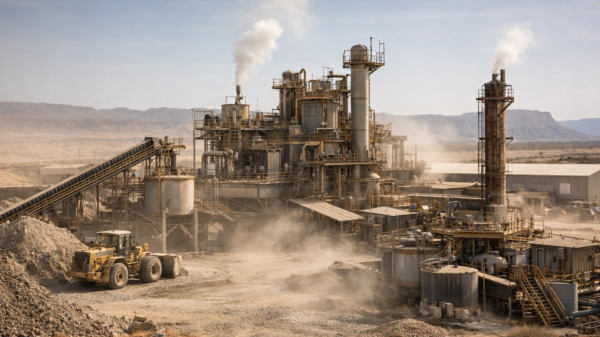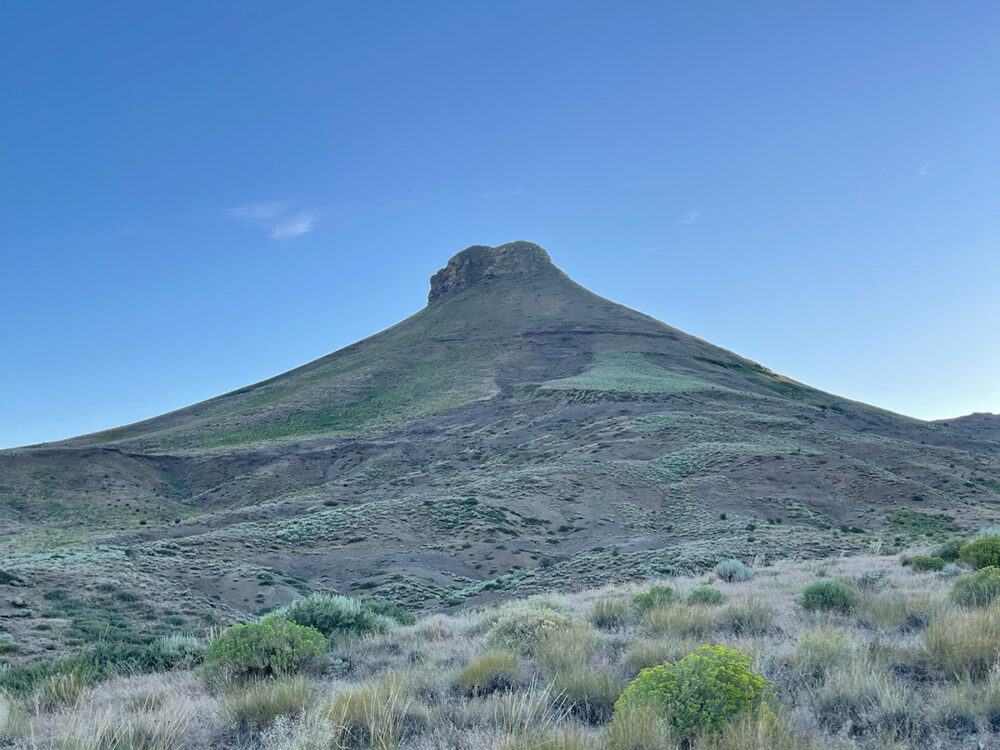

The vast high desert straddling Oregon’s southeast corner has become the center of a growing national debate over energy, economics, and land use, after scientists flagged the McDermitt Caldera as one of the largest lithium resources ever identified in the United States.
Geologists estimate the ancient volcanic basin may contain between 20 million and 40 million metric tons of lithium locked inside mineral-rich claystone. Consequently, some analysts place the potential value of the deposit near USD$1.5 trillion, a figure that has drawn intense attention from industry, regulators, and local residents.
The excitement comes as electric vehicle production accelerates across North America. Meanwhile, demand for lithium has known few slowdowns, driven by batteries used in cars, energy storage systems, and consumer electronics.
Supporters say a domestic lithium source could reduce reliance on overseas supply chains. However, critics argue that mining at this scale risks reshaping a fragile desert ecosystem that evolved over millions of years.
The caldera formed roughly 16 million years ago through massive volcanic eruptions that left behind layers of lithium-bearing sediment. Subsequently, wind and water shaped the basin into a wide, semi-arid landscape that now supports pronghorn antelope, sage-grouse, and other sensitive species.
Some scientists have urged caution about moving too quickly. One regional geologist noted that society is making development decisions within years for a landform shaped across geological time.
That contrast has sharpened local debate. Additionally, residents worry that industrial timelines rarely align with environmental recovery.
Industry advocates see something different. They argue the McDermitt deposit offers a rare opportunity to strengthen U.S. battery manufacturing while creating jobs in a struggling rural county.
Read more: Chinese firms spend $80B abroad to soak up green tech supply glut
Read more: Lithium-ion battery market set to double by 2030
Conservation groups criticized timeline
Malheur County ranks among Oregon’s poorest regions by income. Consequently, some residents hope lithium development could bring employment, infrastructure investment, and tax revenue.
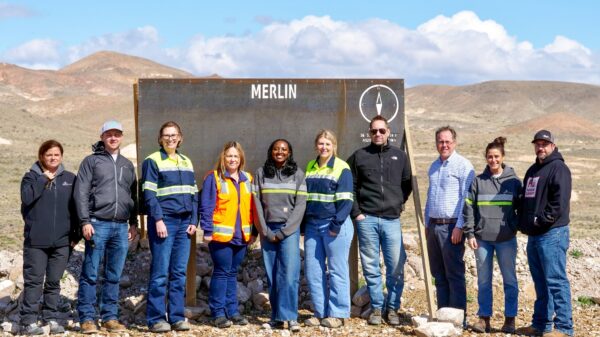
Others remain unconvinced. However, they point to experiences in neighboring Nevada, where lithium projects sparked long-running disputes over water use and land disturbance. A proposal from HiTech Minerals Inc. would add roads and drill hundreds of test wells across public land to assess the deposit. Meanwhile, the project has drawn scrutiny from environmental groups who argue that early exploration can still leave lasting impacts.
The Bureau of Land Management opened a short public comment period on the proposal. However, conservation groups criticized the timeline as insufficient for evaluating long-term consequences.
The Oregon chapter of the Sierra Club said it supports clean energy goals. However, the organization stressed that drilling should not sacrifice fragile habitats or rush environmental review.
Sage-grouse habitat already faces pressure across the West. Additionally, biologists warn that increased vehicle traffic, noise, and land disruption could worsen population declines. Water use remains another central concern. Lithium extraction from claystone differs from brine operations in South America. Consequently, processing often requires acid leaching and significant water input. Environmental advocates worry that groundwater tables could drop or become contaminated. Furthermore, they cite past high desert projects where monitoring failed to prevent long-term damage.
Mining companies counter those claims. They argue modern engineering, strict permitting, and oversight can reduce risks. They also say domestic projects allow tighter regulation than overseas operations. Conversely, critics respond that strong rules only work when enforcement remains consistent.
Read more: Could a breakthrough sodium battery material ease reliance on costly lithium supplies?
Read more: Albemarle sells refining catalyst units as lithium supply glut persists
Opponents point to cultural, environmental issues
Cultural concerns add another layer of complexity. The caldera region holds spiritual and historical significance for several Indigenous tribes.
Tribal leaders in nearby areas have previously opposed lithium projects. Additionally, they have cited sacred sites and traditional gathering areas that could be disturbed by drilling or road construction. Opponents argue that early-stage exploration often minimizes these risks. Meanwhile, tribes say consultation frequently begins after key decisions already occur.
Some wildlife groups also raise alarms about species beyond birds and mammals. Lahontan cutthroat trout, which depend on cold, clean water systems, could face downstream effects from altered hydrology. Scientists note that claystone deposits behave differently from hard rock mines. However, they caution that large-scale extraction still brings dust, diesel exhaust, and chemical waste.
Supporters of development emphasize national priorities. They argue the United States must secure critical minerals as global competition intensifies. Lithium prices remain high. Consequently, investors see strong incentives to push projects forward.
Some economists say projects like McDermitt could reshape regional economies. Additionally, they argue that mining investment often brings secondary benefits, including service jobs and infrastructure upgrades. Local officials have tried to strike a balance. Malheur County’s economic development director has said any project should follow what he described as an Oregon approach, with accountability and shared benefits.
That stance reflects broader uncertainty. However, residents remain divided over whether promised gains will outweigh permanent changes. Environmental organizations argue alternatives deserve more attention. They point to battery recycling, new chemistries, and efficiency gains that could reduce raw material demand.
Read more: Bill Gates-backed hydrogen startup cuts workforce as commercial plans stall
Read more: Plug Power strengthens european footprint with hydrogen supply to H2CAST project
Minerals show unusually high lithium concentrations
Industry representatives respond that recycling alone cannot meet near-term needs. Furthermore, they say electric vehicle adoption requires large supplies now, not decades from now. Similar debates have unfolded across the western United States. Nevada has seen lawsuits, protests, and delays tied to lithium proposals.
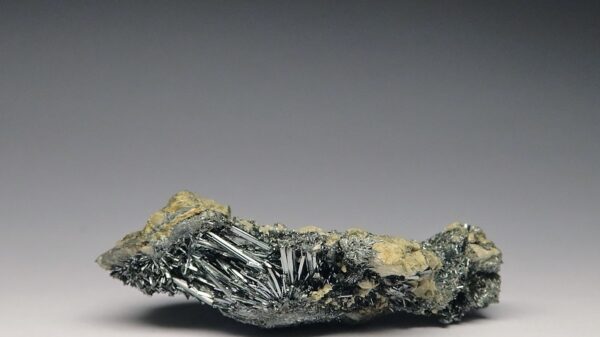
The McDermitt Caldera sits near the Oregon-Nevada border. Consequently, both states now face parallel questions about land use, energy policy, and rural consent. Scientists continue studying the deposit. One recent paper published in Minerals reported unusually high lithium concentrations within the clay sediments.
Analysts say successful extraction could elevate the United States among top global lithium suppliers. However, they caution that efficiency and environmental safeguards remain unproven at scale. As exploration advances, community meetings have grown more heated. Meanwhile, residents question how much influence they truly hold.
Mining companies say they will incorporate feedback. Conversely, critics argue that consultation without veto power offers little protection.
The debate now reflects competing visions of progress. Some see lithium as essential to a cleaner future. Others see a risk of repeating old extraction mistakes under a green banner. Meanwhile, the global lithium market is showing signs of oversupply after years of aggressive expansion.
Producers in Australia, South America, and China brought new capacity online faster than demand growth materialized. Consequently, lithium prices have fallen sharply from recent peaks, pressuring margins across the sector. Additionally, battery makers have delayed some contracts as inventories swell. However, analysts caution the downturn may prove cyclical rather than structural.
Electric vehicle adoption continues rising, and energy storage projects keep expanding. Furthermore, many forecasts suggest current excess supply could tighten later this decade as demand accelerates again.
.