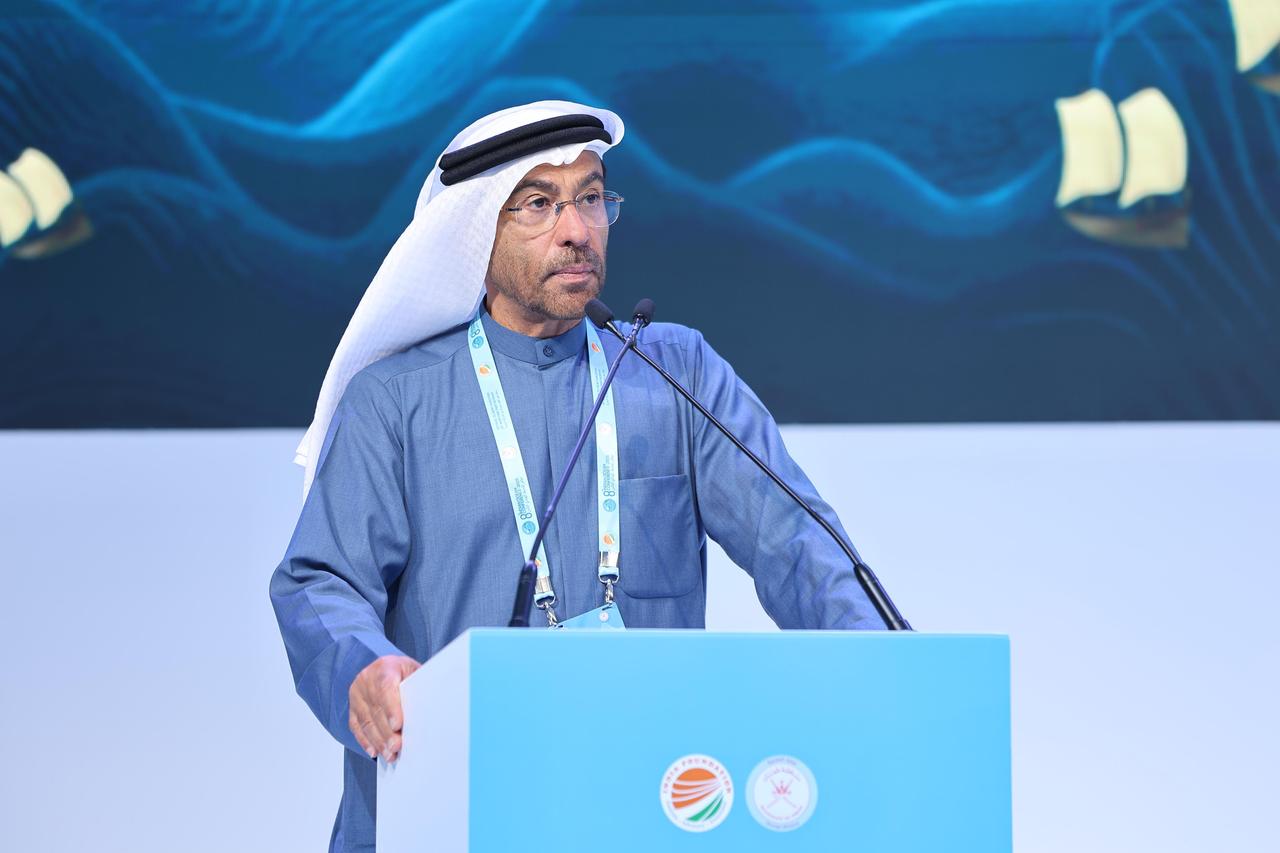

The United Arab Emirates is poised to revolutionize its healthcare landscape with the introduction of a nationwide mandatory early cancer screening program, as announced by state health minister Ahmed Ali Al Sayegh. The news emerged in a report from the nation’s oldest English daily news outlet, the Khaleej Times, on Jan. 7.
This proposed initiative aims to enhance preventive care by integrating screenings into health insurance policies, thereby ensuring no additional financial burden on residents. Key cancers targeted include breast, colorectal, cervical, and notably, lung cancer. These examinations will be performed alongside screenings for chronic conditions like diabetes and cardiovascular diseases.
Drawing from successful models like Abu Dhabi’s ‘Ifhas’ program, which provides comprehensive screenings for citizens starting at age 18 every two to three years (or sooner based on individual risk factors), the federal expansion will standardize preventive measures across the country.
The Emirates Health Services’ ‘Itmi’nan’ program already offers periodic checks for non-communicable diseases, including some cancers, and this will be broadened. Advanced technologies such as liquid biopsies, genetic testing, AI-supported imaging, and the National Genome Programme will enable personalized, risk-based screenings, improving accuracy and early intervention.
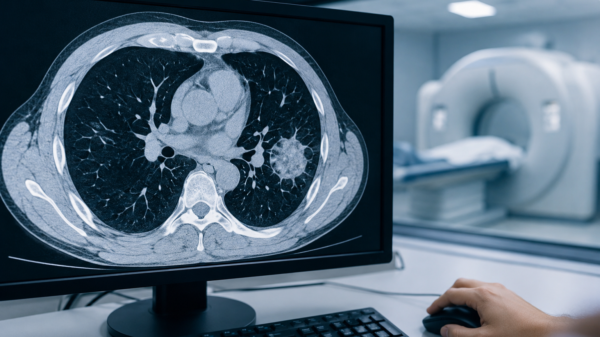
Officials emphasize that early detection can significantly boost survival rates and reduce the economic and emotional toll of late-stage diagnoses. Focusing on lung cancer, which is among the leading causes of cancer-related deaths globally, this shift promises substantial impacts in the UAE.
Currently, lung cancer screening often relies on voluntary participation, leading to lower uptake and delayed diagnoses. It can be inferred that the mandatory approach will mandate low-dose computed tomography scans for at-risk individuals like smokers or those with environmental exposures, making it a standard facet of routine healthcare.
Read more: Prestigious medtech intelligence firm recognizes Breath Diagnostics for innovation
A more aggressive stance on limiting healthcare burdens
For the UAE’s population, this means broader access, potentially increasing detection rates by making screenings a standard requirement rather than an option.
Work is already underway to federalize and activate this mandate, with implementation expected in the near future. No exact date has been specified, but it could possibly take effect within the next 1-2 years based on ongoing coordination and efforts.
For those with medical insurance in the UAE, the changes are particularly beneficial. Screenings will be fully covered under existing policies, eliminating out-of-pocket costs and encouraging compliance.
This equity-focused model ensures that insured residents, who form a significant portion of the population, face no barriers. It aims to foster higher participation and earlier interventions for lung and other cancers.
Domestic impact on world’s deadliest cancer could be significant
To summarize, the UAE’s pending approach stands out for its mandatory, insurance-linked framework, contrasting with more targeted, voluntary programs in countries like Canada and the United States. In the U.S., the United States Preventive Services Taskforce recommends annual low-dose CT screenings for adults aged 50-80 with a 20 pack-year smoking history (current smokers or those who quit within 15 years), but it’s not mandatory and depends on individual initiative.
Innovative American companies like Breath Diagnostics are also advancing non-invasive alternatives, such as its OneBreath technology. OneBreath detects lung cancer through breath analysis with high sensitivity and specificity, potentially offering less invasive options for high-risk groups.
Similarly, Canada’s guidelines, via the Canadian Task Force on Preventive Healthcare, suggest annual screenings for high-risk adults aged 55-74 with a 30 pack-year history, emphasizing evidence-based but optional participation.
While these nations focus on high-risk groups with proven efficacy, the UAE’s universal mandate could achieve higher coverage rates, potentially surpassing North American models in preventive reach for lung cancer, especially in a diverse population with varying risk factors. This proactive stance could potentially set a global benchmark for equitable cancer care.
Read more: Breath Diagnostics completes install of advanced mass spectrometry system
Follow Rowan Dunne on LinkedIn
rowan@mugglehead.com