
TeraWulf Inc. (NASDAQ: WULF) is expanding its digital infrastructure footprint after acquiring two large brownfield energy sites in Kentucky and Maryland.
The company said on Wednesday that the deals add roughly 1.5 gigawatts of power capacity to its portfolio. Additionally, the sites give TeraWulf immediate access to grid-connected electricity and long-term expansion options.
TeraWulf focuses on energy-backed data infrastructure for high-performance computing and bitcoin mining. The new assets support that strategy by pairing computing sites with existing industrial power systems. Consequently, the company can scale faster than projects built on undeveloped land.
One site sits in Hawesville, Kentucky, at a former industrial property along the Ohio River. The property includes more than 250 acres that can host computing facilities. Additionally, it connects directly to the regional transmission network.
The Hawesville location already offers about 480 megawatts of available power. That capacity comes from multiple high-voltage transmission lines and an on-site substation. Furthermore, the substation is already energized and operational.
TeraWulf plans to develop the Kentucky site in phases rather than all at once. This approach allows construction to track customer demand more closely. Consequently, the company avoids building unused capacity too early.
The company described Hawesville as a critical node within the local power grid. Onsite electricity consumption can help stabilize system operations. Additionally, large steady loads can help spread infrastructure costs across more users.
Hawesville’s location offers logistical advantages for data-intensive operations. The site sits within 300 miles of several major Midwest cities. Meanwhile, proximity to population centers supports lower data transmission delays.
Read more: U.K. crypto adoption stalls as major banks tighten transfer limits
Read more: Ethereum Foundation elevates post-quantum security as quantum timelines accelerate
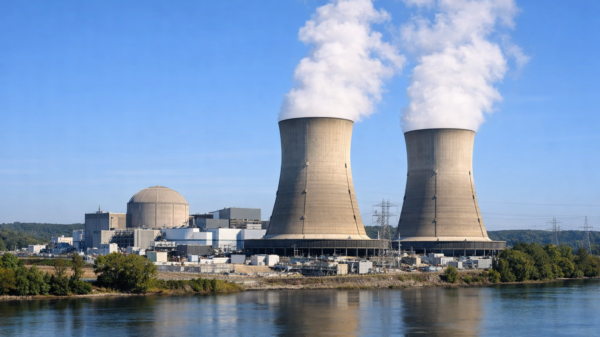
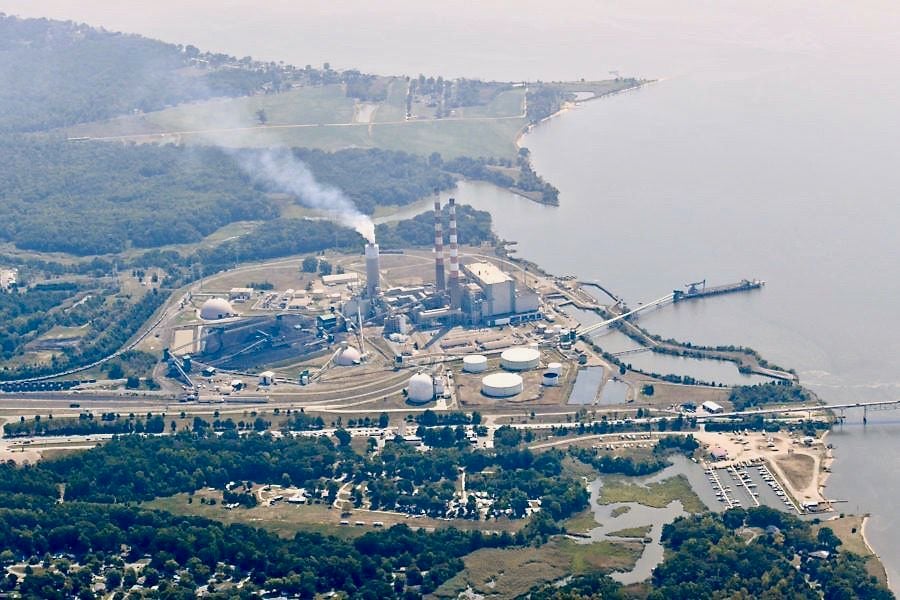
TeraWulf purchased generation station in Maryland
Kentucky also provides access to competitive wholesale electricity markets. Lower power costs remain a key factor for energy-intensive computing. Furthermore, the existing industrial footprint reduces redevelopment timelines.
Local officials expect redevelopment to generate economic benefits. Construction activity should increase near-term employment. Additionally, long-term operations may support skilled technical jobs.
The project could also expand the local tax base. In addition, workforce training programs may follow site development. TeraWulf said targeted infrastructure upgrades could accompany the buildout.
The second acquisition sits in Charles County, Maryland. There, TeraWulf purchased the Morgantown Generating Station. The facility already produces electricity for the regional grid.
Morgantown currently operates with about 210 megawatts of generation capacity. However, the site includes infrastructure capable of supporting far more power. The company believes total capacity could eventually reach 1 gigawatt.
This deal places TeraWulf directly into the PJM wholesale power market. PJM coordinates electricity movement across much of the eastern United States.
Consequently, the acquisition expands the company’s geographic and market exposure. The Maryland facility spans roughly 250 buildable acres. That space allows new generation and computing facilities over time. Additionally, existing transmission equipment reduces initial development hurdles.
TeraWulf plans to expand Morgantown incrementally. The company is considering an initial buildout of roughly 500 megawatts. Subsequently, later phases could follow as demand increases.
Management said the development plan aims to keep the site energy-positive. Future computing loads would pair with new generation capacity. Additionally, battery storage could help balance supply and demand.
Morgantown already supplies power to the grid today. That immediate contribution differentiates it from greenfield projects. Meanwhile, upgrades could modernize aging infrastructure.
Read more: Coinbase pushback puts US crypto market-structure bill at risk
Read more: British Columbia launches competitive power bids as AI demand strains electricity grid
Both deals are reinventments in legacy assets
The site’s proximity to Washington, D.C. adds strategic value. Large enterprise customers often require reliable power near population centers. Furthermore, land constraints closer to major cities make Morgantown more attractive.
The company emphasized coordination with state and local stakeholders. Environmental mitigation and remediation remain part of the plan. Additionally, TeraWulf intends to preserve the site’s industrial role.
Existing buildings and grid connections shorten redevelopment schedules. That advantage reduces permitting and construction delays. Consequently, the company can respond faster to market demand.
The Morgantown transaction still requires regulatory approvals. These include consent from the Federal Energy Regulatory Commission. However, TeraWulf expects a standard review process.
Company leadership framed both deals as reinvestments in legacy assets. Management said the strategy supports grid reliability and economic growth. Additionally, repurposing older sites avoids new land disturbance.
Chief executive Paul Prager said the two locations serve different needs. Kentucky offers immediate scalable power access. Maryland allows expansion of existing generation near major markets.
Prager described the approach as power-forward rather than compute-first. Electricity availability often limits data center development. Consequently, owning energy assets reduces execution risk.
Regional diversity also plays a role in the strategy. Weather, permitting, and policy conditions vary widely by state. Furthermore, grid congestion affects some markets more than others.
By spreading assets across regions, TeraWulf aims to manage those risks. The company believes diversification improves long-term resilience. Additionally, it allows capital deployment where conditions are most favorable.
The two new sites expand TeraWulf’s overall infrastructure portfolio. The company now controls roughly 2.8 gigawatts across five locations. That total includes both operating capacity and future pipeline projects.
Read more: Quantum computing revives debate over Bitcoin’s long-term security
Read more: Judge keeps insider trading claims alive against Coinbase board
Bitcoin mining demands large-scale energy access
TeraWulf reported 642.5 megawatts of contracted capacity. In addition, it holds about 2.2 gigawatts of owned pipeline capacity. Those figures reflect both computing and power assets.
Management targets 250 to 500 megawatts of new contracted capacity each year. The pace depends on customer demand and grid conditions. Consequently, growth remains disciplined rather than speculative.
The company positions its facilities for artificial intelligence workloads. High-performance computing requires stable, high-density power. Additionally, bitcoin mining continues to demand large-scale energy access. TeraWulf markets its sites as sustainable industrial infrastructure.
The company emphasizes energy efficiency and grid support. Furthermore, it promotes redevelopment over new construction.
Both acquisitions involve former industrial or energy properties. Such sites often carry existing environmental approvals. However, remediation work may still be required.
TeraWulf said it will invest in modern generation and storage technologies. These upgrades could improve efficiency and emissions profiles. Additionally, battery systems can enhance grid stability.
The company operates from a U.S.-based infrastructure model. That focus appeals to customers seeking domestic capacity. Meanwhile, regulatory clarity remains stronger within U.S. markets.
TeraWulf’s leadership team includes veterans of energy infrastructure development. Their experience spans power generation, transmission, and industrial projects. Consequently, the company emphasizes execution over experimentation.
The Kentucky and Maryland assets reflect that philosophy. Both rely on existing power systems rather than untested builds. Additionally, each site offers long-term expansion without immediate overbuild.
As demand for computing power rises, energy access remains decisive. Data centers increasingly compete with communities for electricity. Therefore, grid-integrated projects may gain an advantage.
.
joseph@mugglehead.com