TC Energy advances Coastal GasLink Phase 2 after LNG Canada FID
LNG Canada will manage construction under the commercial agreements, with work expected to start in early 2027.
 Ines Halvorsen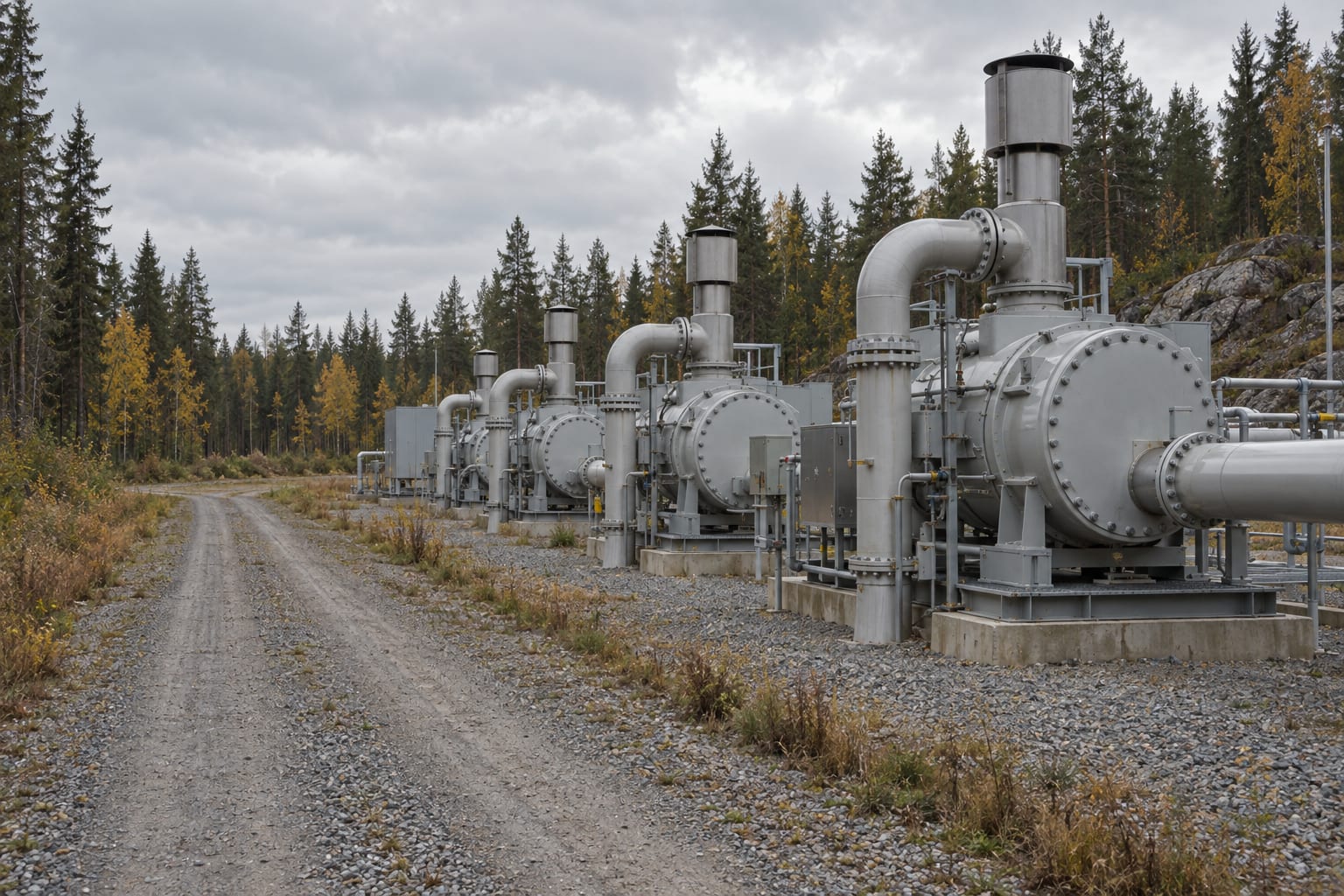
On Sept. 29, Phase 2 of Coastal GasLink, a pipeline currently transporting approximately 2.1 billion cubic feet of gas a day, moved ahead, TC Energy Corporation TSETRP NYSETRP said after LNG Canada's final investment decision. As of Sept. 29, TC Energy owns 35 per cent of the pipeline partnership, while its March 25 agreements limit CGL's capital commitments. LNG Canada will manage construction under those agreements; TC Energy's March 25 and Sept. 29 statements do not give their duration.
The TSETRP quote showed a Sept. 28 close of C$83.15 in Toronto as of 4 p.m. EDT, before the Sept. 29 decision could be reflected in trading. TC Energy's Sept. 29 release gives no estimate of earnings from Phase 2.
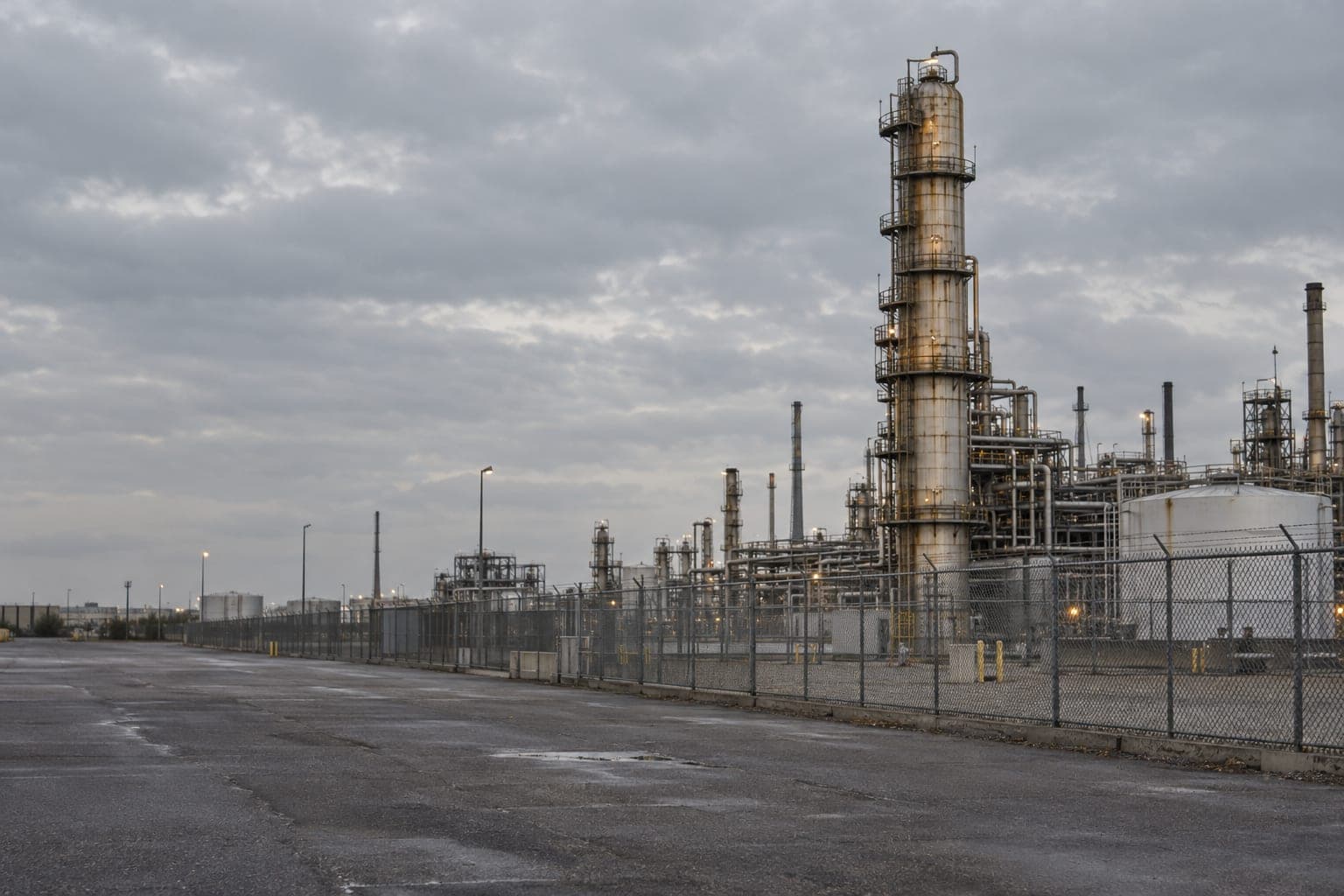
LNG Canada's decision satisfies the conditions associated with TC Energy's previously approved conditional final investment decision, according to the Sept. 29 release. TC Energy expects Phase 2 to nearly double Coastal GasLink's existing capacity. The work calls for new compressor stations and upgrades along the existing route between northeastern British Columbia and the LNG Canada liquefaction facility at Kitimat, without a new pipeline.
TC Energy expects construction to begin in early 2027 and the expanded system to enter service in the early 2030s. Those dates are company targets, and its Sept. 29 release gives no order or delivery date for the compressors that would provide the additional pressure.
"Coastal GasLink pipeline was a nation-building project that established Canada’s first direct path for natural gas to reach global LNG markets and Phase 2 is building on that legacy," TC Energy chief executive François Poirier said in the Sept. 29 release.
Compressor Work Follows the Existing Route
The existing pipeline runs 670 kilometres from Dawson Creek to Kitimat, according to TC Energy's Sept. 29 release. That release describes compressor additions and facility upgrades, but gives neither a firm post-upgrade capacity nor a contracted-volume figure.
Under the construction arrangement, LNG Canada acts as Phase 2 execution manager. CGL remains the owner, operator and permit holder of the pipeline and its associated facilities, while CGL and TC Energy provide technical advice, procurement services and operating support. The Sept. 29 release does not name an equipment supplier or give a compressor shipment schedule.
Read more: CBRE Group signs five-year deal to operate Fermi data centre
When the parties announced their commercial framework on March 25, they said they would refine cost and schedule estimates. TC Energy's March 25 and Sept. 29 statements give no total Phase 2 budget or dollar limit for CGL's commitments; they describe limits on capital commitments and construction risks. The company's 35 per cent interest identifies its partnership stake, not what it will spend on Phase 2.
The company estimates that Phase 2 could employ up to 2,100 people at peak construction across five sites. It also says long-term agreements with 20 elected Indigenous communities along the route remain in place. Neither figure is an amount of revenue or a capital commitment for TC Energy's shareholders.
The next stated milestone is the expected start of construction in early 2027.