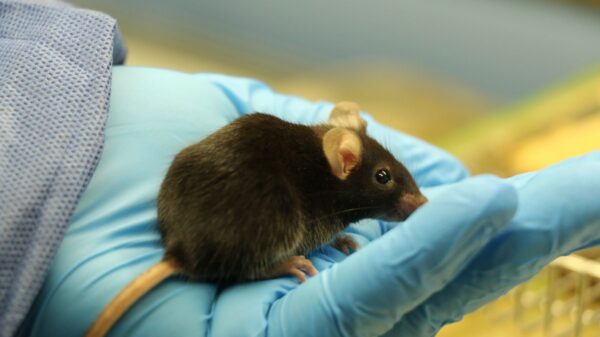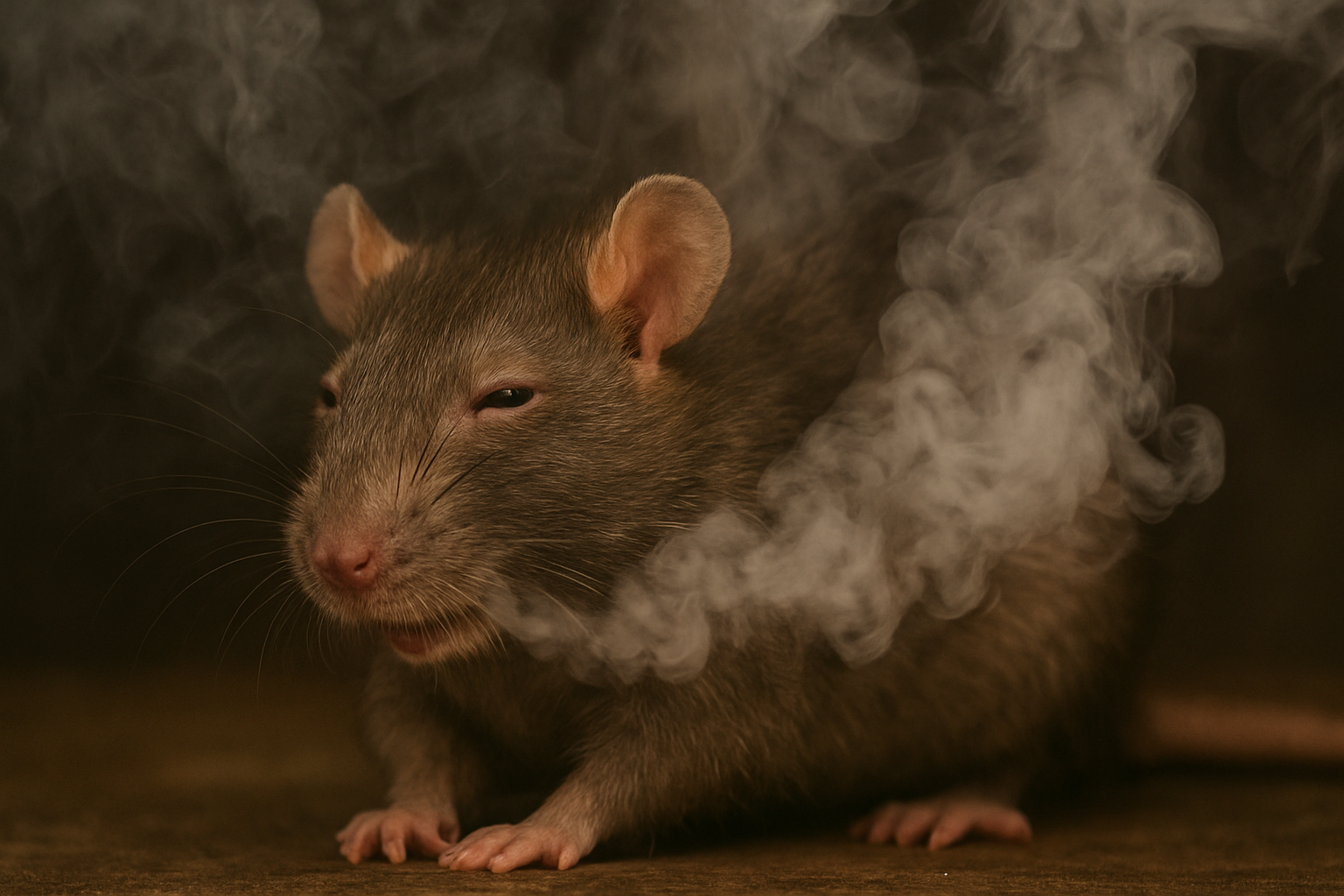

Researchers have discovered that rats with high stress levels are more likely to indulge in cannabis than calm and collected rodents.
A team of neuroscience scholars from Washington State University and the University of Calgary published a study in the Nature journal Neuropsychopharmacology detailing this discovery last month. “Identifying behavioral and biological predictors of cannabis vapor self-administration in rats” was the name of their article.
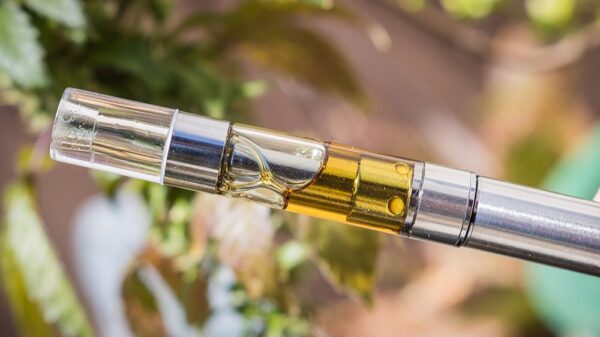
“We employed a rat model of cannabis vapour self-administration that uses whole-plant cannabis extract and mimics the intrapulmonary route of intake typically used in humans,” they described.
In a controlled environment, the authors gave a group of 48 rats the option to self-administer marijuana by sticking their noses into a chamber where a three-second burst of vaporized THC would enter their nostrils. They observed them daily for a three-week period.
“We ran rats through this extensive battery of behavioural and biological tests,” said co-author Ryan McLaughlin, “and what we found was that when we look at all of these different factors and all the variables that we measured, stress levels seem to matter the most when it comes to cannabis use.”
The investigators tallied the number of nose pokes per day and determined that rodents with higher levels of the stress hormone corticosterone were choosing to get high more frequently. Corticosterone is to rats what the stress hormone cortisol is to human beings.
“If you want to really boil it down, there are baseline levels of stress hormones that can predict rates of cannabis self-administration, and I think that only makes sense given that the most common reason that people habitually use cannabis is to cope with stress,” McLaughlin added.
This is not the first time scholars from these institutions have investigated the impact cannabis has on rodents. In previous years, research from McLaughlin’s laboratory at Washington State and Matthew Hill’s lab at U of C have completed a series of studies examining the impact of vaporized weed on rats.
Notably, in 2018, McLaughlin and WSU researchers examined the impact of exposing a pregnant female to cannabis vapor and the cognitive effects it had on her offspring. They determined that the rats exposed in utero had more difficulty performing certain tasks once they had matured.
New very cool paper from @RyanMcPickle, collaborating with our group on establishing predictors of cannabis self administration in rats.
What comes out on top……baseline stress hormone levels and performance in tasks of behavioral flexibility. https://t.co/3GKX5ZRAqb
— Matt Hill (@canna_brain) November 28, 2025
Read more: Oregon scientists designate cheesy poo as cannabis aroma category
Follow Rowan Dunne on LinkedIn
rowan@mugglehead.com